
Top Outdoor Living Designers in Southern California: What Sets the Best Apart
Southern California outdoor living design requires more than attractive patios or appealing landscaping. The region’s climate, lifestyle expectations, and architectural traditions create unique requirements that distinguish truly capable designers from those applying generic approaches without accounting for local conditions.
Designers considered top-tier in Southern California consistently balance climate-responsive planning, architectural integration, and construction coordination to create outdoor spaces that function as genuine extensions of the home rather than decorative afterthoughts. These spaces support daily use throughout most of the year, accommodate entertaining and family activities, and maintain performance through sun exposure, occasional rain, and temperature variations.
For homeowners researching outdoor living space designers near them, understanding what separates thoughtful, regionally appropriate design from generic outdoor features helps identify firms capable of creating spaces that enhance daily life for decades.
What Defines Top Outdoor Living Designers in Southern California
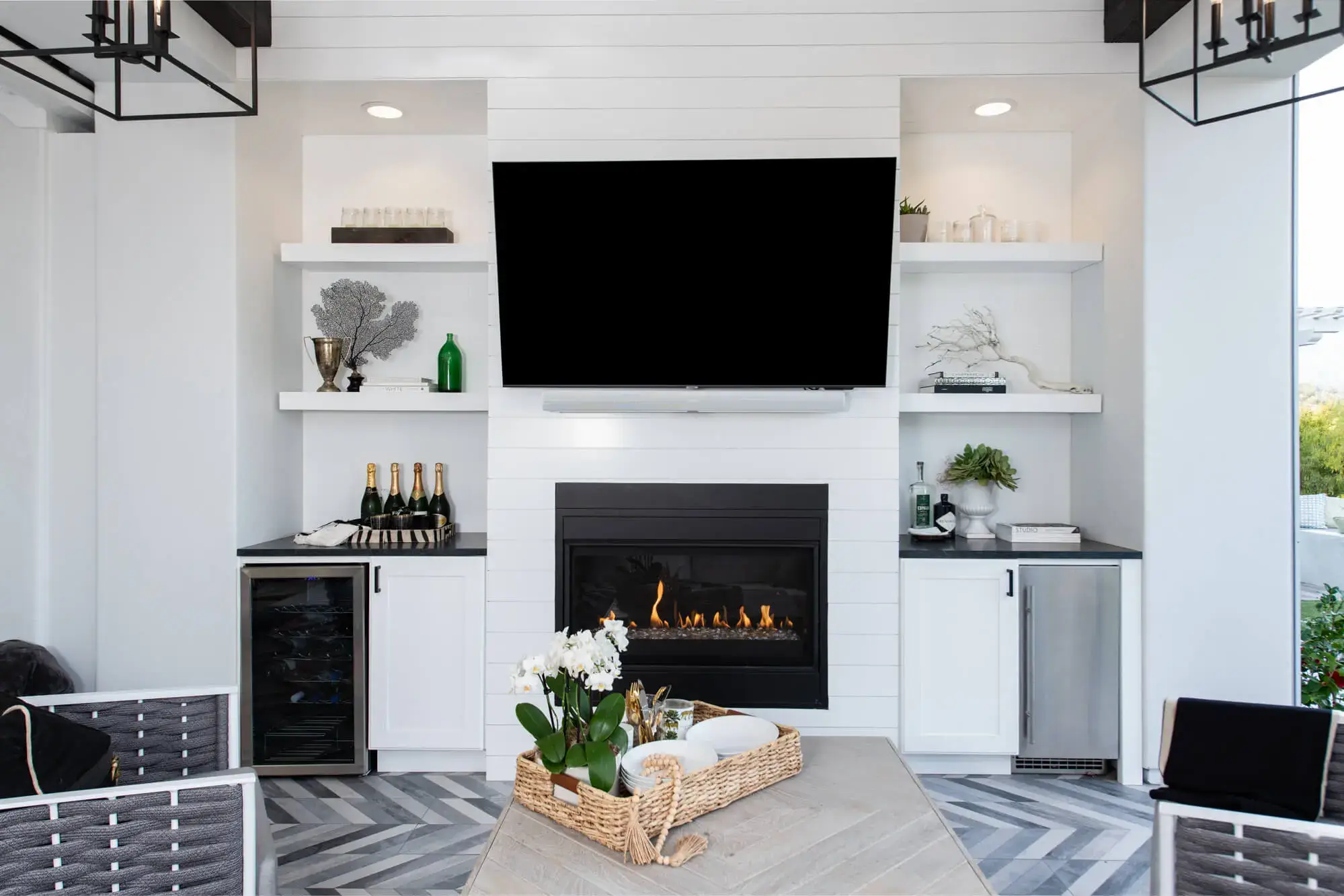
In Southern California, excellence in outdoor living design is defined less by style and more by performance over time.
Top designers approach outdoor living as integrated home design rather than landscape decoration. They consider circulation patterns, material durability, maintenance realities, and how spaces will function during different times of day and seasons of the year.
Outdoor living designs often appear deceptively simple because all the complexity has been resolved during planning rather than creating visible compromises or awkward details after construction.
Architectural Integration and Indoor-Outdoor Flow
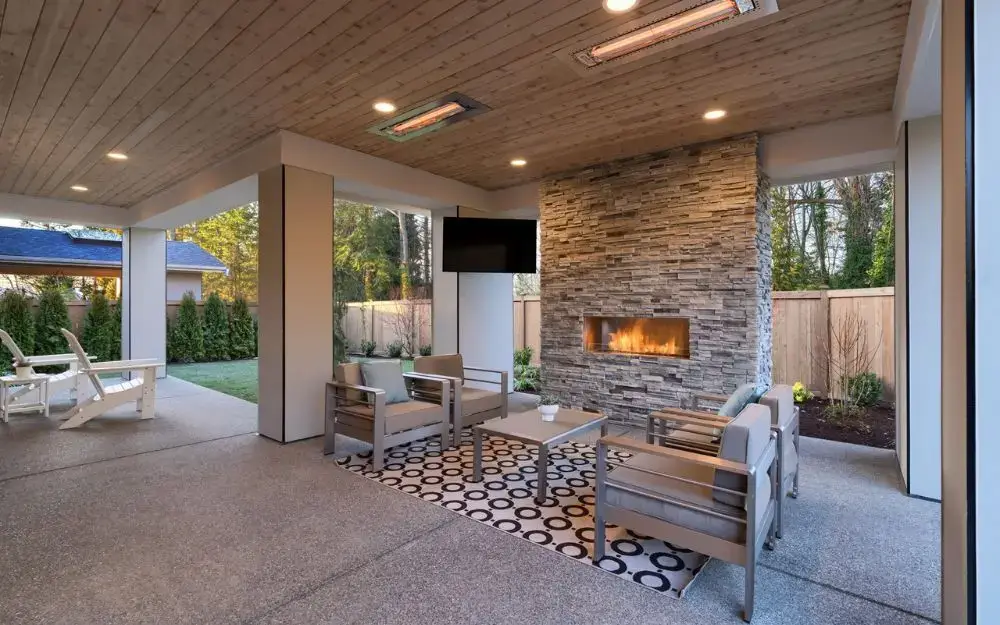
The best outdoor living spaces feel like natural extensions of interior architecture rather than separate features added without consideration of how they relate to the home’s design language and functional organization.
Door and window placement significantly affects indoor-outdoor relationships. Large openings create visual and physical connections, while thoughtful alignment between interior and exterior spaces supports natural circulation patterns and sightline continuity.
Material continuity across thresholds strengthens architectural integration. When exterior paving relates thoughtfully to interior flooring through color, scale, or pattern, the transition feels intentional rather than abrupt. Roof forms, window proportions, and architectural details should inform outdoor structure design.
The Design-Build Advantage for Outdoor Living Projects
Outdoor living projects involve multiple disciplines, such as architecture, structural engineering, landscape design, utilities, hardscape construction, and finish installation. Coordinating these elements determines whether design intent translates successfully into built reality.

Design-build approaches integrate all these disciplines under unified project management. Design decisions account for construction requirements from the start. Installation teams understand design intent and work from complete documentation.
This integration particularly benefits outdoor living projects where architectural structures, utility systems, site grading, and finish work must align precisely.
Why Coordination Matters from Concept Through Construction
Outdoor living projects require early coordination between multiple technical disciplines. When these relationships get resolved during design while flexibility remains, solutions emerge naturally. When conflicts surface during construction after commitments are made, solutions become compromises limiting performance or requiring expensive changes.
Technical Elements Requiring Early Integration
Covered structures involve foundation design, structural engineering, roof framing, drainage integration, and finish coordination with existing architecture.
Outdoor kitchens require gas lines, electrical service, water supply and drainage, proper ventilation, and equipment specifications coordinating with counter layouts and cabinet design.
Fire features involve gas lines or wood storage, structural footings, clearances to combustible materials, and integration with seating layouts.
Site grading and drainage affect everything else—where water flows, what grades are possible, how structures relate to existing topography.
Key Elements of Functional Outdoor Living Spaces
Completed outdoor living projects demonstrating thoughtful design typically include several key elements working together to create comfortable, usable spaces supporting various activities and accommodating different times of day and seasons of use.
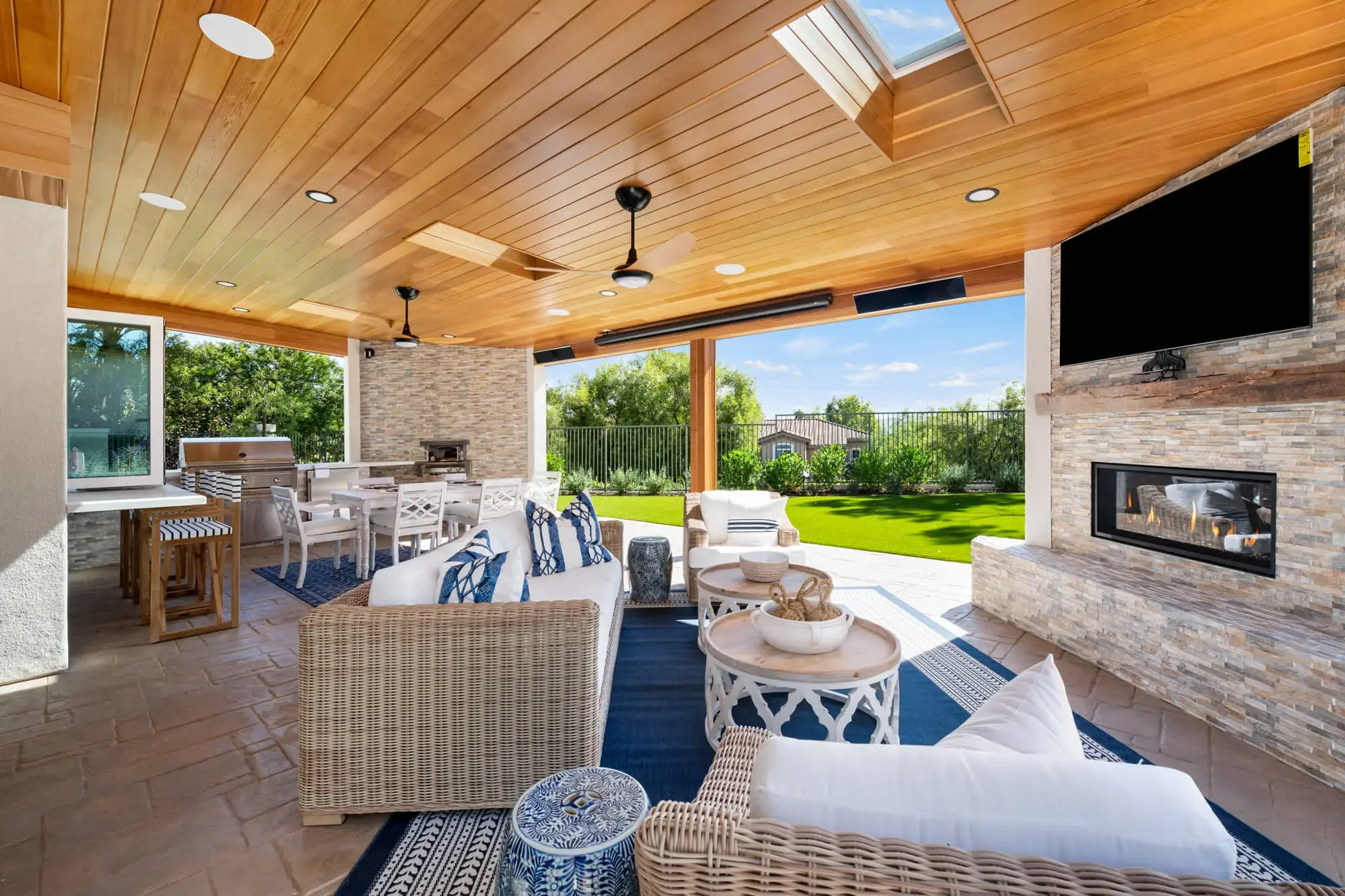
View examples of completed outdoor living projects to see how these elements integrate in actual Orange County homes across different architectural styles and site conditions.
Covered Structures and Weather Protection
Covered patios, pergolas, and shade structures transform outdoor spaces from fair-weather amenities into areas supporting extended use throughout most of the year. These structures provide protection from intense sun during summer afternoons, create defined outdoor rooms with spatial clarity, and offer shelter during occasional rain.
Ceiling fans integrated into covered structures improve comfort during warm weather. Heating elements extend usability into cooler evenings and winter months. Lighting integrated into structure design provides illumination without requiring separate post-construction additions.
Outdoor Kitchens Designed for Real Cooking
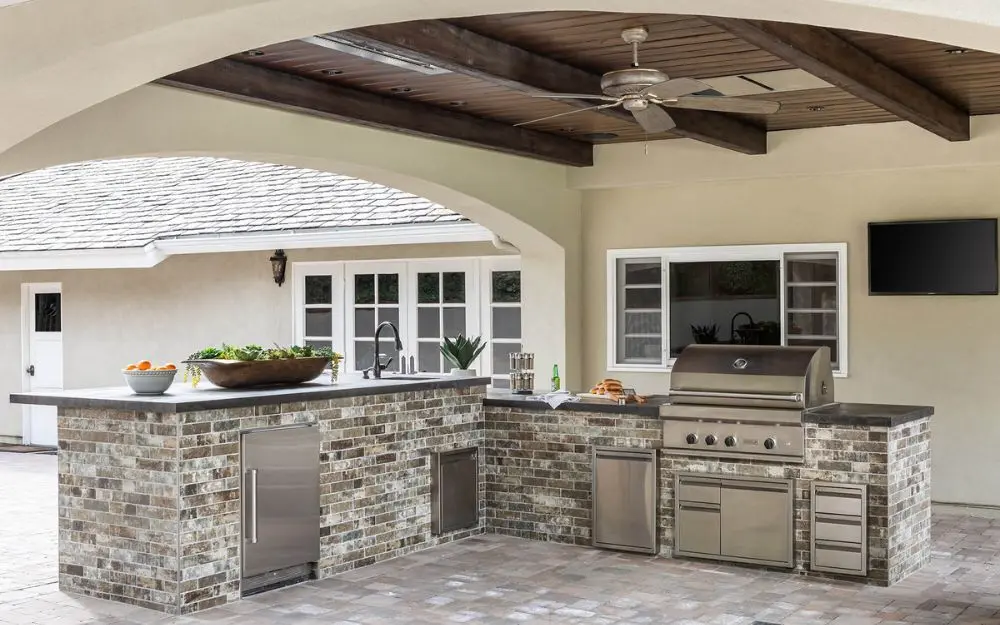
Outdoor kitchens supporting actual cooking require thoughtful equipment selection, adequate counter space, proper utility coordination, and layouts facilitating meal preparation rather than just grilling.
Built-in grills, side burners, refrigeration, and storage should coordinate functionally rather than being positioned based solely on symmetrical appearance. Weather protection through overhead structures keeps equipment and counters dry during rain while providing shade during use.
Fire Features and Comfortable Gathering Areas
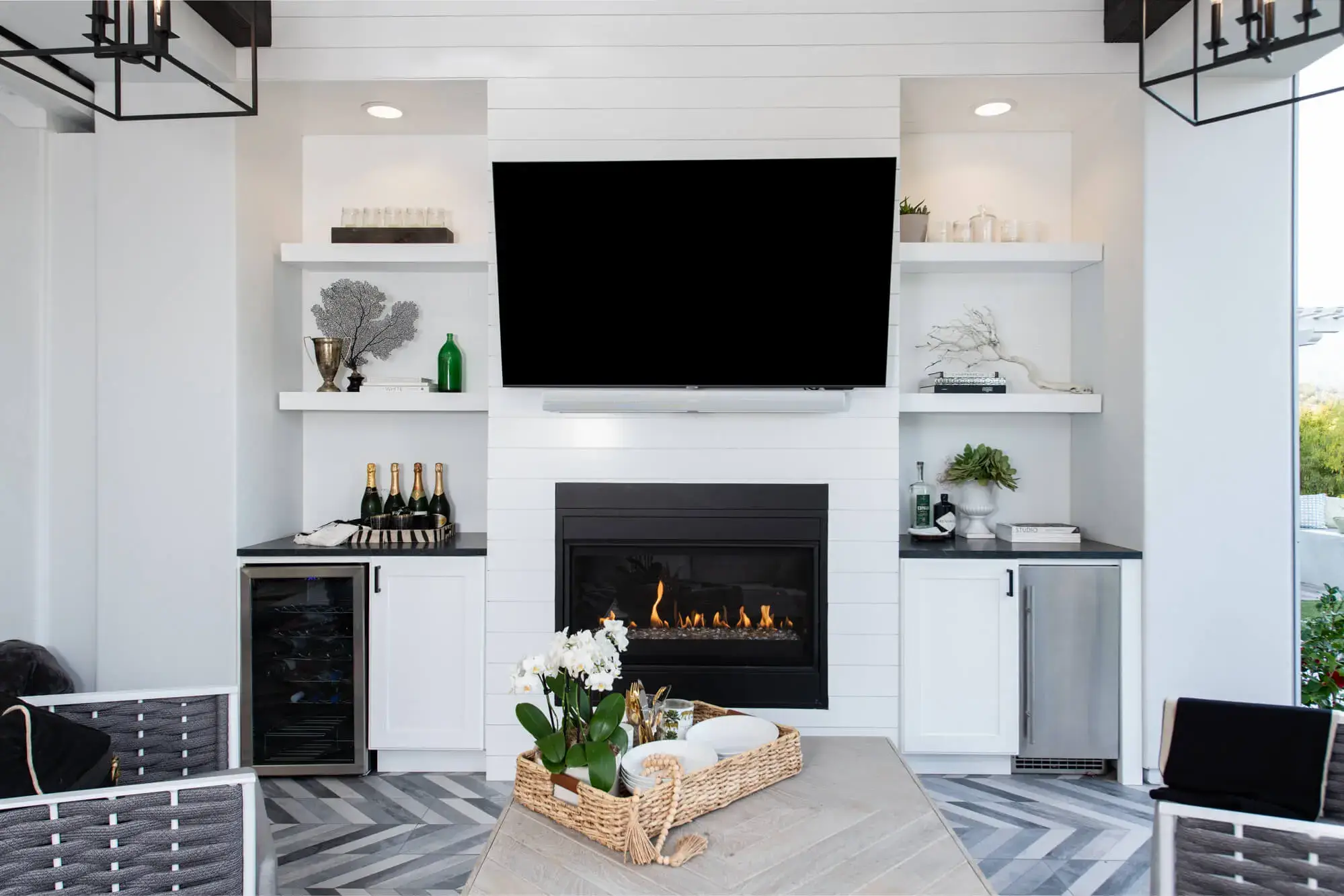
Fire features serve multiple purposes in Southern California outdoor living—providing focal points, generating radiant warmth during cooler weather, and creating natural gathering spots for conversation and relaxation.
Gas fire pits and fireplaces offer convenience and clean burning without ash management. Wood-burning options provide traditional ambiance and higher heat output but require storage and more careful positioning.
Seating arrangements should respond to fire feature locations, placing comfortable chairs and benches at appropriate distances for warmth without excessive heat exposure.
Lighting for Safety, Function, and Atmosphere
Outdoor lighting serves multiple purposes. Pathway and step lighting provides safety illumination. Task lighting serves outdoor kitchens and dining areas. Ambient lighting creates atmosphere and highlights architectural or landscape features.
Layered lighting combining these purposes creates more functional and appealing outdoor environments. According to the US Green Building Council, energy-efficient LED lighting and thoughtful controls reduce energy consumption while providing superior performance.
Control systems allowing scenes for different uses provide flexibility supporting how outdoor spaces actually get used.
Material Selection for Long-Term Performance
Material durability determines whether outdoor living spaces maintain appearance and function over decades or require replacement shortly after installation. Selections should account for environmental exposure, maintenance realities, and long-term performance.
Coastal Environment Considerations
Coastal proximity creates specific material challenges requiring upgraded specifications. Metal components require stainless steel or specially coated specifications preventing corrosion. Wood species selection and finish protection matter significantly near the coast.
Fabric selections for cushions and shade structures should specify solution-dyed acrylics or other materials resisting UV degradation, mildew, and salt air effects.
Heat and UV Exposure Inland
Inland areas experience more intense UV exposure and greater temperature extremes. Materials must accommodate thermal movement, maintain color stability, and withstand repeated heating and cooling cycles.
Paving materials should specify thermal performance appropriate for sun exposure patterns. UV-resistant finishes maintain color stability and prevent deterioration from sun exposure.
Sustainable and Low-Maintenance Options
Long-term sustainability includes both environmental considerations and practical maintenance realities. Permeable paving options reduce runoff while providing durable surfaces. Recycled content materials offer environmental benefits.
Low-maintenance approaches include properly specified materials resisting staining and weathering, efficient irrigation systems, and planting strategies requiring less intervention. The National Association of the Remodeling Industry emphasizes that sustainable design considers both initial installation and long-term performance.
Seeing Materials in Person Before You Decide
Because outdoor materials perform differently depending on location, exposure, and use, evaluating them in person can clarify how finishes, textures, and colors will age over time. Visiting a showroom allows homeowners to compare exterior materials side by side, understand performance differences, and make informed decisions grounded in long-term expectations rather than photos alone.
At Sea Pointe Design & Remodel, the showroom experience supports outdoor living projects by helping homeowners explore material options appropriate for Southern California conditions before construction begins.
Sea Pointe’s Approach to Southern California Outdoor Living

Sea Pointe Design & Remodel approaches outdoor living as integrated home design rather than landscape decoration. Since 1986, the firm has completed outdoor living projects throughout Orange County, developing a deep understanding of regional conditions, material performance, and how outdoor spaces relate to interior living areas.
The design-build approach coordinates architecture, structural elements, utility systems, and finish work under unified project management. Outdoor living spaces designed by Sea Pointe emphasize year-round usability, thoughtful material specifications for long-term performance, and seamless integration with interior architecture.
Four Decades of Regional Experience
Operating continuously in Orange County since 1986 provides perspective on what works and how materials perform over extended periods under actual Southern California conditions. Experience with diverse property types—coastal, inland, hillside, flat terrain—creates understanding of how environmental conditions vary across the region.
Integration with Whole-Home Remodeling
Outdoor living projects often occur alongside interior remodeling, creating opportunities for superior integration. Whole-home remodels incorporating outdoor spaces can establish architectural continuity, coordinate door and window placement for optimal indoor-outdoor relationships, and ensure utility systems serve both interior and exterior areas efficiently.
Understanding home remodeling services that include outdoor living alongside interior work helps homeowners evaluate comprehensive approaches.
How to Evaluate Outdoor Living Space Designers Near You
For homeowners researching outdoor living space designers near them, several considerations help identify firms capable of delivering regionally appropriate, well-executed projects.
Completed projects provide better insight than renderings or promises. Understanding who manages construction determines whether design intent translates accurately. Regional experience matters significantly for outdoor living projects where material performance and climate considerations affect outcomes substantially.
Questions to Ask Before Hiring
When evaluating outdoor living designers, consider asking:
- Can you show completed projects rather than only renderings?
- How do you specify materials for coastal versus inland locations?
- Who manages construction, and what is your relationship with installation teams?
- How do you integrate outdoor spaces with interior architecture?
- What maintenance should I expect with proposed materials?
Red Flags and What to Look For
Warning signs: inability to show completed local projects, generic designs not accounting for regional conditions, separation between design and construction management, material selections without discussion of long-term performance.
Positive indicators: portfolio of completed Southern California projects, discussion of regional climate and material considerations, integrated design-build approach, realistic timeline and budget expectations.
Explore remodeling resources to learn more about evaluating designers and understanding the outdoor living design process.
What does an outdoor living space designer do?
An outdoor living space designer plans patios, outdoor kitchens, covered structures, fire features, and related elements functioning as usable living areas. In Southern California, this includes coordination of materials, shade strategies, lighting, utility systems, and construction details supporting year-round use.
How do I find outdoor living space designers near me?
Review completed local projects and look for designers with substantial Southern California experience. Understanding regional climate conditions, material performance, and construction coordination specific to this area is essential.
What is the difference between a landscape designer and an outdoor living designer?
Landscape designers typically focus on planting and site aesthetics. Outdoor living designers plan functional spaces including patios, outdoor kitchens, and covered structures integrating with home architecture.
Is a design-build firm better for outdoor living projects?
Design-build firms manage both design and construction under unified leadership, reducing miscommunication and coordination delays. This integrated approach benefits outdoor living projects involving structures, utilities, and multiple technical disciplines.
Can outdoor living spaces be used year-round in Southern California?
Yes, with proper design. Shade structures provide summer comfort, heating elements extend use into cooler months, lighting supports evening activities, and weather-resistant materials withstand year-round exposure.
What should I consider for an outdoor kitchen?
Consider how you’ll actually use the space. For example, occasional grilling versus regular meal preparation affects equipment needs substantially. Adequate counter space, proper utility coordination, weather protection, and realistic maintenance expectations all factor into successful outdoor kitchen design.
For homeowners researching outdoor living space designers near them, Sea Pointe Design & Remodel has created outdoor living spaces throughout Orange County since 1986. Our design-build approach integrates architecture, materials, and construction coordination to deliver outdoor areas functioning as genuine home extensions supporting year-round use and long-term satisfaction. Contact Sea Pointe to discuss your outdoor living goals.