SCHEDULE YOUR COMPLIMENTARY CONSULTATION

SCHEDULE YOUR CONSULTATION

"*" indicates required fields

This field is for validation purposes and should be left unchanged.
Optin

"*" indicates required fields

This field is for validation purposes and should be left unchanged.
Optin
Kitchen Remodel Guide:  Professional Design Details

Kitchen Remodel Guide: Professional Design Details

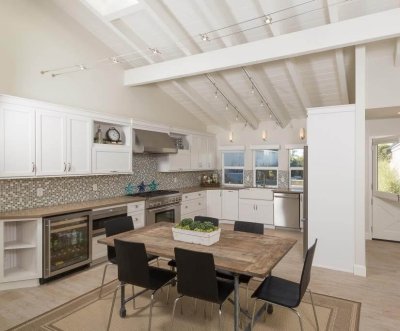
Kitchen Remodel Design DetailsSmall details can create extraordinary value in the design of a new kitchen or bath. When we meet with homeowners we want to know how they currently use their kitchen. We want to know if they entertain frequently, host family gatherings or cook regularly. We learn the style of furnishings, accessories, flooring and wall covers throughout the home to determine clients’ preferences. We gather as much information as we can to help us exceed our clients’ expectations.

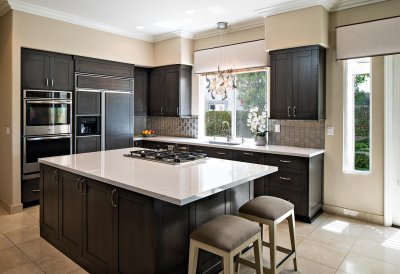
When we design a kitchen we divide the space into areas for food preparation, clean up, and if there is sufficient room, dining. Many of our clients want an island. They are great for food preparation, can double as a dining table and often serve as the focal point of a new kitchen.

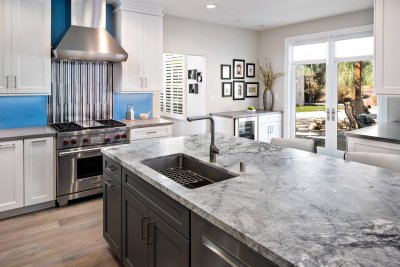
For our clients who entertain frequently we recommend placing a prep-sink in an island. The main sink, used for cleanup, should be placed in another location to prevent dirty pots, pans and dishes from piling up on the island. The location of the sink on the island depends on the island’s size. If the island is less than nine feet, we typically will place the sink at one end of the island to maximize the space for food preparation. Island sinks also need to account for the height of the faucet. The taller the faucet is, the more prevalent it becomes.

We create clean lines for contemporary kitchens by specifying panels for the dishwasher and refrigerator, locating the microwave either in a hidden cabinet or as a cut out in a base cabinet and specify pop up outlets that disappear into the countertop. Pop-ups also represent a great solution in areas where there are no wall cabinets to hide the plug molding strip.

If our clients tell us that a coffee maker, toaster or other small appliance will sit on a countertop, we locate an electrical outlet behind it. This helps to hide the electrical cord.

To create consistency of image, we will coordinate the colors of wall outlets and plug molding to complement the backsplash.

Lighting can make or break a space. Under-cabinet lighting illuminates the countertop making it easier to prep and cook meals. This is achieved by locating the light at the front of the cabinet. If the light is placed at the back of the cabinet, it will illuminate the backsplash instead.

LED lighting has made it easier to consistently illuminate cabinets. Placing LED strips on both sides of a cabinet will illuminate each shelf. On a framed cabinet, we place the strip behind the cabinet’s face frame. On frameless cabinets, the LED light strip is placed in a prepared groove on the sidewall of the cabinet. In both cases, the strip is hidden.

Other significant details that make a new kitchen more enjoyable include a divider in deeper base cabinets for pot lid storage, adding soap dispensers and an air switch to provide a clean look for counters and backsplashes and even countersinking the screw on a Lazy Susan cabinet to prevent a bi-fold door from scratching an adjacent cabinet.

Kitchens and baths are the most used rooms in a home. When a client partners with our showroom to create their dream space, we understand that the little details – often never considered – make all the difference.
 

Let's Discuss Your Next Project!

  • This field is for validation purposes and should be left unchanged.
  • We guarantee 100% privacy for all information!

Kitchen Remodel Guide: Professional Design Details was last modified: December 18th, 2025 by Smart Marketing
A Different Take on Countertops – Remodeling Design Guide

A Different Take on Countertops – Remodeling Design Guide

Countertop Design Guide

Most clients are familiar with common countertop materials such as marble, granite or quartz. However, those popular options by no means limit a palate or choices. Other popular countertop materials include;

Laminate (Formica, Wilsonart, Devmar and others)

Laminate is cost effective, comes in hundreds of colors and patterns and is easy to clean and maintain.

Wood (Butcher Block)

Wood is a living product that will change over time. Wood will show wear and tear, nicks and scratches; it is not heat resistant and needs to be sealed regularly. The attractiveness of wood is its ability to add character and warmth to a kitchen. Another advantage of wood is the range of available thicknesses and edges. Wood countertops should be viewed and used as a piece of fine furniture as opposed to a high-performance kitchen top solution. Designers often pair wood with other countertop materials.

Stainless Steel

Professional chefs gravitate to stainless steel, in part, because it is impervious to bacteria and heat. Stainless steel requires more maintenance than most other surfaces because of its propensity to scratch and show water spots and fingerprints. Stainless steel is often selected to create an industrial look or for those who want the look and feel of a commercial kitchen.

Recycled Glass

This green material is easy to clean and maintain, stain resistant, heat resistant, durable and strong. Each glass countertop is unique, providing a custom look. Recycled glass, despite its strength, can crack if not properly installed. Also, some designs easily show fingerprints and water spots.

Concrete

Concrete is extremely durable and is often custom formed in the kitchen or bath to fit any size, shape, texture or color desired. Concrete countertops need to be regularly sealed to prevent staining. Additionally, concrete tops can scratch and chip.

Solid Surface (Corian and Swanstone, among others)

Solid surfaces are made from acrylic, generally less expensive than stone or quartz and easy to clean and maintain. They come in rainbows of colors and the material is unique in that the seams can be invisible. Solid surface countertops can be damaged by heat and are susceptible to scratching.

Tile

Common countertop tiles are made from ceramic, glass, granite and porcelain. Tiles come in an endless array of styles, colors, shapes and textures and can be sized to fit any motif. Tile countertops tend to be labor intensive for installation and need to be sealed regularly to prevent damage to the grout. If you are interested in granite, marble, glass, porcelain or another type of natural stone, a way to reduce material cost is to select tile instead of slabs, but doing so will increase your installation and maintenance costs. While there may be cost saving advantages to go with tile over slabs, there are also huge performance differences. Slabs do not require grouting or feature grout lines. Plus, stone, quartz, marble and glass slabs last longer than tile alternatives.

Porcelain

Porcelain countertops are available in an endless array of colors, patterns and textures; they are easy to clean and heat resistant. Porcelain is also stronger than granite and lighter. Porcelain slabs are extremely durable but there is the potential for chipping and cracking.

Let's Discuss Your Next Project!

  • This field is for validation purposes and should be left unchanged.
  • We guarantee 100% privacy for all information!

A Different Take on Countertops – Remodeling Design Guide was last modified: December 18th, 2025 by Smart Marketing
Do I need A Remodeling Permit? Remodeling Guide

Do I need A Remodeling Permit? Remodeling Guide

Remodeling PermitsMore than likely, yes. Almost every remodeling project should be permitted, especially those that include electrical, plumbing and/or drywall work. Moreover, all permits should be pulled by the general contractor or specific tradesperson responsible for the work. Ultimately, a correctly permitted project ensures the homeowner is protected against any question of liability that should arise.

Types of Remodeling Permits

The type of permit required varies depending on the project scope of work. As a general contractor, there are two types of permits Sea Pointe Design & Remodel pulls on a regular basis. The first is “OTC” or an over-the-counter permit. This type of permit is pulled for projects that consist of basic cosmetic updates, or what is sometimes called “remove and replace”. The second permit applies to the more extensive projects, such as an addition, knocking down existing walls to alter the floorplan or changing the roof structure in any way. In this example, Sea Pointe Design & Remodel would work with the engineers necessary to create specific sets of building plans which then get submitted to the city for review and to be approved.

Fees are incurred during the permitting process and costs can vary drastically based on city and scope of work.

At Sea Pointe Design & Remodel, our team of estimators and in-house architects are responsible for pulling permits. Immediately after a contract is signed, a “permitting package” is assembled and presented to the city building department. This package includes documents such as an electrical plan. A building official would review the “permit package” and either issue a permit on the spot of request that “revisions” by made.

Let's Discuss Your Next Project!

  • This field is for validation purposes and should be left unchanged.
  • We guarantee 100% privacy for all information!

Do I need A Remodeling Permit? Remodeling Guide was last modified: December 18th, 2025 by Smart Marketing
The Perfect Kitchen Remodel – Your Guide To Design

The Perfect Kitchen Remodel – Your Guide To Design

Perfect Kitchen RemodelWhen designing your kitchen, it’s important to consider who will be using the space and for what purposes. Many of our clients want to make their new kitchens kid friendly. For clients with younger children who will be active users of the kitchen we often recommend the following:

  • Most of the storage below counter height
  • Pull out drawers inside of base cabinets
  • Undercounter refrigerators and beverage centers
  • Undercounter microwave
  • Accessible pantries
  • Islands that double as places for homework or a separate island that is out of the way from cooking
  • Racks for dishes
  • Breakfast areas
  • Outlet charging stations in base cabinet drawers
  • Space to store small appliances under countertops such as toasters, blenders and other portable appliances
  • Built-in cutting boards to help prevent the possibility of damaging countertops
  • Touch open cabinets and drawers
  • Soft close drawers and cabinets
  • Seating with washable fabrics
  • Extra wide countertops because we know kids will often climb on the countertop
  • Countertops without overhangs because overhangs make it difficult for smaller children to reach the surface
  • Designated play areas in or off the kitchen (space permitting)
  • A separate dining area and table just for kids
  • Built-in shelves to store games, art supplies, books and other kid-centric items
  • Separate dishes, cutlery and cookware just for kids

Many of the recommendations we make with children in mind will work equally as well for adults. Plus, improving your kitchen provides the highest return on investment when you sell your home compared to other upgrades, according to a 2017 National Association of Realtors survey. Almost 50 percent of survey respondents said the primary reason for renovating their kitchen was improved functionality. Nine in 10 survey respondents said that their kitchen renovation made them happier in their home. That’s priceless.


Let's Discuss Your Next Project!

  • This field is for validation purposes and should be left unchanged.
  • We guarantee 100% privacy for all information!


The Perfect Kitchen Remodel – Your Guide To Design was last modified: December 18th, 2025 by Smart Marketing
What Makes a Kitchen Contemporary?

What Makes a Kitchen Contemporary?

Contemporary KitchenModern and contemporary kitchen motifs are hot right now. Our clients are gravitating toward more open, clutter-free, minimalist spaces with clean lines. The clean look is devoid of curves and is more linear in its look and feel.

Today’s Contemporary Kitchen

Modern contemporary kitchens celebrate natural materials, whether they are stone, quartz or solid wood cabinetry. Contemporary motifs often feature frameless cabinets that offer smooth surfaces. The tile we specify for a contemporary kitchen is also straightforward with sharp, clean edges.

This same approach is taken when we suggest countertops for a contemporary kitchen. Quartz is extremely popular because of its clean look.

Kitchen Design

A well-designed kitchen is an organized kitchen. We often propose special storage compartments in drawers and cabinets, which allows countertops to remain clutter free.

It’s easy to add that wow factor to a contemporary kitchen by contrasting cabinet colors and materials with countertops and backsplashes as well floor and wall coverings. Imagine gray wall cabinets with white base cabinets.

In contemporary kitchens, opposites attract. That’s why we don’t subscribe to limiting color palettes for our clients who want a contemporary look. What’s more important, is how the color selected will contrast and complement with other materials in the kitchen.

Contemporary Fixtures

In keeping with the contemporary design, lighting fixtures tend to be minimalist and offer clean, uncluttered lines.
Less is typically more in a contemporary kitchen design. Open floor plans, expansive floor and countertop space and abundant natural light are hallmarks of contemporary kitchen design.

For faucets, cabinet and door hardware and other fixtures, we recommend polished chrome finishes. Chrome is timeless and easy to clean.


Let's Discuss Your Next Project!

  • This field is for validation purposes and should be left unchanged.
  • We guarantee 100% privacy for all information!


What Makes a Kitchen Contemporary? was last modified: December 18th, 2025 by Smart Marketing