
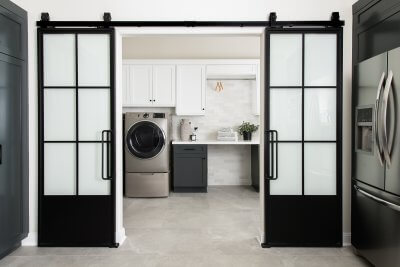
Laundry Room Design Must-Haves Combining Looks & Function
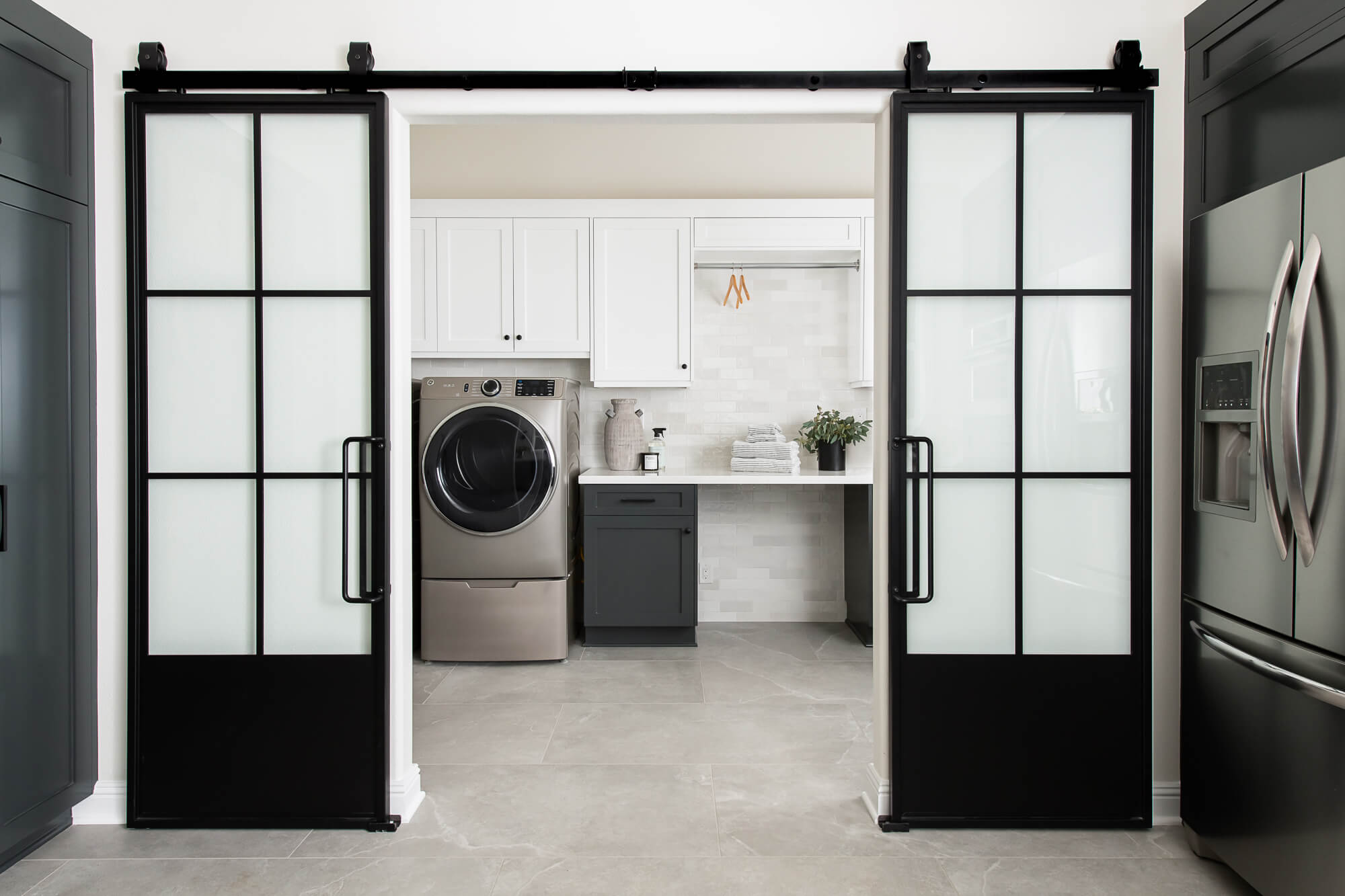 When you think of your laundry room, you might picture one of the hardest working rooms in the house. But, just because it’s made for everyday use, it doesn’t mean your laundry room design has to be drab and uninviting.
In fact, since you’re going to spend significant time in it anyway, why not make your laundry room completely meet your needs but look beautiful, too? Today, we’re going to help you do just that with a few laundry room design ideas from remodeling pros.
7 Tips for the Perfect Laundry Room Design
1. Make sure you have enough space.
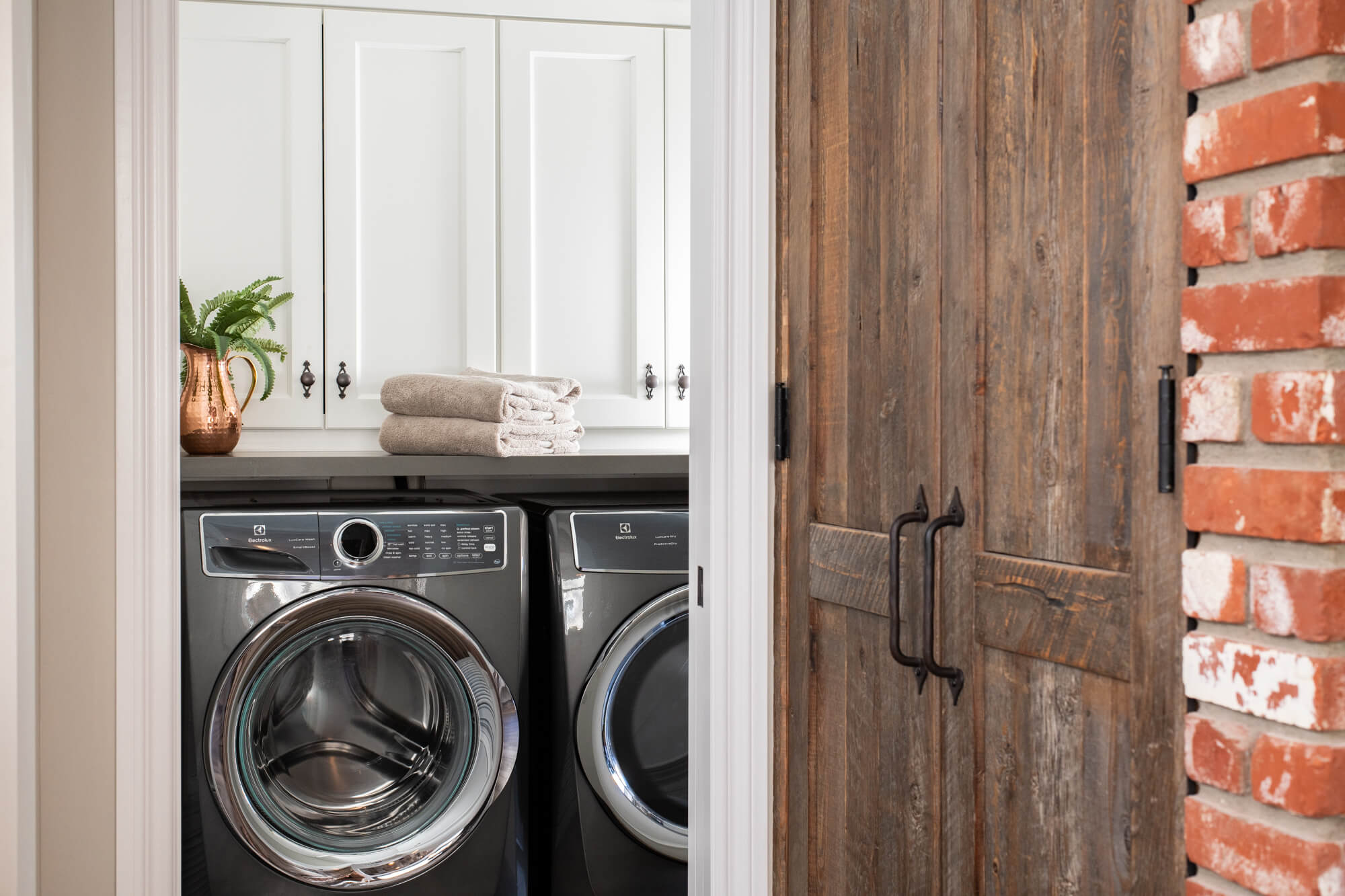
Exactly how much space you need will depend on several factors:
- How big is your family? The more people living at home, the bigger the space should be to accommodate everyone’s laundry.
- What type of washer and dryer do you have? Side-by-side models may allow for bigger laundry loads but will take up more linear space. In contrast, stackable units are more compact but may not be big enough to handle your family’s laundry volume.
- What else will your laundry room be used for besides washing and drying clothes? If you expect to also do ironing here on a regular basis, store cleaning supplies and tools, or have a pet’s litter box or washing area in this room, you want to plan ahead to make sure there’s enough space.
2. Install spacious countertops in your laundry room design whenever possible.

A well-designed laundry room will account for all of the tasks you’ll need to do here. This includes having enough room to set down laundry baskets. Or, having enough space to be able to fold and organize a load of clean laundry.
Ideally, you’ll want countertops to be between 24 and 25 ½ inches deep. This will give enough space for the aforementioned tasks but also allow room for a good sized laundry sink if you want one.
3. Include a designated space for laundry baskets or hampers in your laundry room.

While adequate countertop space gives you an area to manage clean laundry, don’t forget about where the dirty laundry will go. Whether you have a rolling hamper or individual laundry baskets, having a designated space for them will keep dirty laundry neatly tucked out of sight. This is especially handy if you have large volumes of laundry that won’t necessarily be completed in one day.
When a load is finished, sorted, and folded, clean laundry can also be put back in those baskets until it is put away. In either case, your laundry room will look and feel less cluttered and will be visually attractive while being fully functional.
4. Install rods or racks for hanging and/or drying clothes.
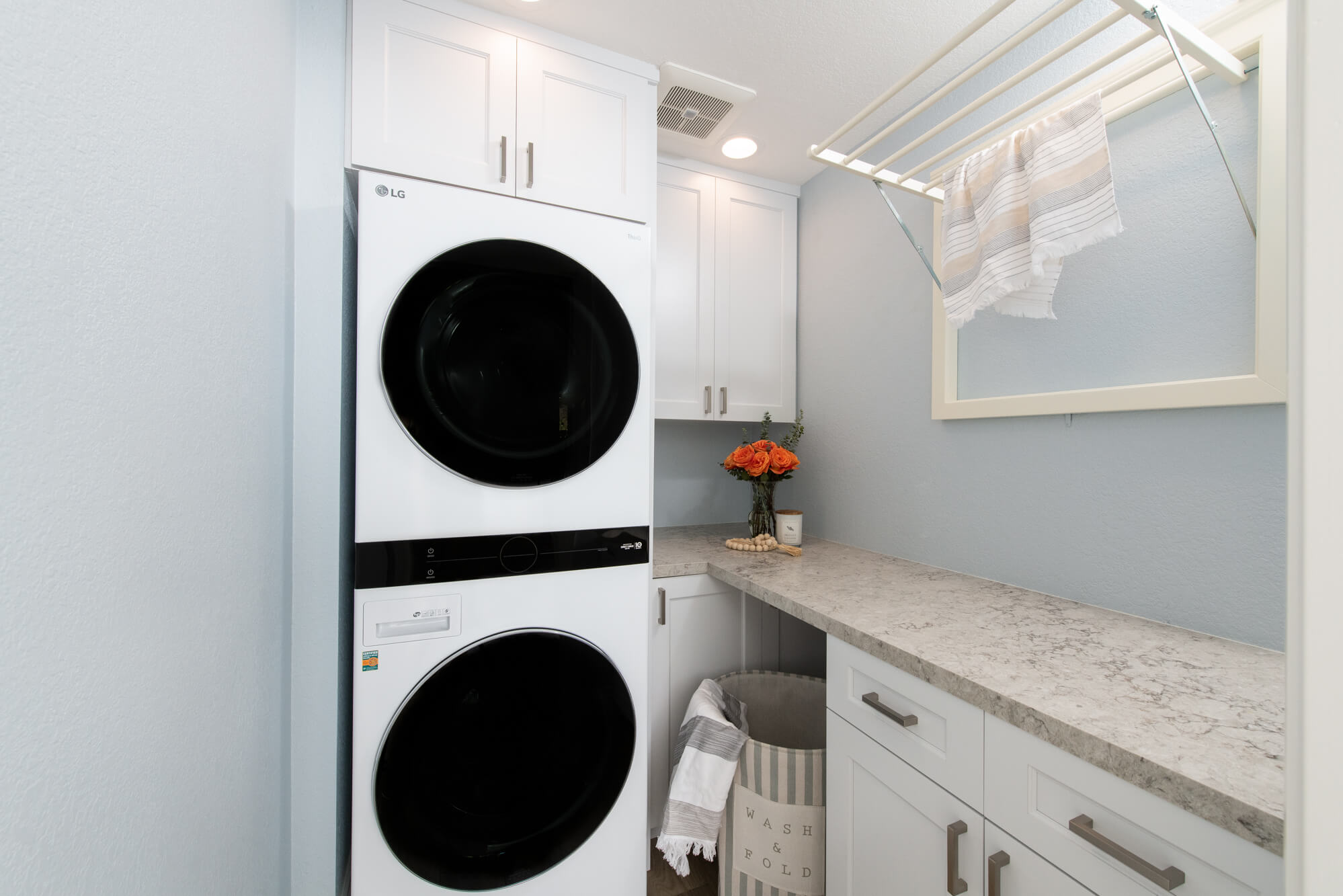
If you have multiple clothing items that require hanging to dry, be sure to include this feature in your laundry room. Some homeowners choose a built-in drying rack. Others don’t need to hang-dry clothes. So, they just have a single bar for hanging clean clothes when they come out of the dryer. Just think – that could mean less ironing to do!
5. A Multi-purpose laundry room design may need custom storage solutions.
Remember when we asked what else you intended to use your laundry room for? Your answer to that question can help guide what types of storage solutions you need. If you’re simply handling everyday laundry, upper and lower cabinets could meet your needs just fine. And, depending on your ironing habits, you may choose to have a fold-out ironing board or a cabinet built for housing a full-size ironing board.
If you opted for storing the vacuum cleaner, broom, mop, and other cleaning supplies in your laundry room, it’s possible that some custom cabinets may be in order. That way, you can maximize the use of the space you have while keeping everything looking neat and tidy.
If you decided that you want to include a custom pet washing station like the one below, you’ll also need storage for both laundry AND bathing supplies.

6. Outfit your laundry room with fixtures and finishes that will stand the test of time and use.
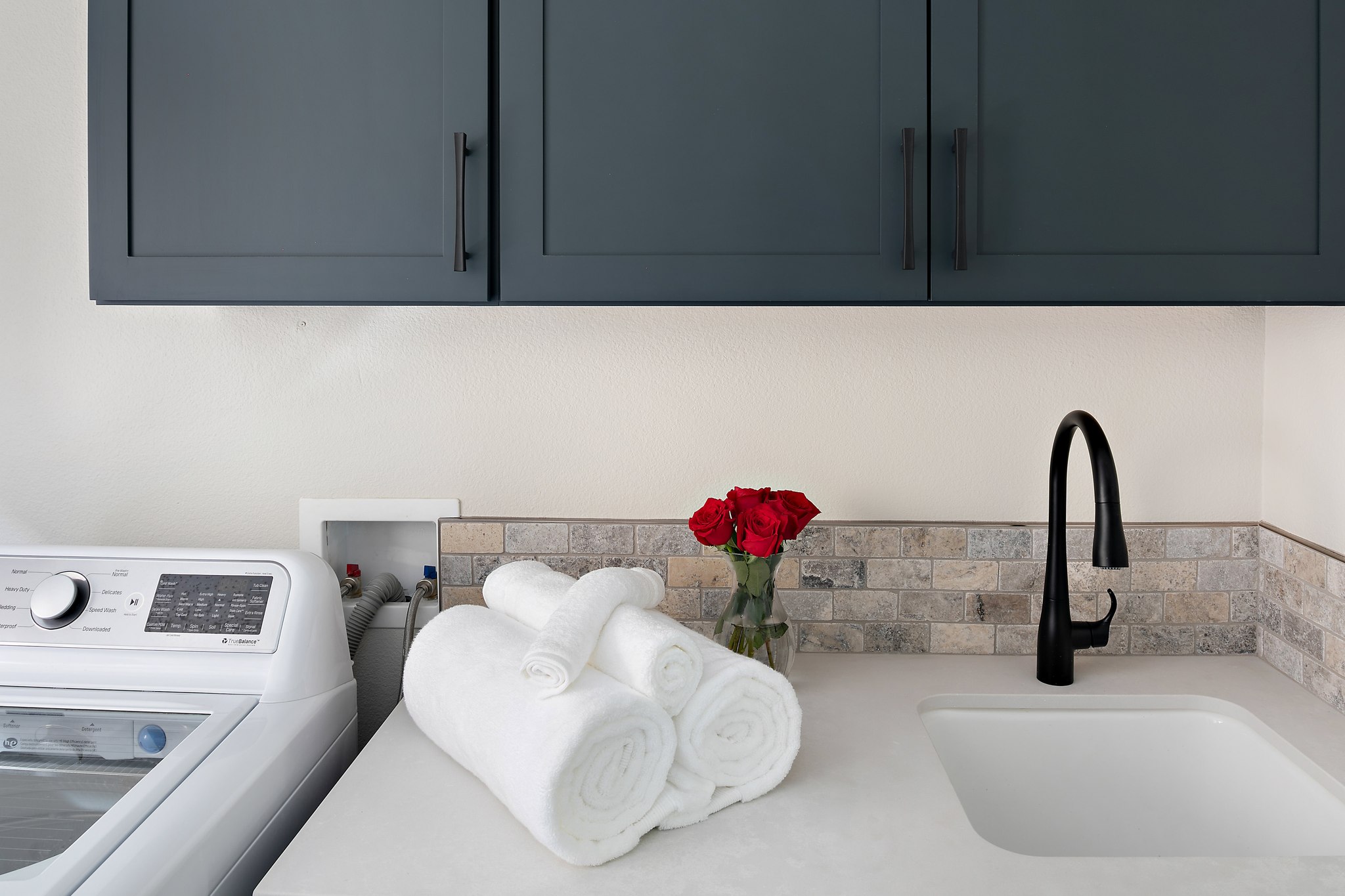
Let’s face it … your laundry room will get a LOT of use. Work with your remodeling professional to determine which materials will still look and feel great even after significant exposure to everyday use and traffic. Ultimately, you’ll want to consider ones that don’t scratch, scuff, or smudge easily.
7. Conceal plumbing for a clean look.

Even with the highest quality fixtures, neatly organized cabinets, and beautiful countertops, you won’t be happy with your laundry room design if it’s cluttered by dryer vents or washing machine hoses. Work with your design professional to conceal hoses, drains, vents or anything else that might detract from the overall design.
Plan Your Laundry Room Design With an Orange County Remodeling Professional
At Sea Pointe Design & Remodel, we’ve been helping Orange County homeowners with their remodeling needs for almost 40 years. From luxurious master bathroom renovations and kitchen makeovers to laundry room remodels and other projects, we’re committed to designing and creating spaces you and your family will love.
To learn more about our work, check out our portfolio of completed projects. Or, register for one of our upcoming remodeling webinars to learn helpful remodeling tips from the pros.
Then, when you’re ready to start planning your own laundry remodel, simply give us a call at (949) 861-3400 or fill out the form below to schedule your complimentary design consultation.


 Owning a historic home could be your pride and joy, but does it meet your family’s needs adequately? While your older home is likely full of charm and character, it’s not so likely to have the creature comforts a modern family could be looking for. However, that doesn’t mean you have to forego history for modern construction.
 While historic homes exude charm and character, they may not have all the comforts you want your family to enjoy today. Perhaps the kitchen is too cramped for entertaining or the bathrooms are too tiny. And, maybe the home looks great but feels stifling in the summer due to lack of adequate air flow.
 It’s possible that your remodeling plan will include completely gutting the kitchen, bathroom, or other rooms to replace wiring, plumbing, or other essentials. That doesn’t mean that your home’s unique character has to go out the window, too, however. Sometimes, saving items like antique drawer pulls or a vintage washstand and repurposing them in other ways can be the key to making your newly updated historic home keep its historic feel.
 If you’re living in a historic home, it’s highly likely that you purchased it in the first place because you love its character. When upgrading for function, comfort, or aesthetics, though, pay attention to what creates that character you love. Maybe it’s the crown moldings or the hardwood floors. Whatever it is that you love, make sure your
  Throughout our almost 40 years of
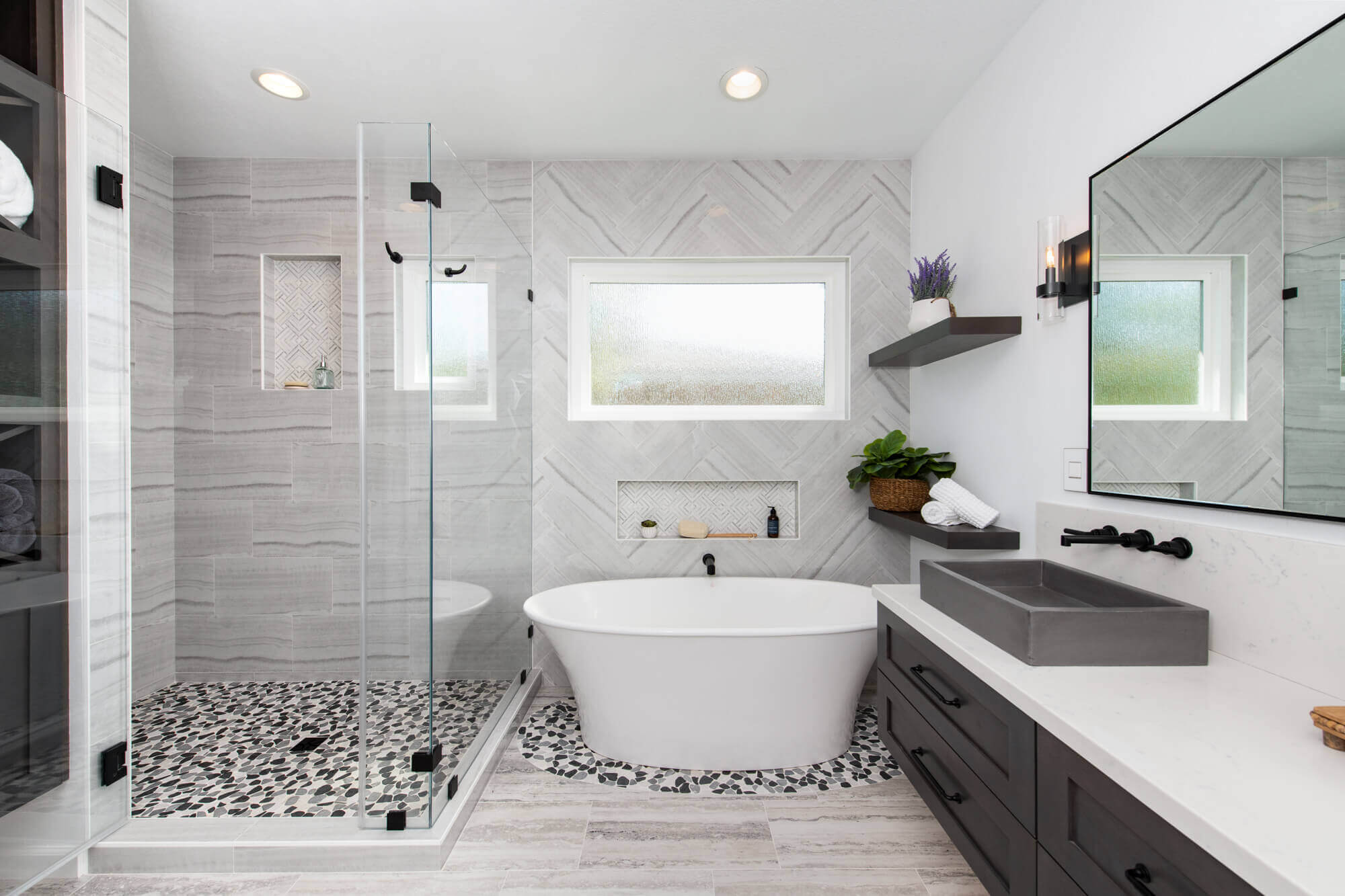
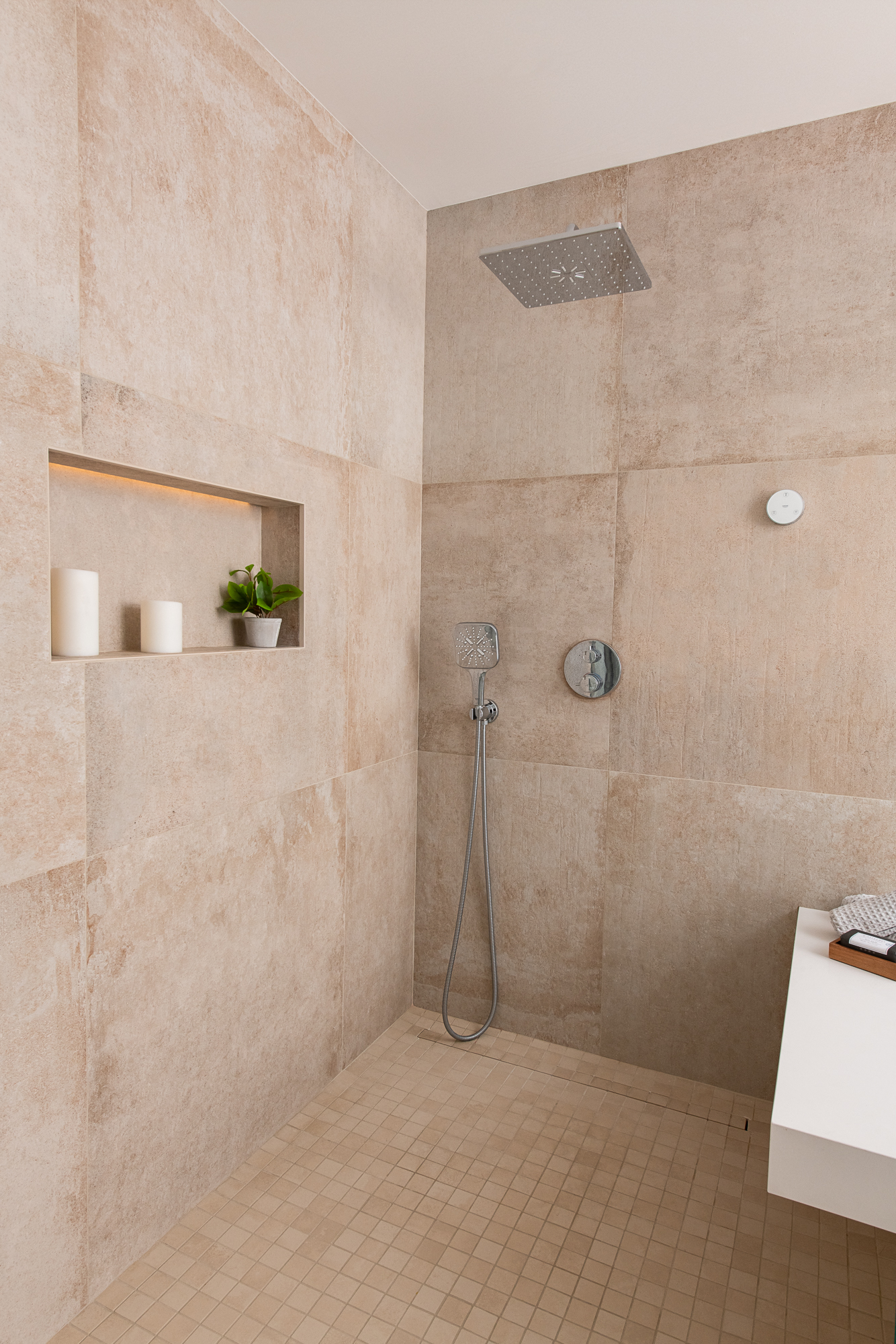
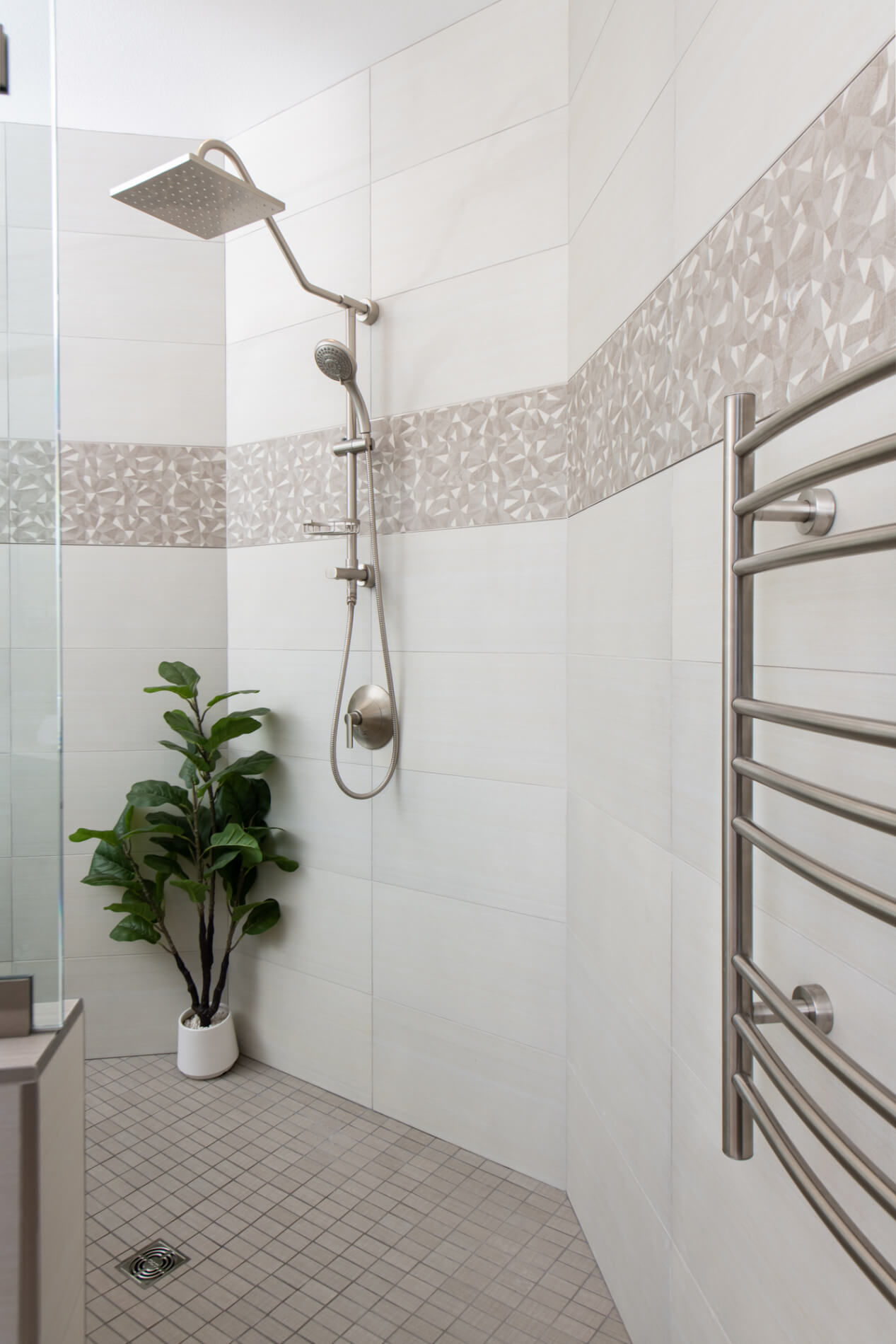


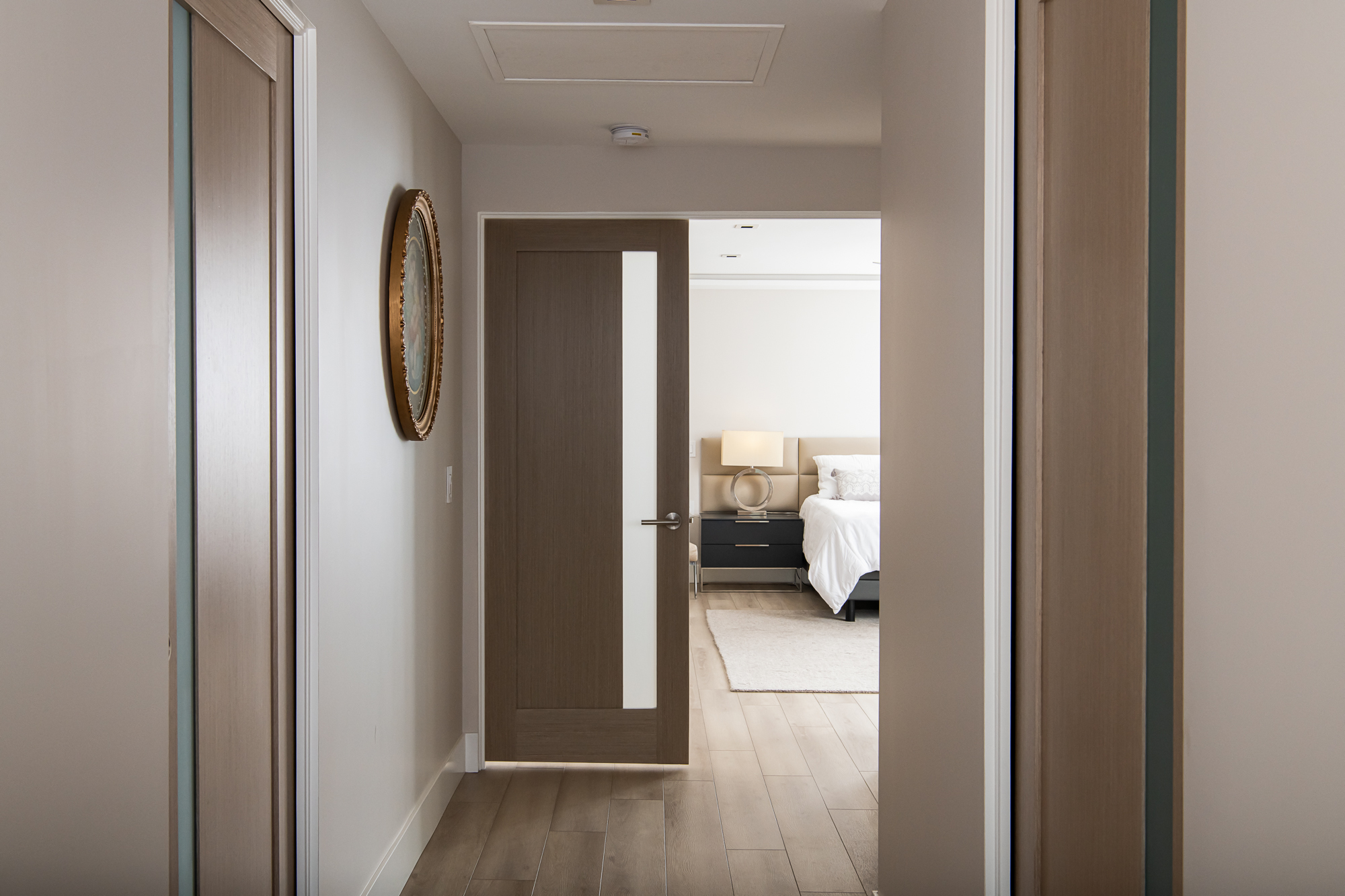


 Accessibility has long been important for homeowners with mobility challenges or other disabilities. But in recent years, we’ve also seen an emerging trend of homeowners choosing to age in place. That means that when possible, they stay at home as they age or live with family members instead of moving to a nursing home or assisted living facility. With
  Your home’s bathrooms see a lot of traffic on a daily basis. That’s why it’s critical to make good use of every available inch of square footage you have. And sometimes, a bathtub just doesn’t cut it.
 The reality is that most homeowners today lead very busy lives. With both partners often working outside the home, it’s not uncommon for them to be getting ready for the day at the same time. But building a bigger bathroom to accommodate two people isn’t always possible. Sometimes trading the bathtub for a shower will do the trick and enable more than one person to shower simultaneously.
 Unless your current bathroom features a tub that’s super relaxing and more reminiscent of the local spa, there’s a good chance that it could actually detract from your home’s resale value. According to a
  According to industry estimates, the average bath can take anywhere from 30 to 50 gallons of water. The actual amount used, of course, depends on bathing preferences as well as how big the tub is. On the other hand, a 10 minute shower with a 2.5 gallon-per-minute showerhead takes only 25 gallons. Shorter showers or more efficient showerheads can further reduce water usage.
 In the olden days, homeowners cared more about function than aesthetics in almost every area of their home. Today’s modern bathrooms are all about both, however. With