
Second-Story Addition Contractors Mission Viejo: Adding Space & Value
Your family has outgrown your Mission Viejo home, but you want to stay in the neighborhood and schools you love. Moving isn’t the answer—building up is. A second-story addition is one of the most effective ways to add square footage, increase home value, and remain in place. The key is working with a contractor who has the design expertise, structural experience, and project management discipline to avoid costly surprises.
Sea Pointe Design & Remodel has served Orange County homeowners, including Mission Viejo, for over 40 years. As a fully integrated design-build firm, we manage every phase under one roof—from architectural design and structural engineering to permitting, HOA documentation, and construction—under one single roof.
Why Mission Viejo Homeowners Choose to Build Up
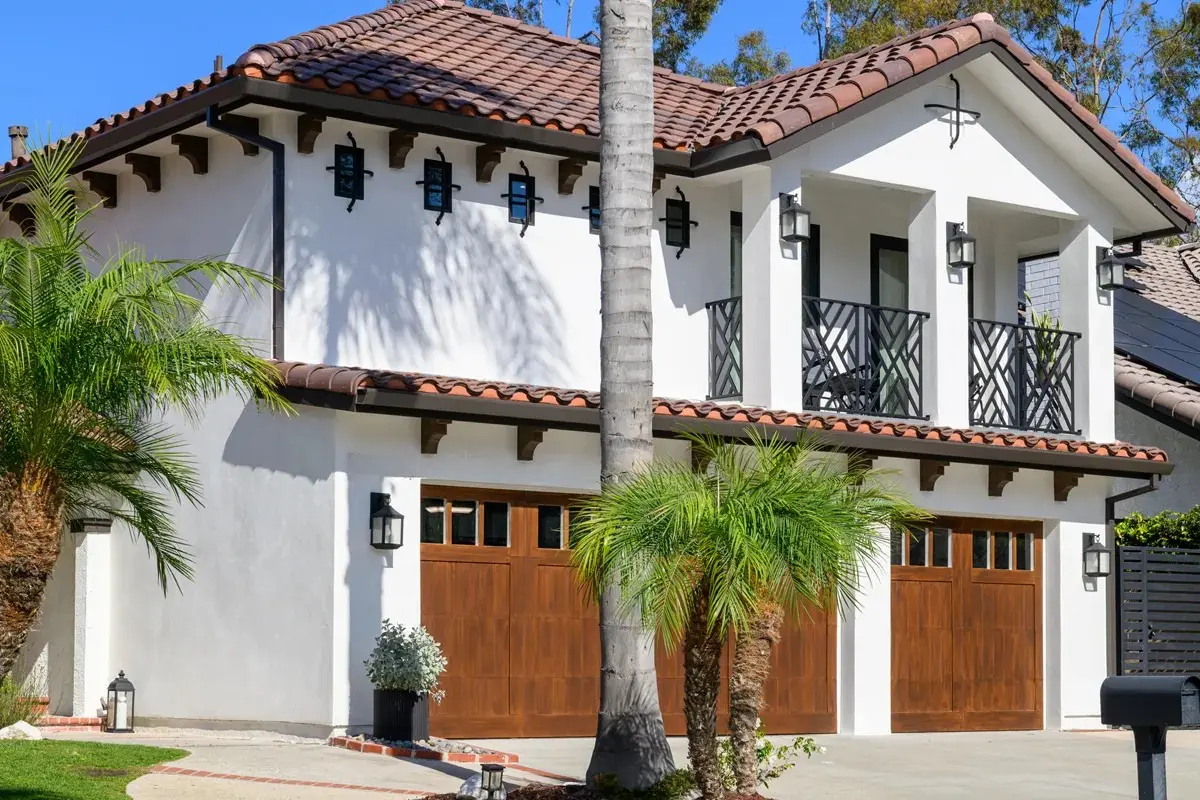
The Financial Case for Staying and Expanding
Mission Viejo’s strong property values and high quality of life make moving unattractive for most families. Instead of buying a larger home and leaving a neighborhood you’ve invested in, a second-story addition offers a practical alternative—adding needed space while building equity where you already live.
A well-executed addition also performs well at resale, as Mission Viejo buyers prioritize bedroom count, functional layouts, and overall livable square footage.
Lot Constraints Make Building Up the Smart Choice
Mission Viejo neighborhoods often have lot coverage limits, setbacks, and HOA rules that restrict horizontal expansion. Building up is usually the most practical way to add space, especially in communities like Canyon Crest, Casta del Sol, and Montiel, where lot sizes limit ground-floor additions.
Navigating these constraints requires a contractor with genuine familiarity with Mission Viejo’s specific zoning codes, HOA guidelines, and city permitting processes. Sea Pointe’s team brings that local knowledge to every project — ensuring your addition is designed within the rules from day one rather than redesigned after a rejection.
What Sets Sea Pointe Apart for Second-Story Additions
One Contract. One Team. Complete Accountability.
Most contractors offer construction — but not design. Most designers offer vision — but not construction management. Sea Pointe delivers both under a single contract, with one coordinated team managing architectural design, structural engineering, permitting, and construction from start to finish. For a project as structurally complex as a second-story addition, this integrated approach is not a convenience — it’s a necessity.

When design and construction are managed separately, miscommunications between teams create expensive consequences. Structural conflicts discovered mid-build, roofline integration errors, and change orders triggered by inconsistent plan sets are all predictable outcomes of fragmented project delivery — and they add real cost to an already significant investment.
The Financial Risk of Fragmented Execution
According to the National Association of Home Builders, change orders are a leading cause of budget overruns in residential construction, commonly adding 10–25% to total project costs. Research from the U.S. Department of Housing and Urban Development similarly identifies project delays and scope changes as primary drivers of cost increases.
On a second-story addition in Mission Viejo — where projects typically range from $200,000–$450,000+ — fragmented execution can realistically add $30,000–$90,000+ in avoidable costs. Sea Pointe’s integrated model resolves structural, design, and permitting decisions before construction begins, protecting your budget at every stage.
Understanding Second-Story Addition Costs in Mission Viejo
A Realistic Cost Framework
Second-story additions in Mission Viejo vary based on scope, structural complexity, and finish level. A partial second-story—adding one to three rooms above an existing footprint with standard roofline integration—typically includes structural reinforcement, roof modifications, and mid-range interior finishes.
The cost of a full second-story addition—expanding across the entire home with multiple bedrooms, bathrooms, and a complete roofline rebuild is driven by increased labor costs, Title 24 energy requirements, and local permitting fees common in Southern California.
What Drives Cost in Mission Viejo Specifically
Several factors affect second-story addition costs in Mission Viejo beyond materials and labor. Structural reinforcement is often the biggest driver and depends on a home’s age and original construction—many 1970s–1980s homes require foundation upgrades, shear walls, or beam replacements before adding a second floor.
HOA review, Title 24 energy compliance, and city plan check processes also add time and documentation costs that aren’t included in basic contractor estimates. Sea Pointe accounts for these factors during a complimentary consultation, providing budget guidance upfront.
The Full Cost Stack: Soft Costs Most Contractors Don’t Mention
Why Construction Cost Per Square Foot Is Only Part of the Story
A second-story addition in Mission Viejo is often judged by construction cost per square foot, but that overlooks a major factor: soft costs. These non-construction expenses—covering design, engineering, and permitting—typically make up 15–25% of the total project budget and are often missing from early contractor estimates, leading to budget shortfalls later.
Architectural design depends on the complexity of integrating new space with an existing structure. Structural engineering adds costs, especially in older Mission Viejo homes that often require foundation or load-bearing upgrades. These requirements are mandated under California’s Building Standards Code, which governs structural safety and energy compliance statewide.
Permits, Energy Compliance, and HOA Review
City permit and plan check fees typically depend on project scope, valuation, and review cycles. Title 24 energy compliance reporting is required for most additions, ensuring insulation, HVAC, and building envelope standards meet California Energy Commission requirements.
HOA design review and revision cycles in Mission Viejo can add time and cost depending on community guidelines and board schedules. Together, these soft costs represent a significant share of the total project investment. Understanding the full cost stack upfront—not just construction costs—helps prevent budget overruns before work begins.
The Mission Viejo Permit Timeline Reality
More Layers Than Most Homeowners Expect
Second-story additions in Mission Viejo follow a multi-stage permitting process that often exceeds homeowner expectations. Projects typically start with a design and structural engineering phase to produce stamped plans that meet California Building Code and seismic standards. HOA architectural review, required in most communities, adds several weeks before city submission, depending on board schedules and design complexity.
After HOA approval, the City of Mission Viejo’s plan check process typically takes a few more weeks for a complete submittal. Correction cycles—often required for structural or Title 24 updates—can add more time. Sea Pointe’s integrated team submits code-compliant plans from the start to reduce revisions and keep the process moving efficiently.
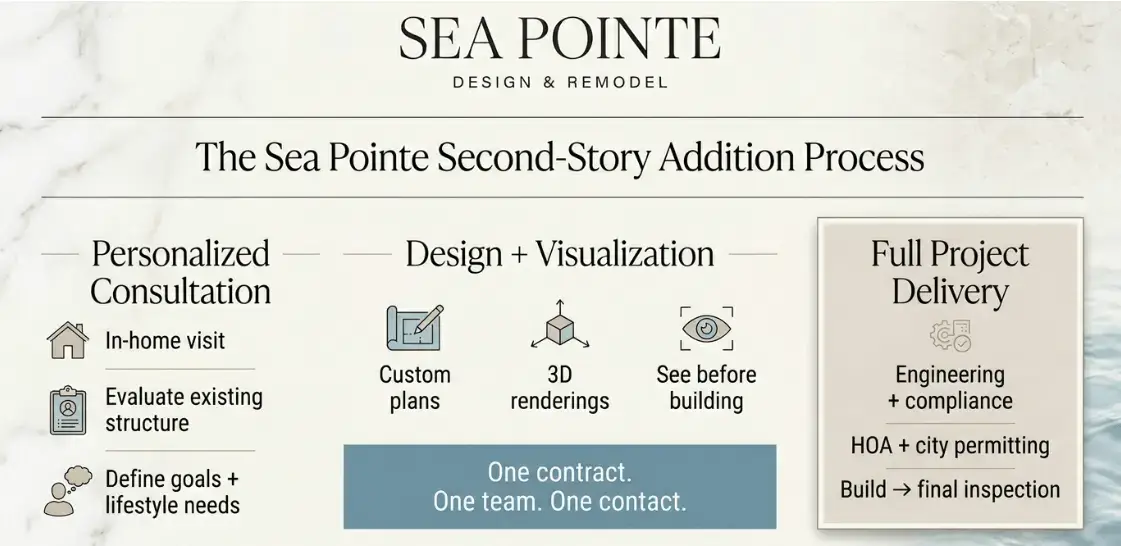
The Sea Pointe Second-Story Addition Process
A Consultation Built Around Your Home and Goals
The process begins with a complimentary in-home consultation. A dedicated designer visits your Mission Viejo property, evaluates the existing structure, and takes time to understand exactly what you need from the expanded space. Whether you’re adding bedrooms for a growing family, creating a primary suite, or building a home office, every design decision is rooted in your specific home and lifestyle.
From 3D Rendering to Move-In Ready
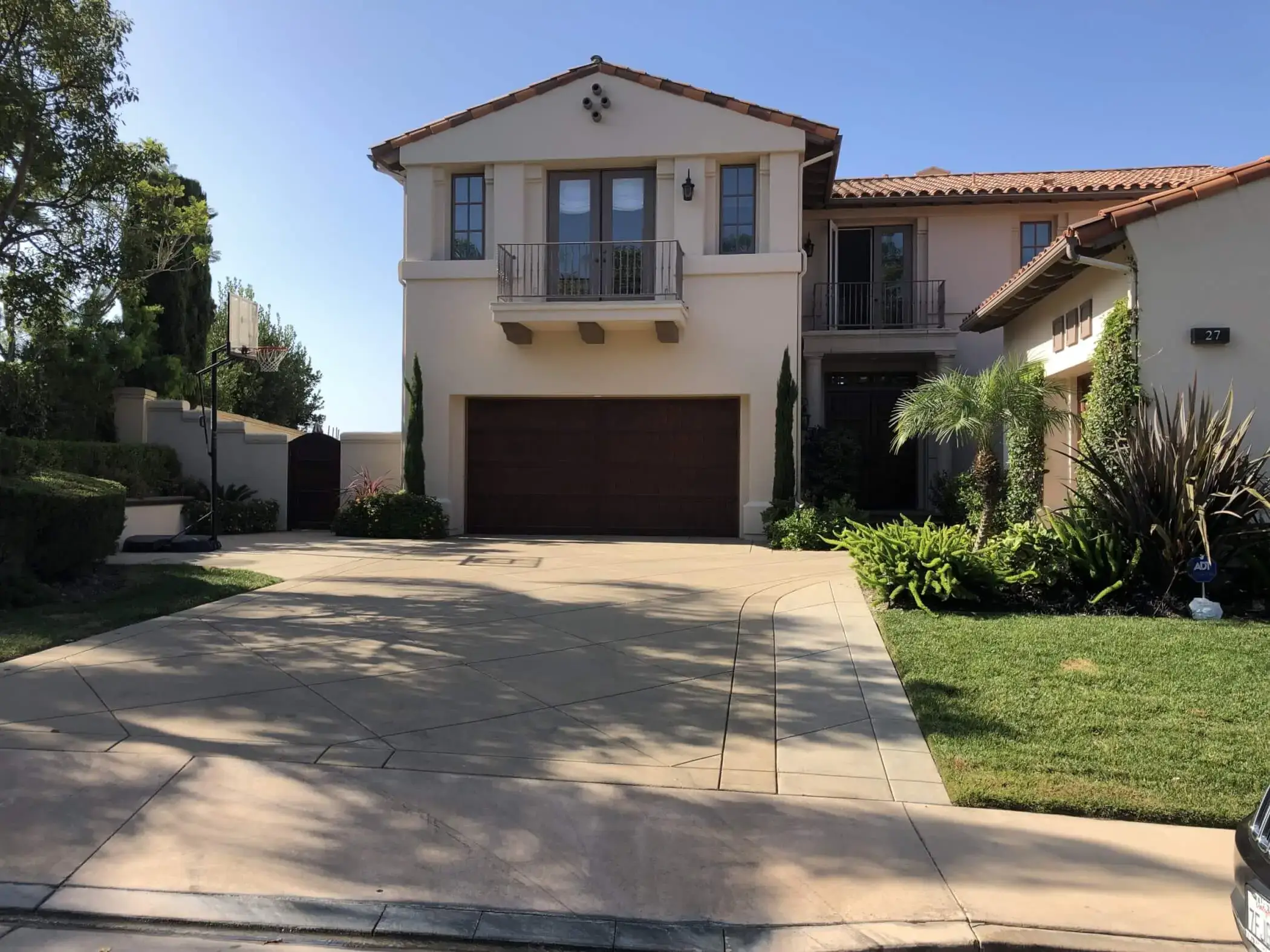
Once you sign on to begin the design phase, Sea Pointe develops detailed design concepts and 3D renderings so you can visualize the finished addition before a single beam is moved. Once the design is approved, the team leads structural engineering, Title 24 compliance, HOA design submittals, city permitting, and construction — one contract, one team, one point of contact from the first conversation through the final inspection.
Schedule Your Complimentary Consultation
Ready to explore a second-story addition for your Mission Viejo home? Sea Pointe Design & Remodel makes the first step easy. Schedule your complimentary in-home consultation and a dedicated designer will visit your property, assess the existing structure, and begin developing an estimated cost range tailored to your space needs and budget.
Call us on (949) 861-3400, visit our design showroom at 576 Wald, Irvine, CA 92618 (Monday–Friday, 9 am–5 pm), or book online at seapointe.com.
Conclusion: More Space, More Value — Built for Mission Viejo
Mission Viejo homeowners shouldn’t have to choose between the space their family needs and the community they love. A second-story addition makes both possible — adding meaningful square footage, increasing long-term property value, and keeping you rooted in the neighborhood you’ve invested in.
Sea Pointe Design & Remodel brings over 40 years of Orange County experience, a fully integrated design-and-build approach, and a genuine commitment to delivering second-story additions that exceed expectations. Call us on (949) 861-3400 or visit seapointe.com to schedule your complimentary in-home consultation — and take the first step toward a home that finally fits your life.
Do second-story addition contractors in Mission Viejo handle HOA approvals?
Yes. Sea Pointe factors HOA design standards into the project from the initial design phase, ensuring plans align with community requirements. Our team manages HOA architectural review coordination as part of the integrated design-build process.
How long does a second-story addition typically take in Mission Viejo?
Most Mission Viejo second-story additions take 9-14 months from design through construction completion, accounting for HOA review, city plan check, and construction phases. Sea Pointe provides a detailed project schedule during the design phase so you know what to expect at every stage.
Do I need to move out during a second-story addition?
In many cases, homeowners can remain on the lower level during construction, though roofline removal and structural reinforcement phases may require temporary relocation. Sea Pointe discusses displacement planning and phasing options during the initial consultation.
How much does a second-story addition cost in Mission Viejo?
Cost range depends on scope, structural requirements, and finishes. Sea Pointe’s complimentary consultation includes honest, property-specific budget guidance before any commitment is made.
How does the design-build model benefit a second-story addition project?
Second-story additions require tight coordination between structural engineering, architectural design, permitting, and construction. Sea Pointe’s integrated model means all of these functions are managed by one team under one roof — eliminating the miscommunications and change orders that drive up costs on complex structural projects.
What structural work is typically required for a second-story addition?
Most second-story additions require reinforcement of the existing first-floor structure — including foundation upgrades, shear wall additions, and beam replacements — before vertical expansion can begin. The extent varies by the home’s original construction. Sea Pointe’s structural engineers assess this during the design phase.
Does Sea Pointe serve Mission Viejo and the surrounding Orange County communities?
Yes. Sea Pointe Design & Remodel serves homeowners throughout Orange County, including Mission Viejo, Lake Forest, Rancho Santa Margarita, Laguna Niguel, and surrounding areas. Call (949) 861-3400 or visit seapointe.com to get started.