
Room Addition Services in Huntington Beach | Quality Craftsmanship
What separates room additions that transform how a home functions from those that simply add square footage?
In Huntington Beach, where coastal architecture meets California indoor-outdoor living, the answer lies in understanding how a new space can enhance daily routines while respecting the home’s existing character.
Surf City’s architectural landscape ranges from classic beach cottages to contemporary coastal estates. Each presents distinct opportunities when families need additional room. Some homes benefit from expanding into yards for single-story additions.
The right choice depends on lot configuration, existing structure, and how the household actually lives.
Professional Design-Build teams bring clarity to these decisions early, preventing costly mid-project discoveries about what foundations can support or what coastal building standards will allow. This integrated approach keeps room addition planning grounded in structural reality from the first sketch.
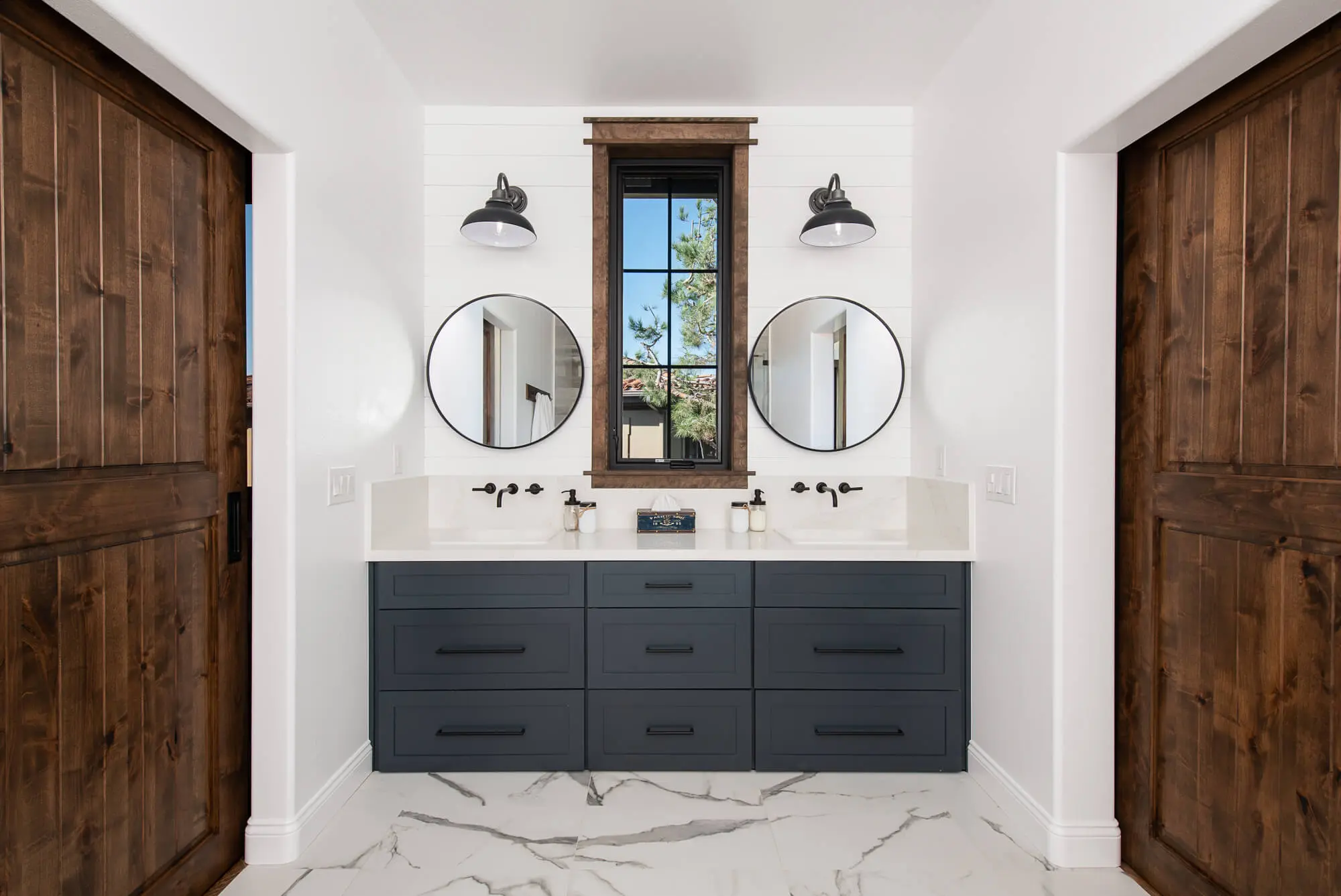
Why Huntington Beach Room Additions Require Coastal Expertise
Huntington Beach sits directly on the Pacific coastline, where salt air, ocean moisture, and sandy soil create construction conditions that differ markedly from inland communities. Building near the coast involves specific engineering considerations and material requirements that general contractors might overlook.
Foundation work here accounts for sandy soil composition and groundwater proximity. Structural engineering evaluates corrosion resistance for any steel components exposed to coastal humidity. Material selections prioritize finishes that resist salt air degradation over time.
Beyond technical requirements, Huntington Beach’s architectural heritage shapes what additions can look like. The community’s beach cottage aesthetic, California ranch styling, and contemporary coastal homes each carry distinct design vocabularies. Successful additions speak the same architectural language as the original structure rather than appearing tacked on.
Properties near the ocean require additional review to ensure construction respects environmental protections, and local experts have a leg up on understanding these considerations. These aren’t bureaucratic hurdles but genuine considerations for building responsibly in sensitive coastal areas.
How Room Additions Actually Work
The term “room addition” covers diverse project types, each solving different spatial challenges. Understanding which approach fits your situation prevents investing time and money pursuing options that won’t deliver what your household actually needs.
Primary Suite Expansions
Primary suite additions give couples private space separated from household activity. These projects typically incorporate bedroom, bathroom, and walk-in closet in layouts designed for morning routines that don’t disturb sleeping children or visiting relatives.
In Huntington Beach homes, primary suite additions often emphasize ocean views and natural ventilation. Floor-to-ceiling windows frame water views, while direct access to outdoor patios or balconies extends the living space into Southern California’s mild climate.
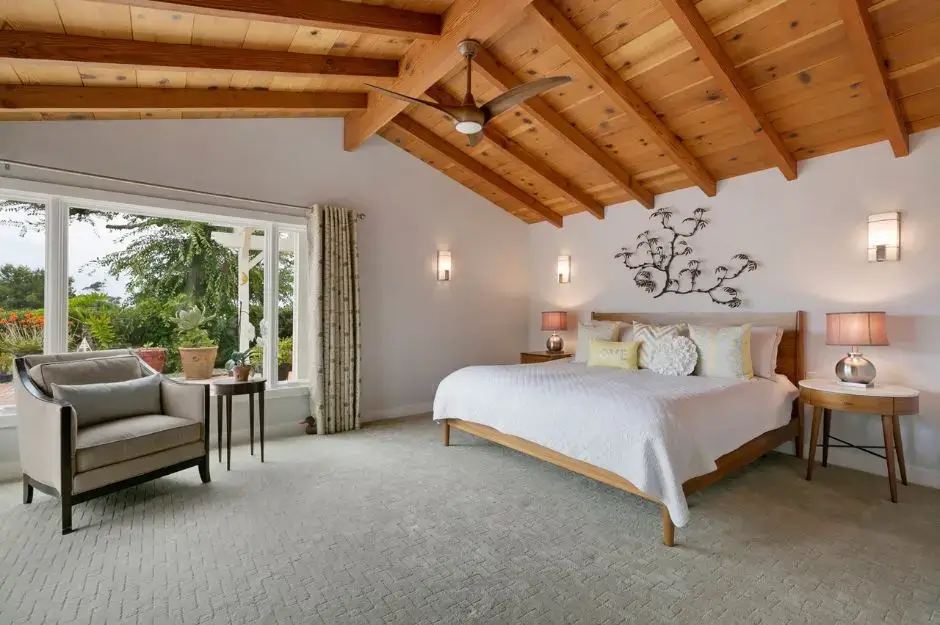
The most successful primary suite additions integrate floorplans thoughtfully, and consider your day-to-day flow. Getting these details right determines whether the addition actually provides the retreat homeowners imagine, and this is where professional designers excel.
Family Room and Kitchen Extensions
Growing families often find kitchens and gathering spaces insufficient for current needs. Room additions that expand these areas transform how households function daily, creating space for cooking, homework, entertaining, and simply being together without constant collision.
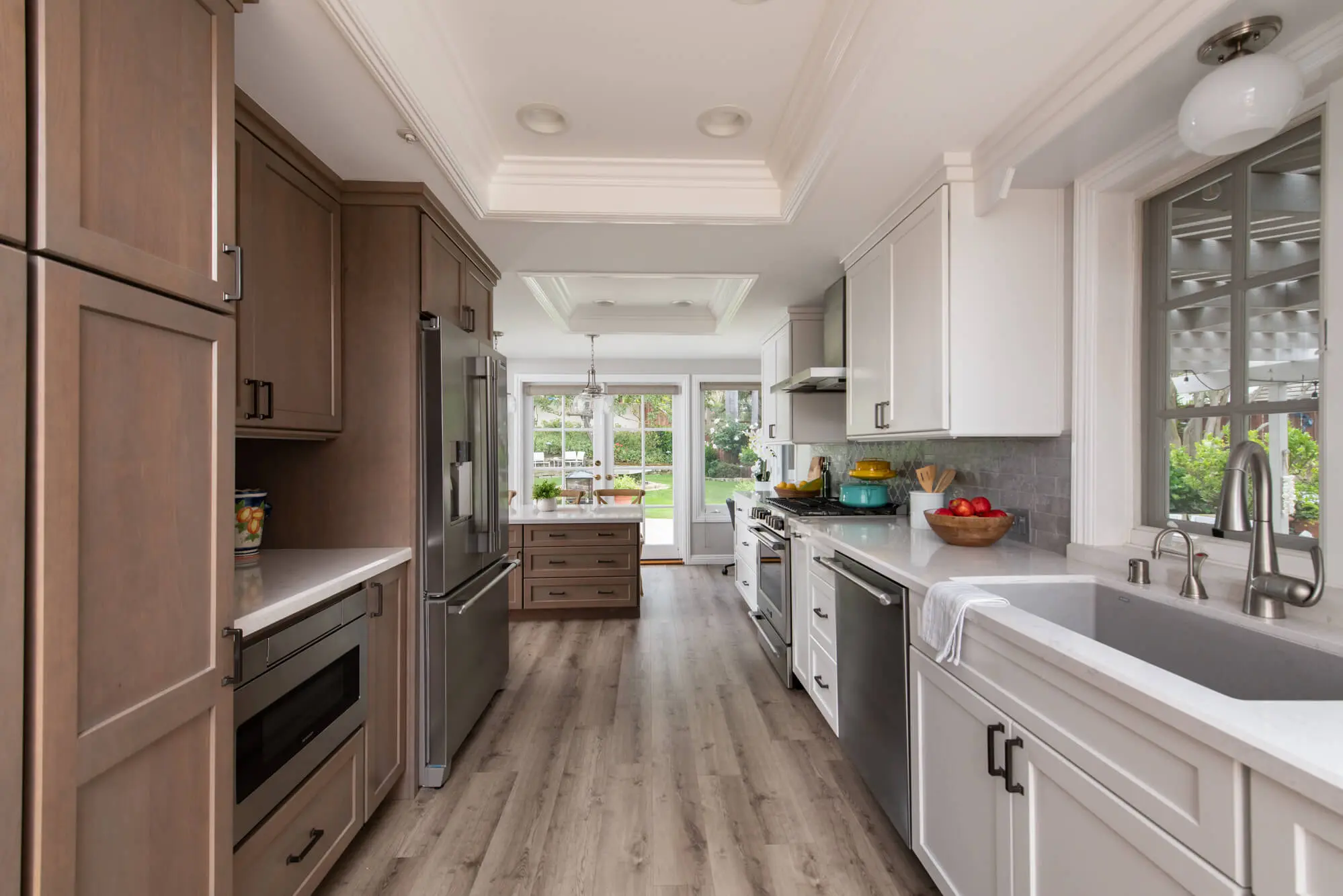
Removing walls between existing rooms and new additions creates open floor plans that match contemporary living patterns. However, structural requirements dictate what’s possible. Load-bearing walls, roof support, and foundation capacity all influence which walls can be eliminated and how spaces can be reconfigured.
Kitchen extensions specifically benefit from addressing workflow alongside adding square footage. An enlarged kitchen poorly laid out frustrates daily use just as much as one that’s too small. Professional planning considers work triangle efficiency, storage access, and how multiple people move through the space simultaneously.
Home Office and Flexible Workspace Construction
Remote work arrangements make dedicated office space valuable rather than optional. Converting spare bedrooms creates conflict when those rooms need to accommodate overnight guests. Purpose-built home office additions provide professional environments separated from household activity.
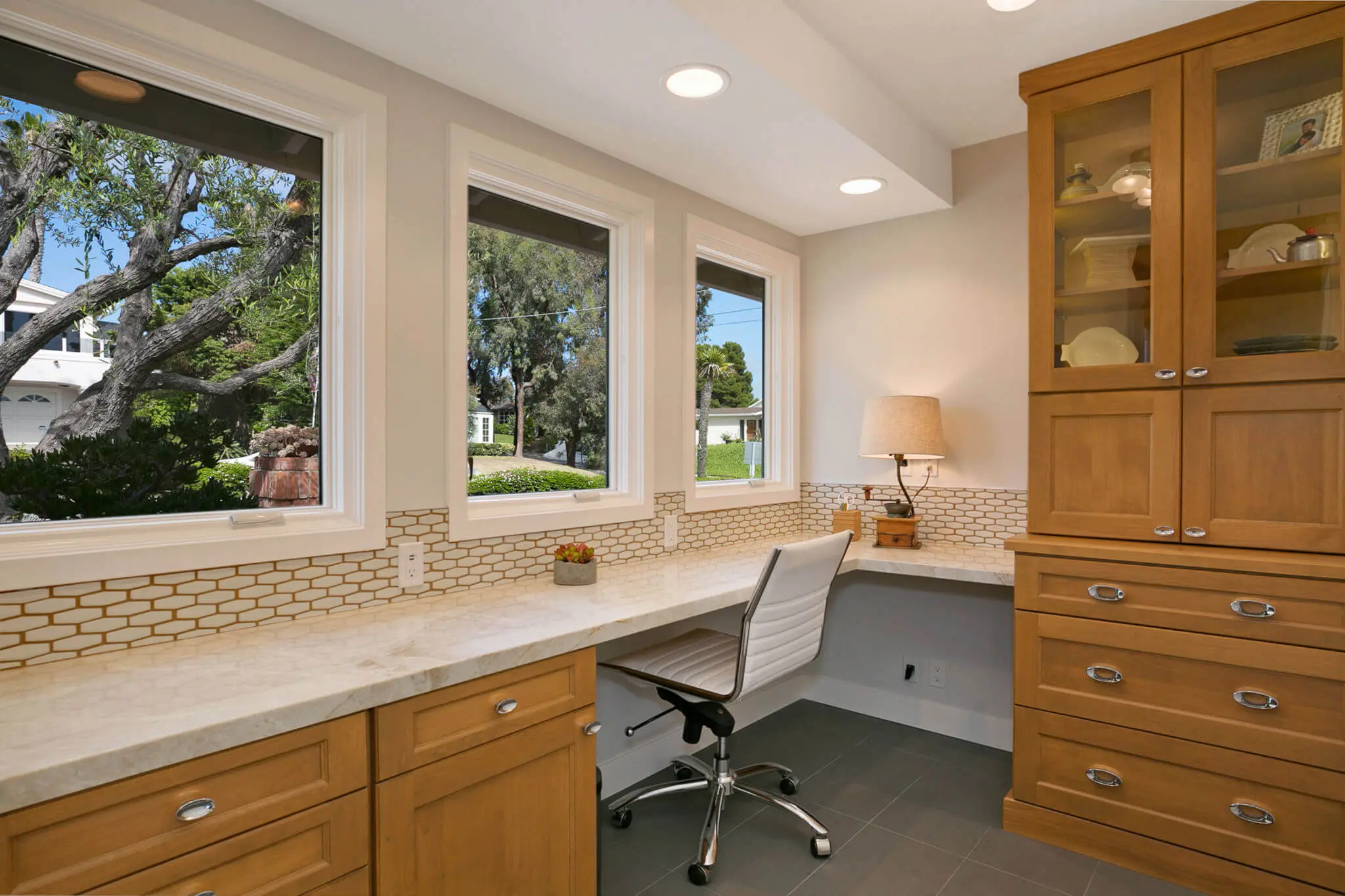
Soundproofing matters significantly here. Video calls with colleagues or clients require acoustic separation from barking dogs, television noise, or playing children. Proper insulation, solid-core doors, and strategic room placement all contribute to creating work environments that actually support professional requirements.
The best home office additions build in flexibility. Today’s office becomes tomorrow’s guest suite, hobby studio, or expanded primary bedroom as needs evolve. Thoughtful planning incorporates features like closets, dedicated bathroom access, and layouts that adapt without major renovation.
Multigenerational Living Quarters
California’s housing costs and aging population drive increased interest in multigenerational households. Creating comfortable living situations for adult children or aging parents requires more than simply adding a bedroom. These additions need kitchenettes for meal independence, private bathrooms for morning routine autonomy, and separate entrances that respect everyone’s privacy.
Unlike detached accessory dwelling units, attached multigenerational additions connect directly to the main home. This proximity allows family connection while dedicated spaces preserve independence. Features like intercom systems, connecting doors that can be locked from either side, and thoughtfully placed windows maintain comfortable boundaries.

For homeowners exploring these living arrangements, Sea Pointe’s aging-in-place and universal design resources explain how to incorporate accessibility features that serve all ages without creating institutional aesthetics.
Second-Story Construction
Compact Huntington Beach lots sometimes make vertical expansion more practical than horizontal room additions. Second-story construction maximizes usable space without sacrificing yard area, preserving outdoor living space that defines California coastal lifestyle.
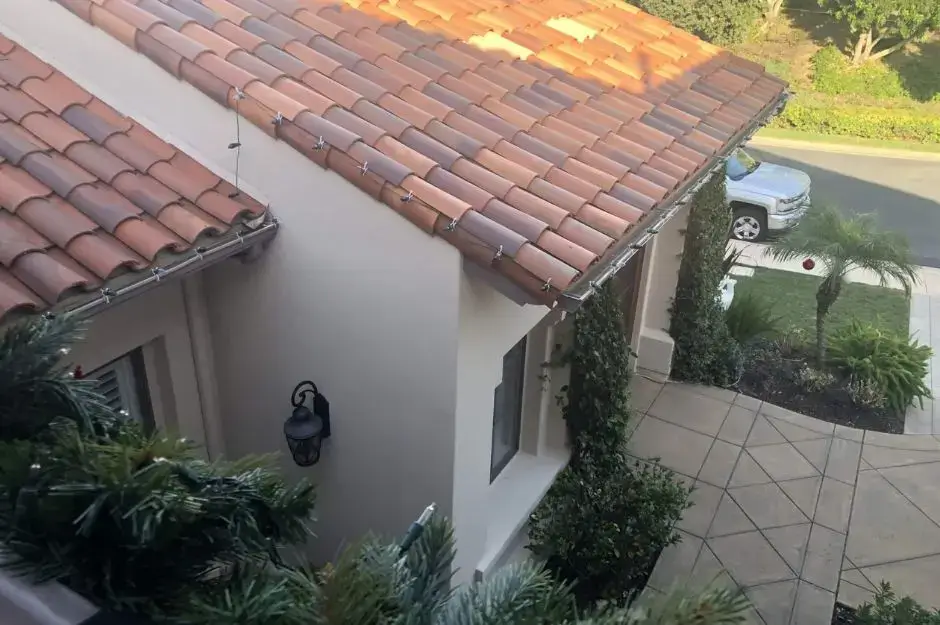
These projects involve engineering complexity beyond ground-floor additions. Existing foundations require evaluation to confirm they can bear additional structural load. Wall framing needs assessment to determine whether current construction can support second-floor weight or requires reinforcement.
Second-story additions also affect neighbors differently than single-story construction. Views, shadows, and perceived privacy all change when buildings gain height. Huntington Beach building departments review these impacts carefully, sometimes requiring design modifications to address neighbor concerns.
Despite complexity, second-story additions deliver valuable benefits. Upper levels capture better ocean views and breezes. Bedrooms separated vertically from living areas provide acoustic separation impossible to achieve in single-story layouts. For families unwilling to sacrifice yards, vertical expansion often represents the only viable path to gaining needed space.
Selecting Materials for Coastal Durability
Huntington Beach’s oceanfront location demands materials chosen for long-term performance in challenging conditions. Salt-laden air accelerates corrosion of metal components. Humidity affects wood stability. UV exposure from intense sun fades finishes faster than inland areas experience.
Sea Pointe’s Irvine showroom allows homeowners to evaluate material options directly, comparing samples in person rather than relying on small swatches or online images. Understanding how finishes actually look under varying light conditions and how surfaces feel to touch informs confident selections.

The Design-Build Difference in Room Addition Projects
Traditional construction separates design from building, creating potential for misalignment between vision and execution.
Architects develop plans without construction cost knowledge, and contractors receive plans created without understanding existing home conditions. Homeowners have to mediate between professionals with different priorities, and the process can quickly become a nightmare.
Design-Build dissolves these divisions. The team creating the plans for your addition also prices and builds them.
Material selections happen with installation methods understood. Layout decisions incorporate structural realities from the start. Budget constraints inform design rather than derailing it after plans are complete.
For room addition projects, this integration prevents common frustrations. Discovering foundation inadequacy after finalizing second-story plans. Learning preferred materials exceed budget after design approval.
Finding out that a stunning addition layout doesn’t accommodate required plumbing vents can take the momentum right out from under you. Design-Build teams address these issues during planning rather than mid-construction.
Communication simplifies dramatically with one point of contact. Questions about the timeline get answered by people managing the schedule, and material substitution requests go to professionals who understand both aesthetic impact and cost implications. Unexpected conditions discovered during construction get resolved within the team responsible for overall project success.
Sea Pointe Design & Remodel has earned Best of Houzz Design and Service Awards for twelve consecutive years, recognition reflecting sustained excellence in the integrated design-Build approach. The firm’s selection as Best Kitchen/Bath Remodeling Specialist in the 2025 Best of Orange County awards demonstrates how this methodology delivers homeowners value.
Starting Your Huntington Beach Room Addition
When you’re ready to explore room addition possibilities, Sea Pointe’s team can evaluate your property’s opportunities and constraints, develop designs that respect Huntington Beach’s coastal character, and manage the complete process from initial concept through final construction.
The conversation begins by understanding what feels limiting about your current home and how additional space might resolve those challenges while enhancing how your household functions daily.
How much do room additions cost in Huntington Beach?
Room addition costs vary significantly based on size, complexity, and finish quality. For example, primary suite additions with custom bathrooms require a bigger investment than basic room expansions. For more information, request a quote.
Do Huntington Beach room additions require permits?
Most room additions require building permits ensuring compliance with current codes and coastal regulations. Projects adding square footage, modifying structure, or relocating plumbing and electrical systems need permit approval.
Fear not, as a Design-Build team will manage this for you. This set up ensures that your project keeps moving forward no matter the construction hurdles.
Can room additions increase home value?
Well-executed room additions typically increase home value, though return on investment varies by addition type and local market conditions. Primary suite additions and expanded living areas generally offer strong value returns. However, over-building for the neighborhood or creating odd layouts can limit value gains. Professional design ensures additions enhance both livability and resale appeal.
What makes Huntington Beach additions different from inland projects?
Coastal location creates specific requirements absent from inland construction. Salt air demands corrosion-resistant materials and finishes. Sandy soil affects foundation design. Coastal zone regulations add environmental review for properties near the ocean. Architectural traditions favor beach-appropriate styling. These factors require expertise specific to coastal construction rather than general building knowledge.
How does design-build bathroom remodeling work differently than traditional approaches?
Design-build puts design, budgeting, and construction under one team. Your designer understands structural feasibility before finalizing plans, estimates reflect actual construction costs, and changes don’t require negotiating between separate companies. Timeline coordination improves when one team manages the entire project.
What should I know about bathroom remodeling in older Corona Del Mar homes?
Older coastal homes often have compact footprints, low ceiling heights, and outdated systems requiring upgrades. Spatial constraints may limit layout options. Understanding these realities during design prevents budget surprises once construction begins.
What bathroom design styles work best for Corona Del Mar?
Coastal contemporary, transitional coastal, and modern luxury all work well depending on your home’s architecture and aesthetic preferences. Warm neutrals, organic textures, and quality materials age more gracefully than trendy colors and finishes.
What makes bathroom remodeling in Corona Del Mar different from inland Orange County?
Coastal conditions require marine-grade hardware, moisture-resistant materials, and construction details that account for salt air and humidity. Proper material selection and waterproofing become more critical where moisture and salt exposure affect long-term durability.
How long does a bathroom remodel take in Corona Del Mar?
Duration depends on project scope and complexity. The timeline includes design development, permit processing, material lead times, and construction—not just demolition-to-completion. Design-build coordination typically produces more predictable schedules than traditional approaches.
If you’re planning a bathroom remodel in Corona Del Mar and want clarity around timing from the start, a design-build approach can help set realistic expectations. By coordinating design decisions, material selections, and construction logistics early, timelines become easier to understand and easier to manage. When you’re ready to explore your project, Sea Pointe’s team can walk you through what your schedule may look like based on your space, goals, and home.