
Home Addition Designers Servicing Laguna Niguel: Custom Space Experts
Looking for the right home addition designers in Laguna Niguel? What looks good as a design rendering may not translate well into reality, and knowing the difference isn’t always easy. That’s why quality and experience matter so much when adding a home addition.
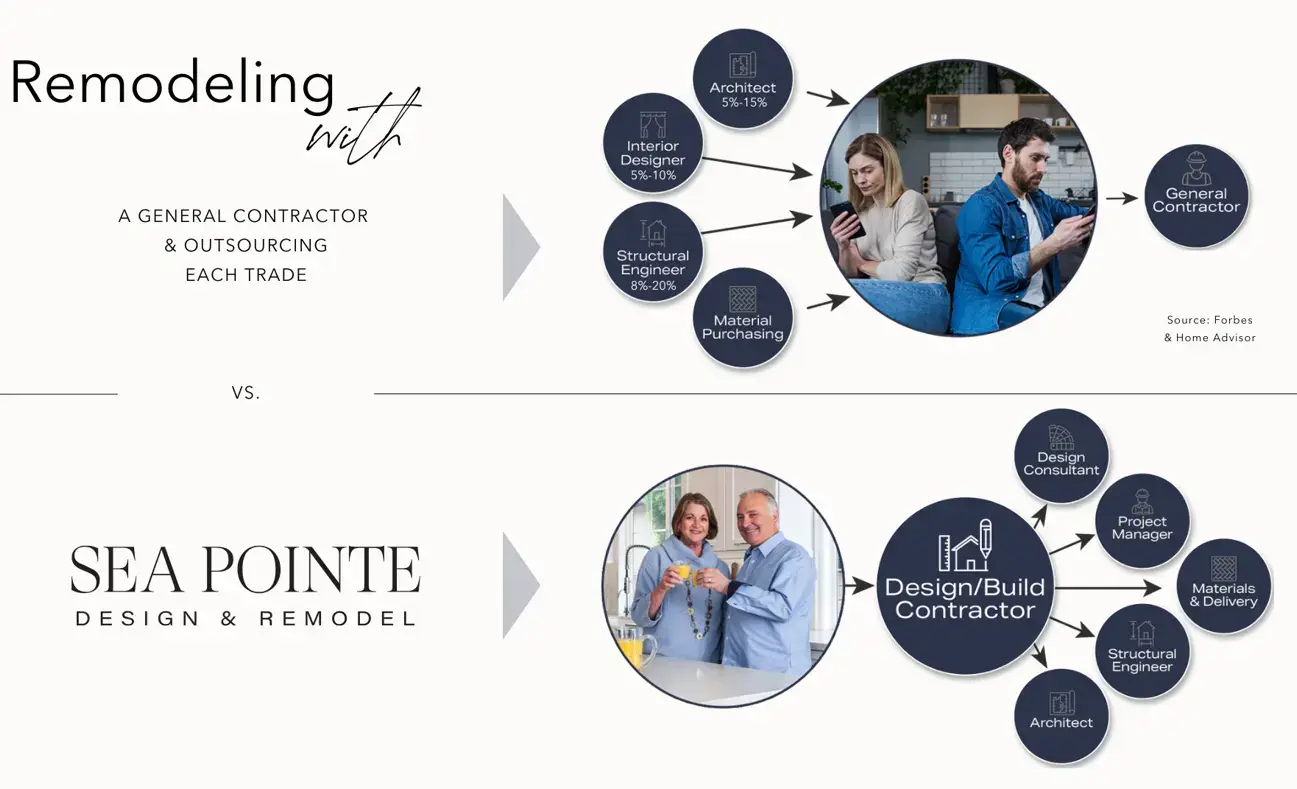
Working with a Design-Build firm keeps design and construction consistent from beginning to end: one point of contact, one contract, and no translation gap between what was drawn and what gets built.
Common Home Addition Types in Laguna Niguel
Laguna Niguel’s housing stock spans several decades and several distinct neighborhood characters. Hillside properties in areas like Beacon Hill sit on irregular lots with significant view potential but limited horizontal space. Inland neighborhoods offer more conventional suburban lots with different expansion options. The right addition type depends on the lot, the existing structure, and what the property can realistically support.
California Rooms
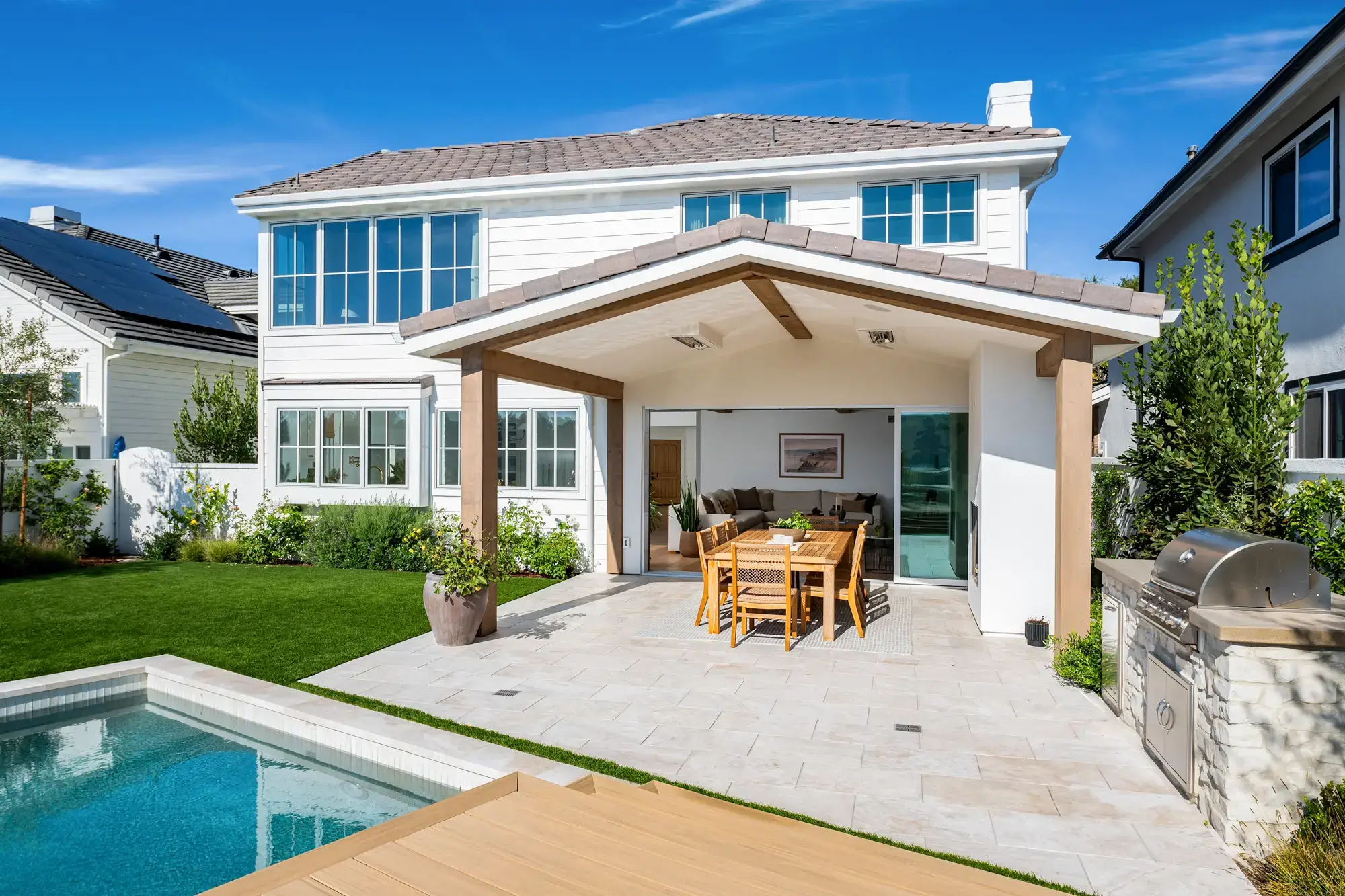
Laguna Niguel’s coastal proximity means outdoor living is viable for most of the year, and a covered outdoor living space is often one of the most practical investments a homeowner can make. A California room extends the home into the backyard without the structural complexity of a full room addition, adding usable square footage that works for both daily living and entertaining.
California room design in Laguna Niguel requires materials and proportions that tie back to the existing home. On hillside properties especially, the structure should feel like a deliberate extension of the home rather than an addition placed beside it.
Kitchen Expansions
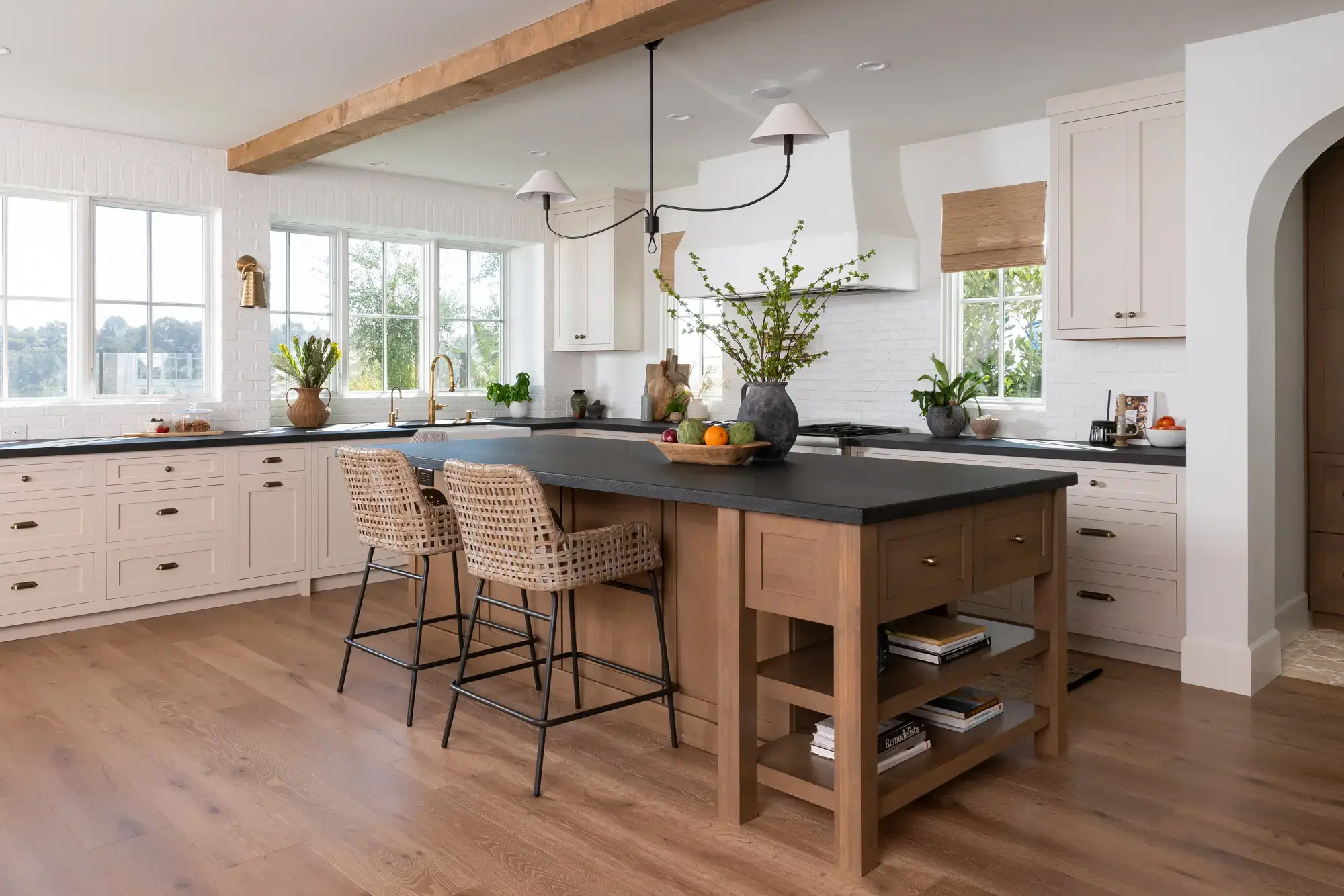
Expanding the kitchen is one of the most common addition types in Laguna Niguel’s older neighborhoods, where homes from the 1970s and 1980s were built with closed-off layouts that no longer suit how households live. Opening the kitchen into adjacent dining or living space, or pushing a wall outward, brings the floor plan in line with what current buyers expect and what today’s households need. The design work focuses on flow, light, and connection to outdoor entertaining areas.
Second-Story Additions
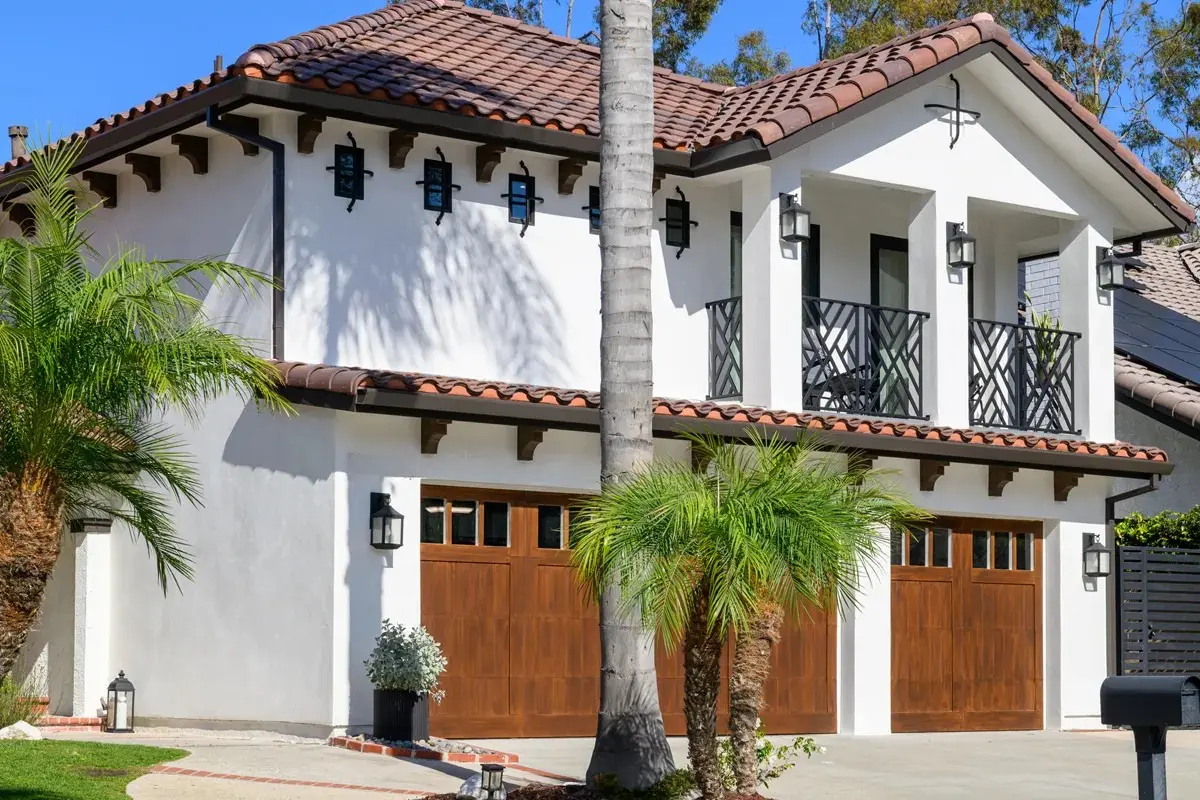
Second-story additions are among the most requested projects in Laguna Niguel, particularly on hillside lots where a second floor can unlock ocean or canyon views that are inaccessible from the ground level. Done well, a second story adds meaningful square footage, typically bedrooms, a primary suite, or a flex room, while maintaining a streetfront elevation that reads as one coherent home.
Structural requirements on hillside lots are more complex than on flat suburban sites. Soil conditions, slope, and the existing foundation all affect what the structure can support. A Design-Build team evaluates these conditions internally rather than routing the homeowner through a separate structural engineer.
Design Considerations Before Moving Forward
The design phase is where an addition either succeeds or gets compromised. Material choices, spatial proportions, and how a new room connects to the existing home are all decisions that are far easier to get right before construction begins than after.
Visualizing the Finished Space
Understanding what a finished addition will look like before walls are opened is one of the clearest advantages of working with an experienced design team. Sea Pointe’s design workshops and webinars give homeowners a structured way to explore design decisions before making a commitment.
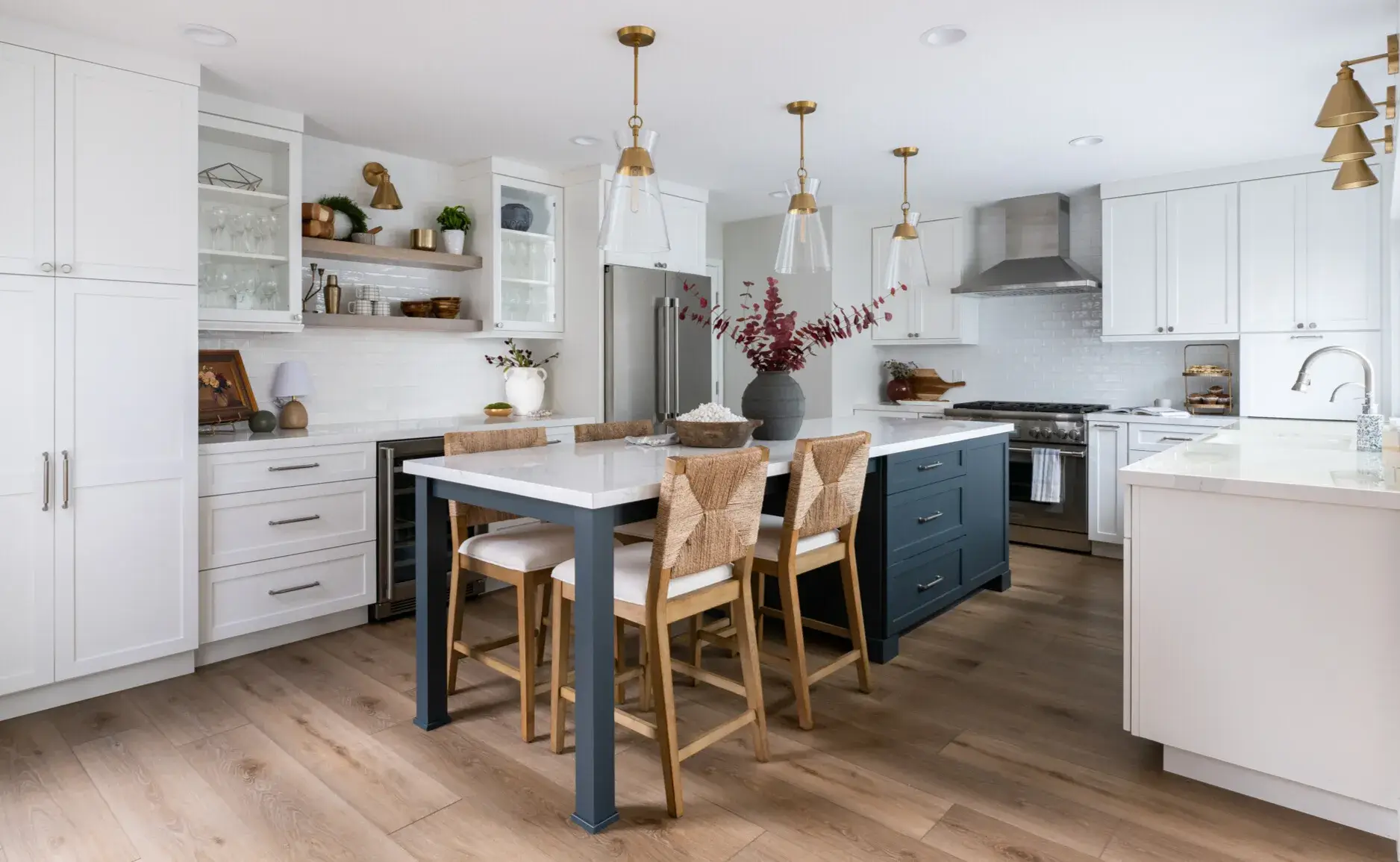
When considering home additions, prospect-refuge theory offers a useful frame for understanding why some outdoor spaces feel immediately comfortable while others don’t. The principle is straightforward: people are drawn to environments that combine open sightlines with a sense of enclosure. A backyard that offers only open exposure feels exposed; one that offers only enclosure feels closed off. The balance between the two is what makes a space feel right to spend time in.
Communicating Your Vision
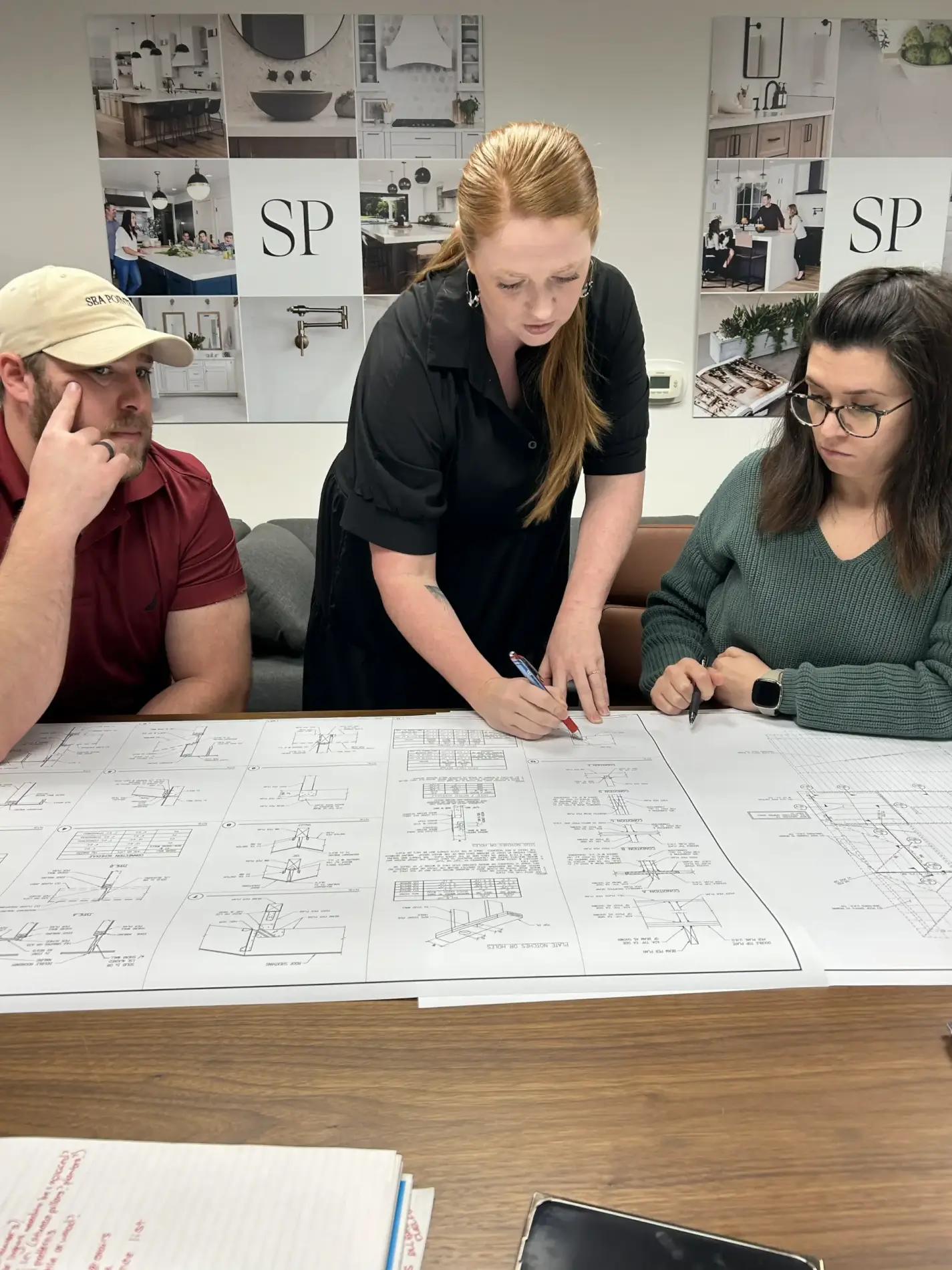
Most homeowners arrive at a design conversation with a general sense of what they want but limited language for describing it. That gap is normal, and bridging it is part of what the design phase is for.
Bringing reference images, noting rooms or homes that feel right to you, and being specific about how you use a space day-to-day gives a designer the concrete input needed to develop a direction that fits your household rather than a generic floor plan.
Visiting a Design Showroom in Orange County

Seeing materials in person changes the decision. A design showroom is where homeowners can evaluate cabinetry, countertops, tile, and finish options alongside each other before anything is specified. For Laguna Niguel homeowners working within a neighborhood where consistency with the existing home matters for both aesthetics and resale, reviewing options in person before committing to a specification is worth the trip.
Bridging Design and Construction
The strongest additions use exterior materials that match or clearly complement the existing home. Rooflines should integrate rather than collide, and interior finishes carry through consistently so there is no visible seam between old and new.
In Laguna Niguel, where neighborhoods range from custom hillside properties to consistent tract-home communities, the integration standard varies by location. Hillside additions require particular care. A structure that reads as an organic part of a hillside home looks very different from one that appears to have been placed on top of it.
Keeping Design and Construction Aligned
When design and construction are split between two separate teams, decisions made on the jobsite start to diverge from what was drawn, and those gaps show in the finished product. A Design-Build firm keeps the same team accountable from the first sketch through the final walkthrough, which is what prevents small field decisions from accumulating into something that looks and feels different from what was planned.
Budgeting Without Compromising the Design
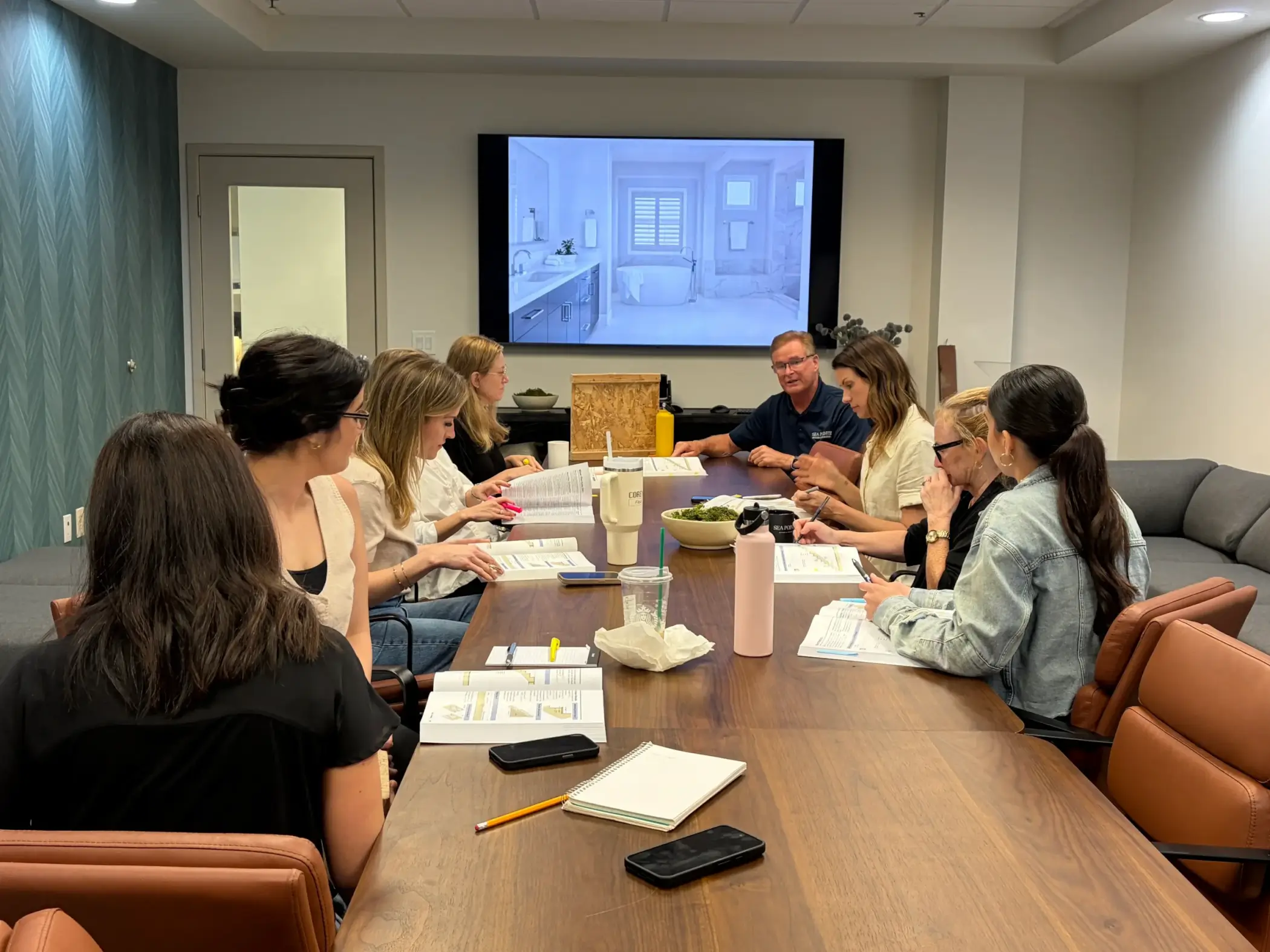
Sea Pointe’s value engineering approach identifies scope decisions that protect design quality while keeping the project realistic. On hillside properties, where structural complexity adds cost, this might mean sequencing the project to complete the second-story addition first and defer a deck or California room to a later phase, or selecting a stone finish that achieves the right look without carrying a premium price.
Working With Sea Pointe in Laguna Niguel

Sea Pointe has earned Best of Houzz Design and Service Awards for twelve consecutive years and was named Best Kitchen/Bath Remodeling Specialist by the Orange County Register’s Best of Orange County 2024. The firm has worked with Laguna Niguel homeowners as part of its South Orange County practice for over 40 years.
If you’re considering an addition in Laguna Niguel, a complimentary consultation at the showroom or at the property is the right first step. Sea Pointe’s team will evaluate the home, outline what the project realistically involves, and give you a sound basis for making an informed decision.
What should home addition designers in Laguna Niguel prioritize first?
The existing home’s architecture and site conditions should drive every early decision. Before any new square footage is designed, a designer should evaluate rooflines, exterior materials, interior flow, structural conditions, and, on hillside lots, slope, soil, and view orientation. In Laguna Niguel, those early decisions determine whether the finished addition captures the property’s potential or leaves it unrealized.
How does a second-story addition work on a hillside lot in Laguna Niguel?
Hillside lots require more thorough structural evaluation than flat suburban sites. Soil conditions, slope, and foundation type all affect what the structure can support and how the addition needs to be engineered. This evaluation happens during the design phase, before permits are pulled or construction begins. A structural engineer’s assessment is part of Sea Pointe’s design process.
How is Design-Build different from hiring an architect and contractor separately?
With a traditional approach, an architect designs the project and a separate contractor bids and builds it. The homeowner coordinates between them. With a Design-Build firm, both functions are handled by one team under one contract. This reduces scope surprises, keeps design and construction budgets aligned, and gives the homeowner a single point of accountability throughout.
What does a home addition in Laguna Niguel typically cost?
With 58% of homeowners in 2026 preferring upgrades over moving, according to recent industry data, additions have become one of the most active segments of Orange County’s remodeling market. Costs in Laguna Niguel vary too much by lot type, scope, and structural complexity to quote a reliable range without a project evaluation. Hillside properties typically carry higher structural costs than flat lots, and that needs to be factored into scope decisions made during the design phase. Sea Pointe provides all-inclusive pricing once the scope is defined.
Does Sea Pointe handle permitting for additions in Laguna Niguel?
Yes. Permitting is part of the design-build process. Once the design is finalized, Sea Pointe prepares and submits the permit application with the required drawings. Homeowners don’t manage this step independently.
When is the right time to contact a design-build firm?
Before you’ve fully formed your plans, not after. Homeowners who engage a team early get more value from the design phase, because scope, feasibility, and budget can all be shaped together before any direction is locked in. Sea Pointe’s initial consultation is complimentary.