
California Room Additions in Orange County | Enjoy the California Sun Year-Round
What transforms an underutilized outdoor space into a year-round living area that captures Southern California’s best qualities? California rooms blend indoor comfort with outdoor connection, creating spaces that work through every season while extending how your Orange County home actually functions.
These additions differ from traditional sunrooms or enclosed patios. They incorporate heating and cooling systems, proper insulation, and architectural integration that makes them feel like natural extensions of your home rather than obvious afterthoughts. The result is usable square footage that capitalizes on Orange County’s temperate climate without the limitations of purely outdoor spaces.
Design-Build firms experienced with California room construction understand how to navigate the specific requirements these projects face: energy code compliance for conditioned space, structural integration with existing homes, and design review standards that ensure additions respect neighborhood character. This integrated approach prevents discovering permit complications or structural limitations after design investment.
Key Features That Define California Rooms
Abundant natural light through floor-to-ceiling windows, skylights, or glass doors that create visual connection to yards and gardens. This glazing distinguishes California rooms from standard additions while requiring careful specification for energy performance.
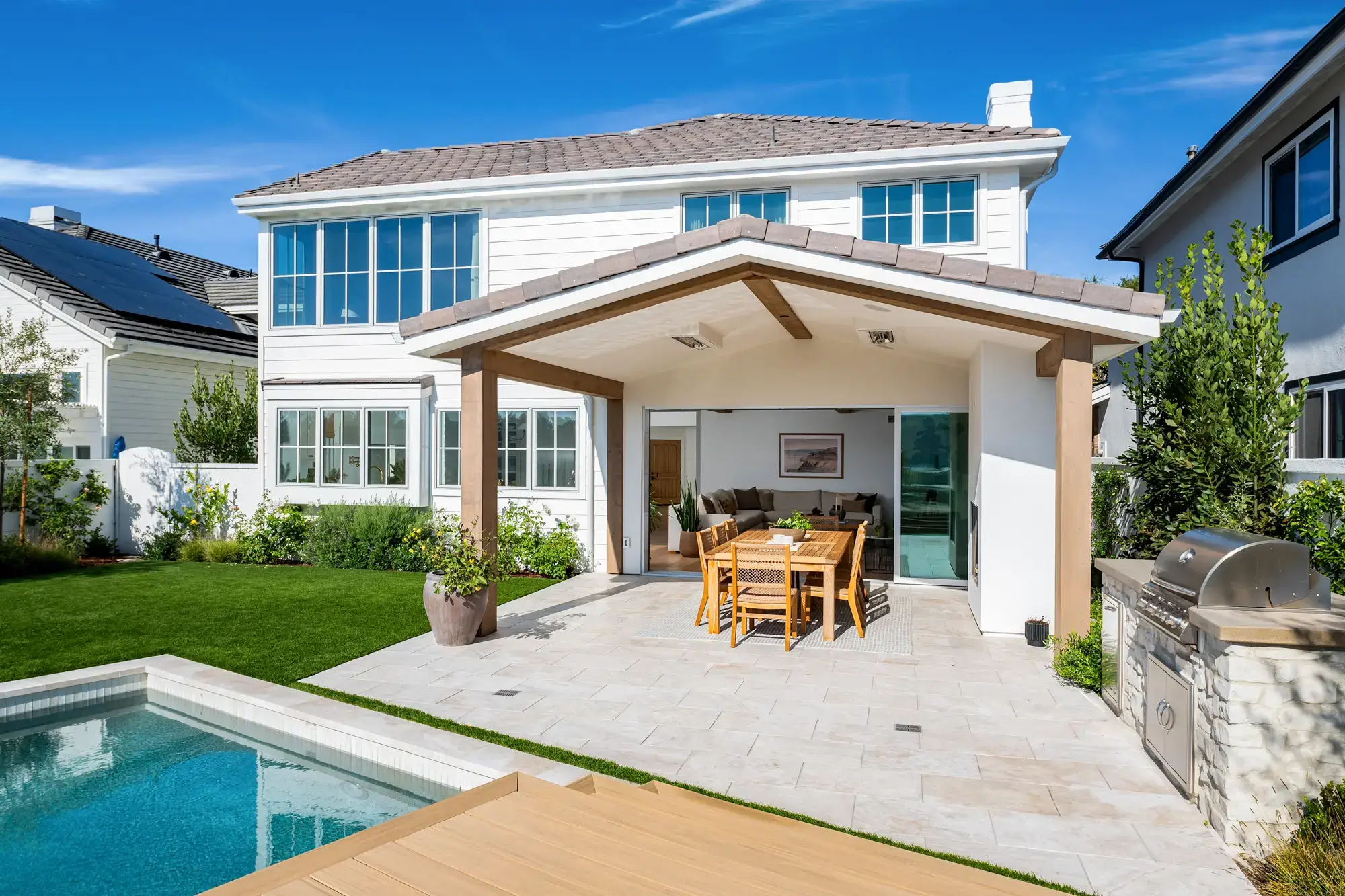
Climate control systems extend your home’s heating and cooling into the addition, making the space comfortable during August heat waves and January evenings. This integration requires proper insulation and energy-efficient glazing to meet California’s Title 24 energy standards.
Architectural integration ensures additions look like original home components rather than obvious attachments. Roofline continuity, material coordination, and proportional relationships all contribute to seamless integration.
Indoor-outdoor transitions through large sliding or folding door systems that open the California room to patios, decks, or gardens. This flexibility allows the space to feel open during perfect weather while remaining protected when conditions turn less favorable.
How California Rooms Serve Orange County Households
California rooms expand usable square footage for daily family life and social gathering. They function as casual living areas, dining spaces, or entertainment zones that feel more relaxed than formal interior rooms while offering protection standard outdoor patios cannot provide.
Families use California rooms for morning coffee with garden views, weekend breakfast with doors open to yards, and evening entertaining that extends naturally into outdoor spaces. The flexibility to adjust climate and openness means the space adapts to both intimate family moments and larger social gatherings.
Home Office with Natural Light
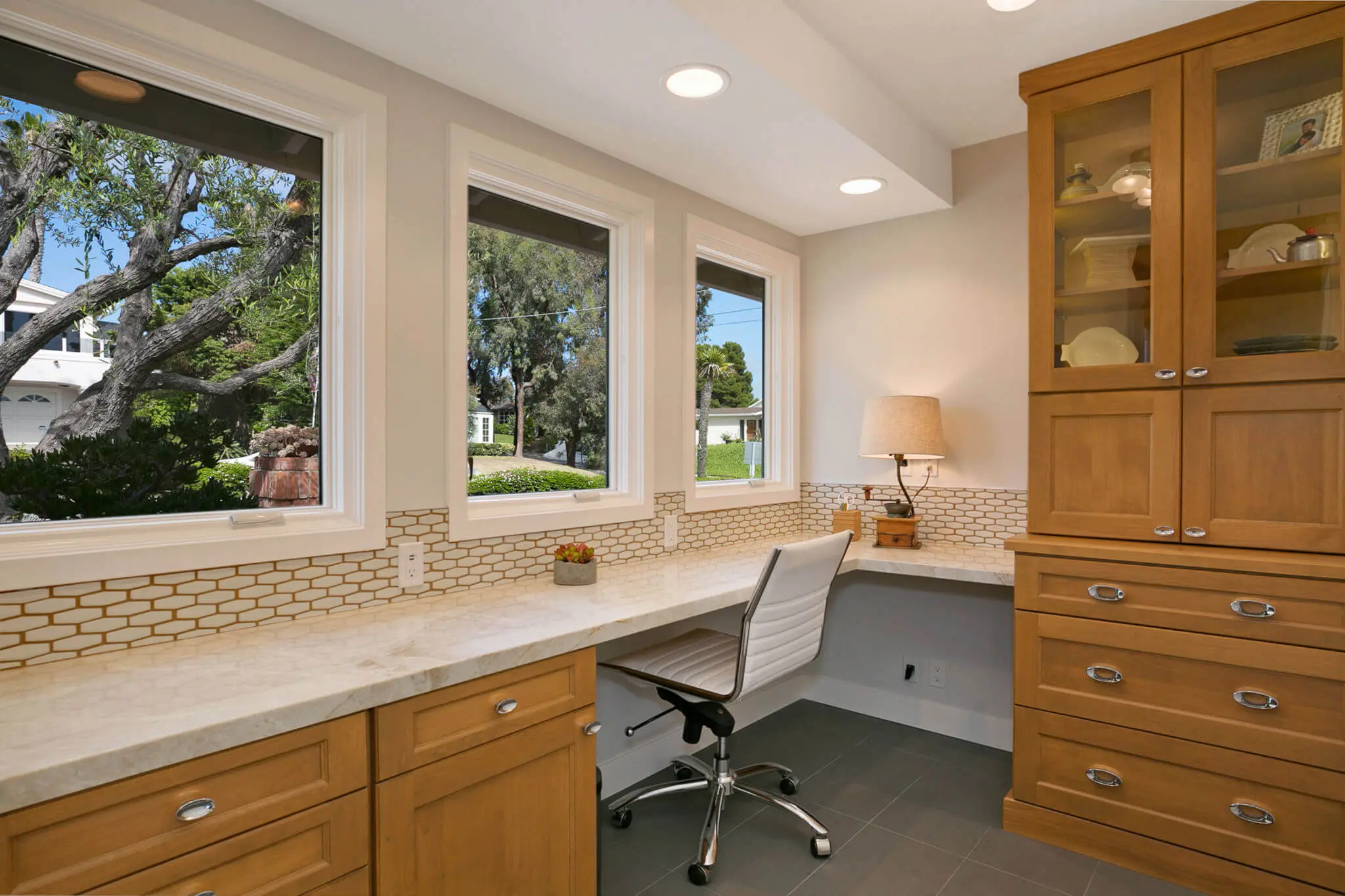
Remote work arrangements make dedicated office space valuable, and California rooms offer advantages standard home offices cannot match. Natural light throughout the day reduces eye strain and improves focus. Views of gardens or landscaping create calming environments that support concentration. Physical separation from main household activity provides acoustic isolation without complete disconnection from family.
The abundant glazing that defines California rooms also requires thoughtful placement to prevent screen glare. Architect-quality design positions workspaces to maximize natural light while controlling direct sun exposure on monitors and work surfaces.
Flexible Guest Quarters

California rooms can serve as comfortable guest accommodations without the permanence of dedicated bedrooms. Murphy beds or sleeper sofas transform entertainment spaces into overnight quarters when needed. Proximity to existing bathrooms or incorporation of powder rooms provides convenience. Privacy from main household areas makes guests feel accommodated without imposing.
This flexibility suits households that occasionally host family but don’t want dedicated guest rooms sitting empty most of the year. The California serves daily household needs while adapting to accommodate visitors during holidays or special occasions.
Dining with Garden Views
Breakfast nooks, casual dining areas, or formal dining spaces benefit from California room settings. Natural light throughout meals creates pleasant dining environments. Views of landscaping or outdoor features enhance the experience. The ability to open walls to outdoor spaces during perfect weather extends the dining area naturally.
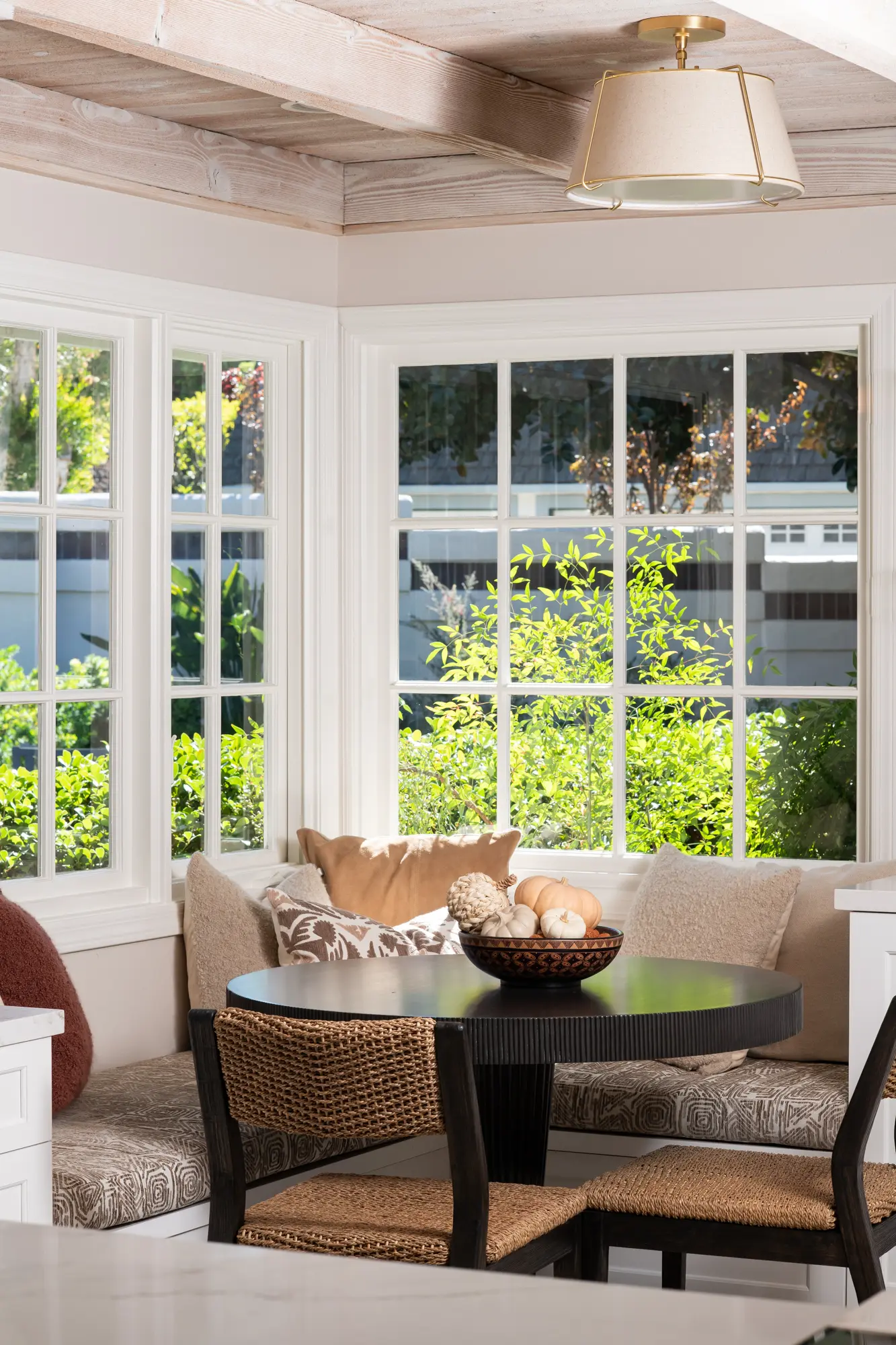
For whole home remodels that reorganize interior space, California rooms often replace formal dining rooms that rarely see use, creating flexible spaces that serve multiple purposes while maintaining the ability to host dinner parties.
Planning California Rooms for Orange County Climate
Orientation and Sun Exposure
Southern California’s intense sun requires thoughtful orientation. South-facing California rooms capture maximum natural light but need careful shading strategies to prevent overheating. West-facing orientations maximize afternoon and evening sun but face the harshest solar gain. North-facing rooms provide consistent, indirect light ideal for home offices but may feel cooler.
East-facing California rooms capture pleasant morning sun without afternoon heat intensity. Understanding your property’s orientation and how you’ll actually use the space shapes intelligent design decisions about glazing placement, shading devices, and door configurations.
Material Selection for Durability
Orange County’s coastal proximity in some areas affects material longevity. Curated material selection accounts for salt air exposure in coastal communities, UV intensity from abundant sunshine, and temperature cycling that affects material stability.
Window and door hardware requires corrosion-resistant finishes. Exterior materials need UV-stable coatings or inherent fade resistance. Flooring materials should tolerate temperature variations and potential moisture from doors opening to outdoor spaces.
Structural and Design Considerations
Foundation and Structural Integration
California rooms must integrate structurally with existing homes rather than functioning as attached but separate structures. This integration affects foundation design, roof connections, and how loads transfer between original construction and new additions.
Existing foundation capacity requires evaluation to confirm it can support additional loads from California room construction. Hillside properties need geotechnical assessment to evaluate soil stability. Understanding these requirements during design prevents discovering limitations after plans are finalized.
Roof Design and Weather Protection
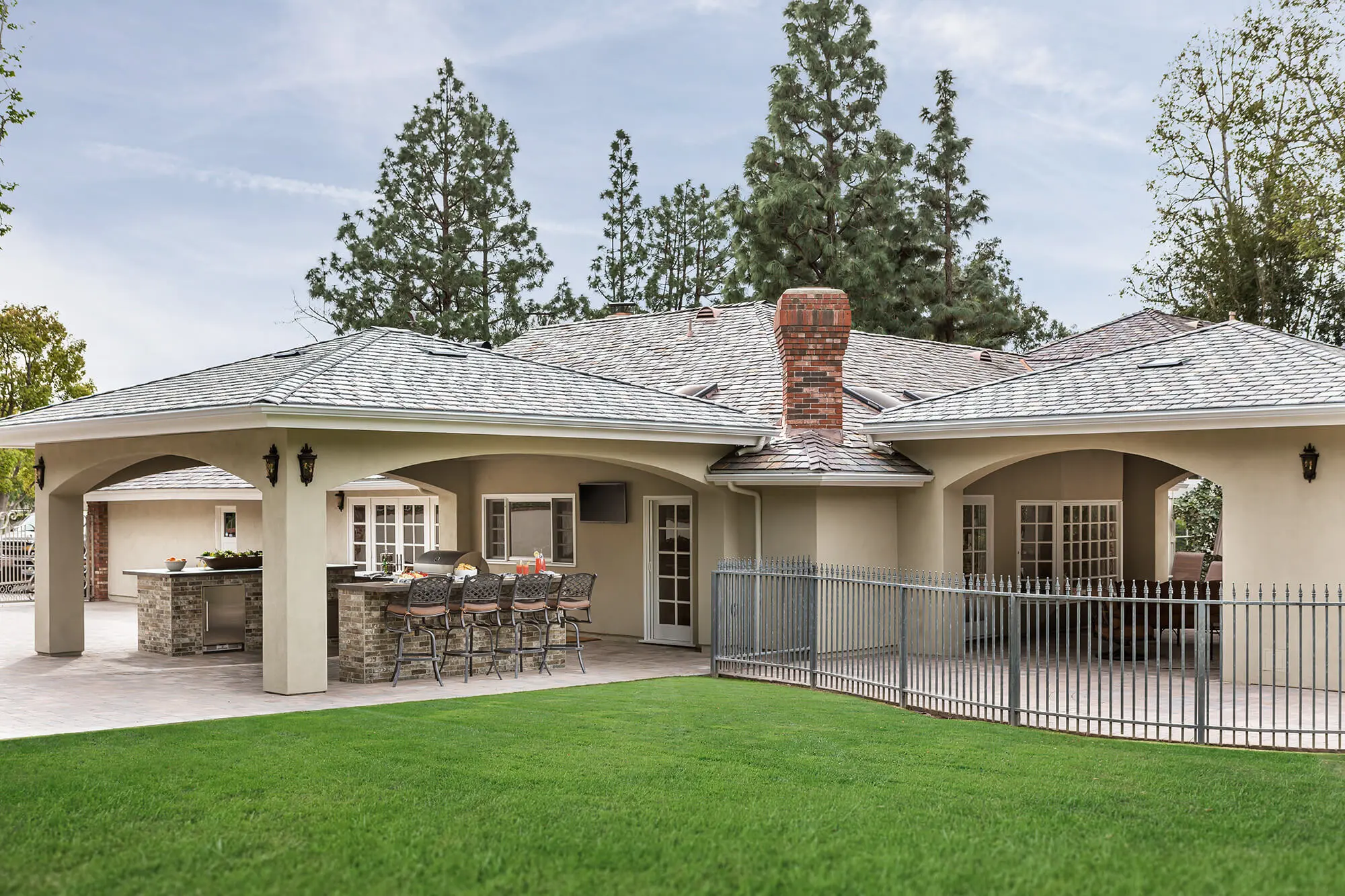
California room roofs must shed water properly, integrate with existing rooflines, and support glazing systems that provide natural light. Flat or low-slope roofs require different waterproofing strategies than conventional pitched roofs. Skylights need proper flashing and drainage to prevent leaks.
The roofline relationship to the main house affects both weather performance and architectural integration. Additions that create awkward valleys where water pools or roof penetrations that compromise weather barriers require careful detailing to prevent problems.
Door and Window Systems
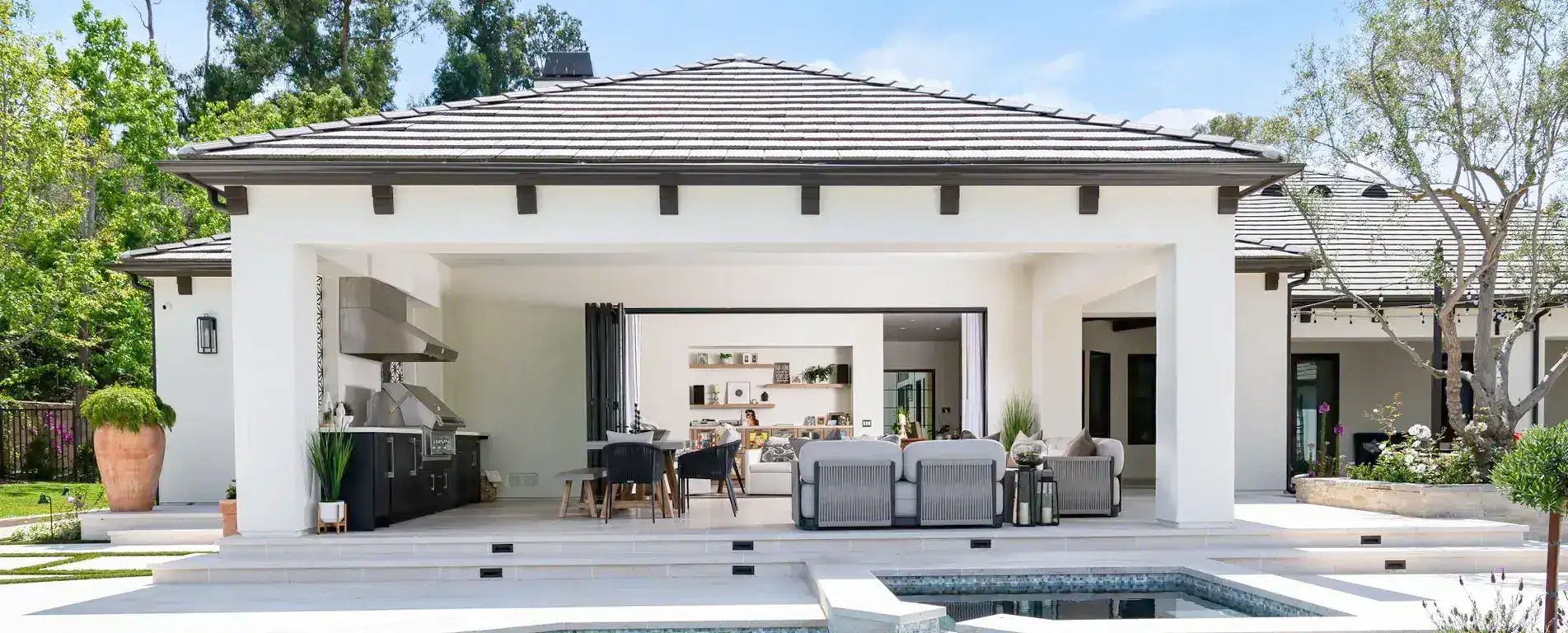
Large sliding or folding door systems that open California rooms to outdoor spaces represent significant investments requiring careful specification. Track systems must operate smoothly over years of use. Weather sealing must prevent air infiltration and water intrusion. Glass specifications must balance views with energy performance.
Multiple manufacturers offer different systems with varying performance characteristics, price points, and aesthetic qualities. Understanding these differences during design ensures selections that serve both functional requirements and budget constraints.
California Room Design Styles
Contemporary Coastal
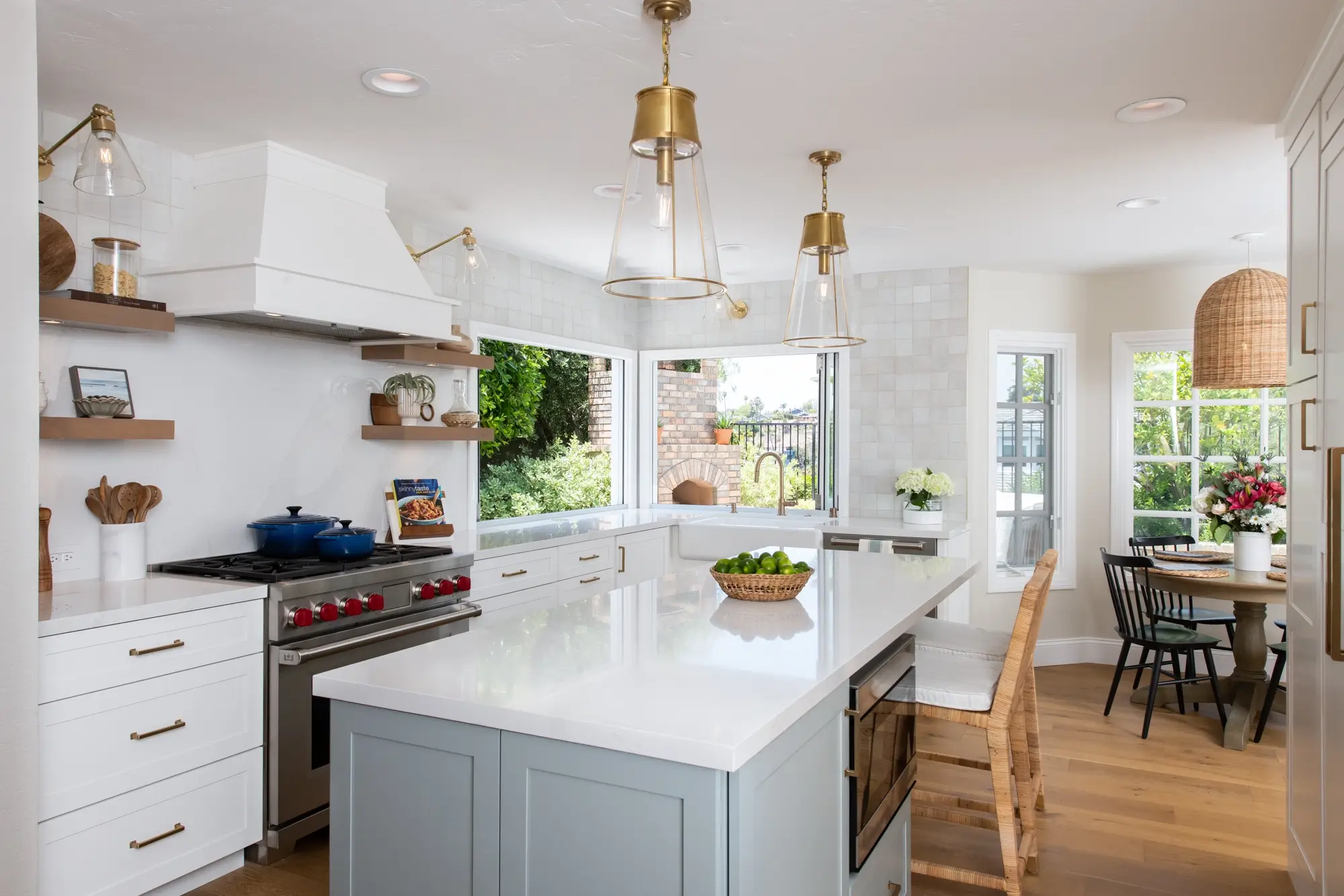
Clean lines, abundant glass, and minimal ornamentation define contemporary coastal California rooms. Neutral color palettes, natural materials, and seamless indoor-outdoor transitions create sophisticated spaces that feel appropriate for Orange County’s beach communities.
Large glass panels, steel-framed doors, and simple roof forms characterize this approach. Material selections emphasize durability and low maintenance while maintaining refined aesthetics.
Spanish Mission Revival
For homes with Spanish mission or Mediterranean heritage, California rooms can incorporate architectural elements that maintain stylistic consistency. Clay tile roofs, stucco finishes, arched openings, and wrought iron details create additions that feel original rather than contemporary insertions.
This approach requires attention to proportional relationships, authentic material specifications, and details that respect historical precedent while accommodating modern comfort systems.
Transitional Integration
Many Orange County homes blend traditional and contemporary elements. California rooms in these settings balance clean, modern glazing systems with traditional materials and details that coordinate with existing architecture.
This approach creates additions that feel current without conflicting with established home character. Thoughtful material selection and detail coordination make transitions between old and new feel intentional rather than awkward.
Thoughtful Furniture for California Living
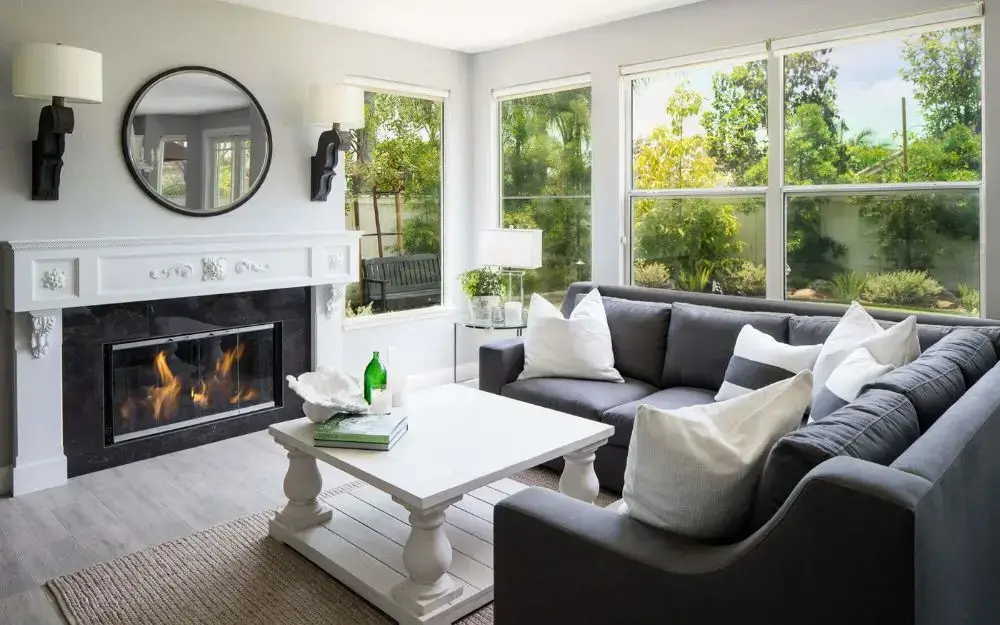
California rooms see temperature variations greater than standard interior spaces. Upholstery fabrics should resist fading from UV exposure. Wood furniture may require occasional adjustment as humidity levels fluctuate seasonally.
Window treatments provide shade control and privacy while accommodating large glazing expanses. Motorized shades offer convenient operation for high or hard-to-reach windows. Material selections should withstand sun exposure without degrading.
Starting Your California Addition Project
When you’re ready to explore California room possibilities for your Orange County home, Sea Pointe’s team evaluates your property’s specific opportunities and constraints, translates your goals into designs that satisfy energy codes and architectural requirements, and coordinates the entire process from initial concept through final completion.
The conversation begins by understanding how you want to use added space, what outdoor areas might accommodate additions, and how a California room can enhance your home’s livability while respecting Orange County’s climate and your community’s distinctive character.
How much do California room additions cost in Orange County?
California room costs vary based on size, materials, scope, and finish quality. Extensive glass door systems, high-performance glazing, and climate control integration affect pricing. Design-Build provides comprehensive estimates including permits, engineering, and energy code compliance rather than discovering costs incrementally.
Do California rooms require special permits?
Yes. California rooms require building permits that evaluate structural adequacy, energy code compliance, and safety requirements. Many Orange County communities also require design review for additions that modify exterior appearance. Coastal properties may need California Coastal Commission approval. Design-Build teams familiar with local requirements navigate these processes efficiently.
Can additions in California be used year-round?
Yes, when properly designed and equipped. Heaters make for warmer game nights outside and ceiling fans help cool down the space during those hot summer days. High-performance glazing and proper insulation make climate control efficient. This year-round usability distinguishes California rooms from three-season rooms or unheated sunrooms.
How do additions differ from sunrooms?
Rooms integrate with your home’s architecture and climate control systems rather than functioning as separate enclosed porches. They meet full building code and energy code requirements for conditioned space. Sunrooms often use pre-fabricated systems with limited customization, while California rooms receive custom design that coordinates with existing home character.
Will an addition increase home value in California?
Well-executed California room additions typically increase home value by expanding usable living space in desirable ways. Return on investment varies based on your room addition quality, how well it integrates with home character, and local market conditions. Architect-quality design and proper construction ensure additions enhance both livability and resale appeal.