
Corona Del Mar Interior Designers | Design-Build for Sophisticated Living
How do you improve a home that you already love? The challenge isn’t starting from scratch. It’s knowing which changes will genuinely elevate the space and which ones will only add noise to something that already has a clear point of view.
The Design-Build approach keeps design intent and construction together from the beginning, which means decisions stay grounded in what will actually work rather than what looks appealing in isolation.

What Separates Design from Decoration
There’s a meaningful difference between a home that has been decorated and one that has been designed, and it’s easier to feel than to describe.
A decorated home has considered finishes, attractive furniture, and carefully chosen objects. A designed home has all of that, but the rooms also work. They flow in a way that feels natural. Moving from one space to the next doesn’t require a conscious adjustment, as the proportions will feel settled from the get go.
That distinction comes down to decisions that happen before any material is selected. Key structural choices are the foundation that everything visible sits on, and they’re far more consequential than any finish selection.
Professional interior design in Corona Del Mar starts at that foundational level. The aesthetic decisions, stone selections, cabinetry profiles, and lighting fixtures follow from a clear understanding of how the space is being used and what it needs to do better. When that order is reversed, the result often looks right in photographs but feels off in reality.
How the Design Process Actually Unfolds
For homeowners approaching a significant interior project, understanding how professional design work proceeds can make the process feel less daunting and more like a genuine collaboration. It doesn’t begin with a mood board or a tile selection. It begins with a conversation about how the home is currently used and where it falls short.
That functional audit shapes everything that follows. Which rooms carry the most daily activity? Where does crowding or inefficiency create friction? How does the household move between spaces, and where do those paths break down? These questions inform layout decisions, which in turn inform material choices, which finally inform finish selections. The sequence matters because changing a layout decision late in the process costs significantly more than resolving it on paper during planning.
Budget frameworks are established during that early phase as well, which gives homeowners a clear picture of cost implications before committing to any direction. This is also where value engineering creates real advantage.
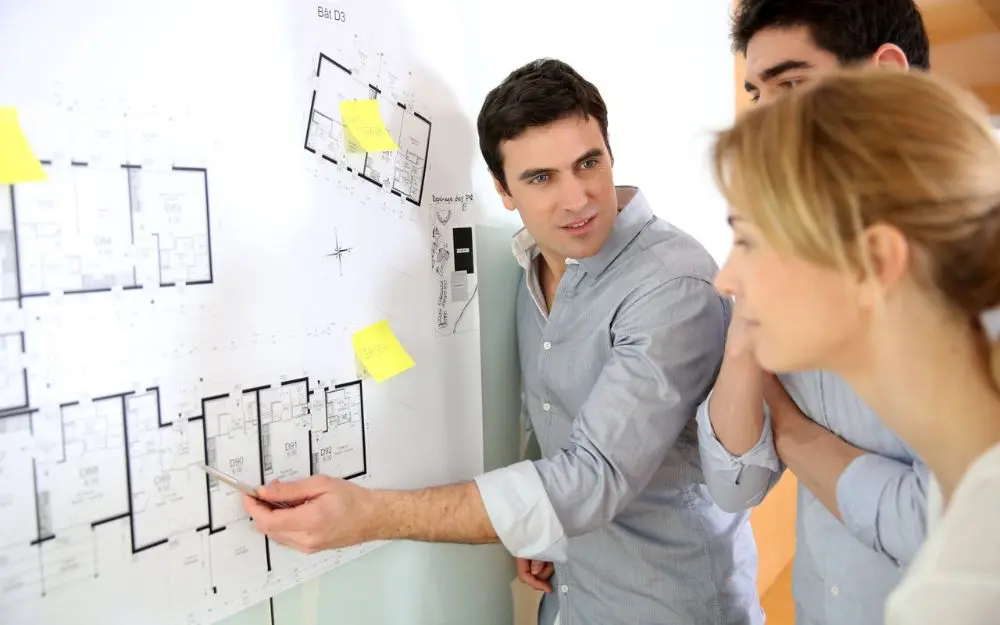
When construction expertise is present in the design conversation from the beginning, it becomes possible to identify where material substitutions or structural simplifications reduce cost without affecting how the finished space looks and feels. The goal is always to spend where it matters most and find efficiency where it doesn’t.
Spaces Where Design Thinking Has the Most Impact
Not all rooms respond equally to professional design attention. In Corona Del Mar homes, a few spaces tend to define the experience of the entire property, and the decisions made in those rooms ripple outward into how the rest of the home feels.
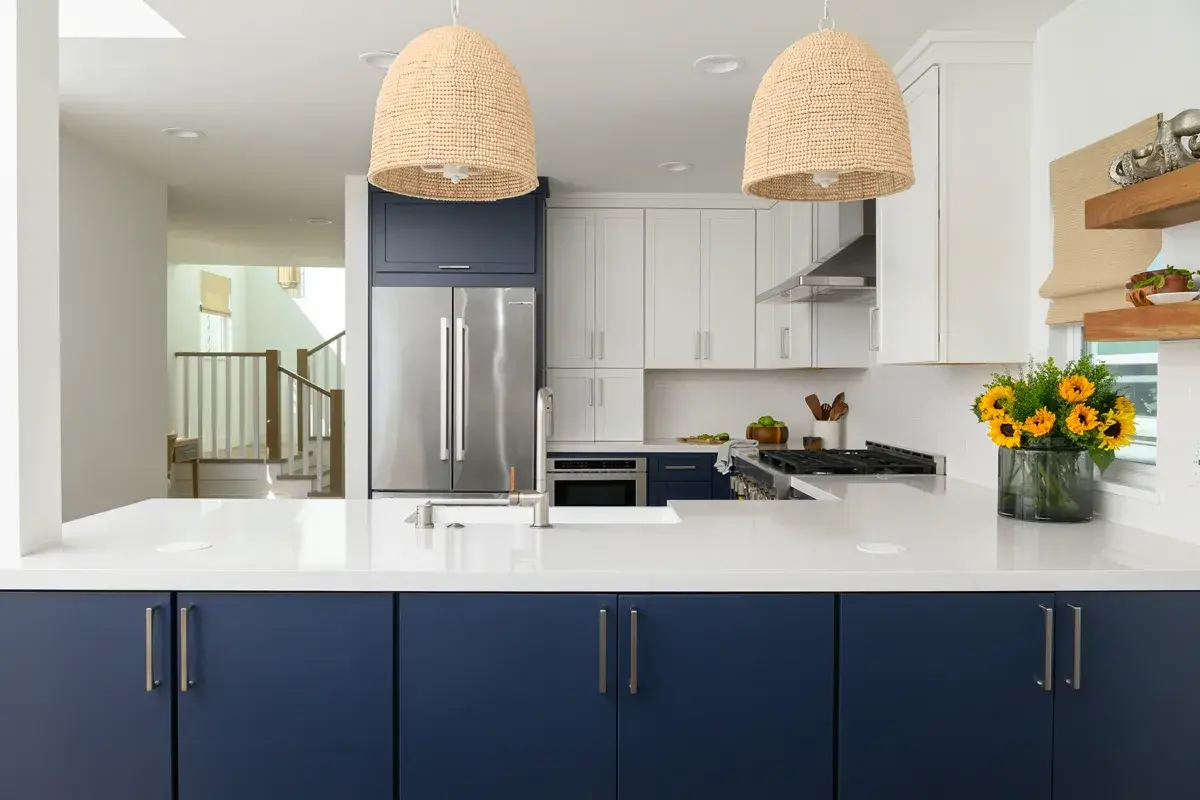
Kitchens are typically the most complex. Kitchen remodeling at a professional level involves layout decisions around workflow, storage hierarchy, and how cooking, dining, and gathering relate to each other. An island that functions as a true social surface requires different proportions than one that primarily provides counter space.
Primary bathrooms reward design thinking in similar ways. The difference between a bathroom that feels like a retreat and one that merely functions lies in layout clarity, natural light management, and the relationship between the shower, vanity, and storage. Fixture placement, mirror sizing, and the way surfaces interact under the specific light conditions of the room all contribute to a result that either feels considered or assembled.
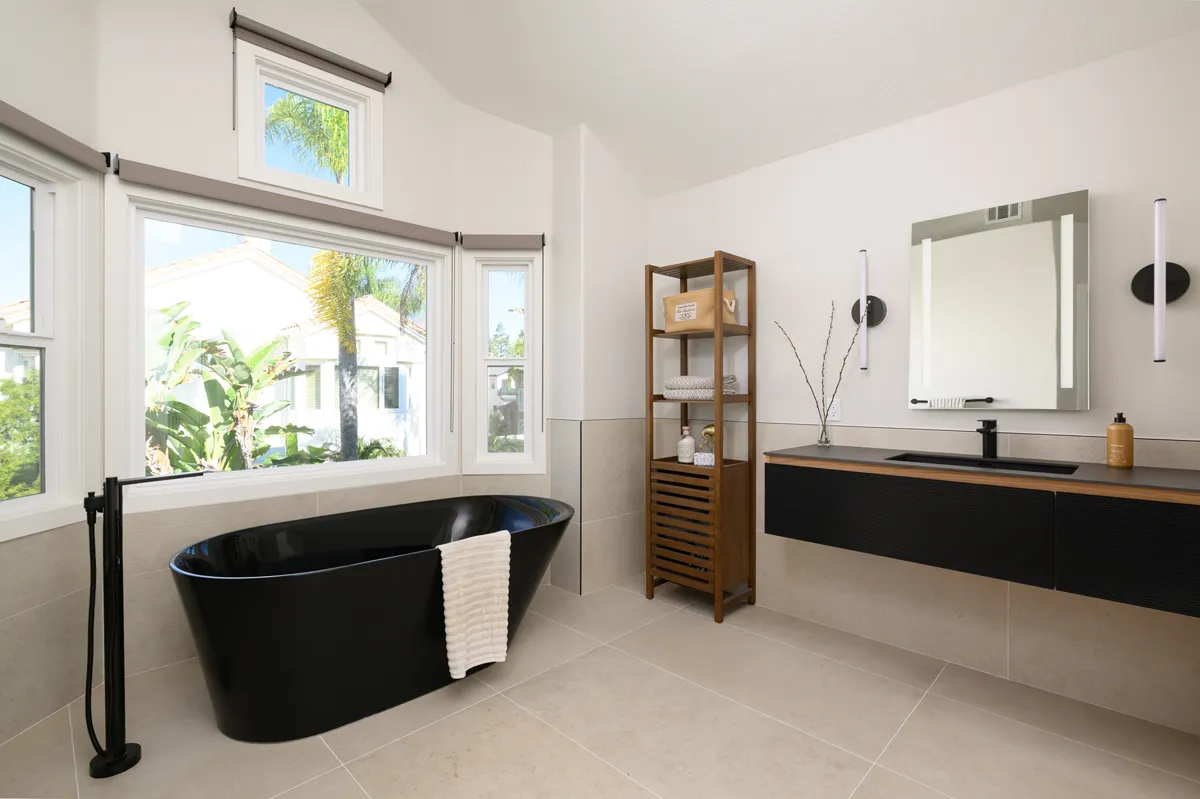
Living areas and primary suites are where spatial proportion and material quality become most visible. In rooms where people spend extended time, the ceiling height, furniture scale, and the way natural light moves through the day affect comfort in ways that are felt rather than consciously noticed. Getting those conditions right creates rooms that feel genuinely restorative rather than simply attractive.
For Corona Del Mar homes specifically, indoor-outdoor transitions often define the character of the property as much as any interior space. The relationship between living areas and exterior terraces, the way door systems open to allow light and air to move through, and the continuity of materials between inside and outside all shape how the home is experienced during the months when the boundary between the two dissolves almost entirely.
What Corona Del Mar Asks of Interior Design
Corona Del Mar has a design character that resists easy categorization. The village’s Cape Cod cottages, the bluff-top contemporaries, the renovated mid-century homes tucked into canyon streets, each carries a different architectural logic. What they share is a relationship to natural light and ocean proximity that shapes how interiors need to be approached.
The neighborhood also carries a quiet expectation of quality and restraint. Interiors that feel overdesigned or trend-dependent tend to age poorly here, while spaces built around proportion, material integrity, and genuine functionality remain relevant across years and changing tastes. The design philosophy that fits Corona Del Mar is one that prioritizes longevity over novelty, which aligns closely with how Sea Pointe approaches every project regardless of location.
Working with Sea Pointe on Your Corona Del Mar Interior
The Design-Build model changes the interior design experience in ways that matter most during the decisions that have real cost and construction implications. When designers and builders work within the same team, a material selection that seems straightforward on paper gets evaluated immediately for how it installs, how it performs over time, and whether it fits within the established budget framework. That integration prevents the disconnect that often develops between what a designer envisions and what a contractor can deliver.
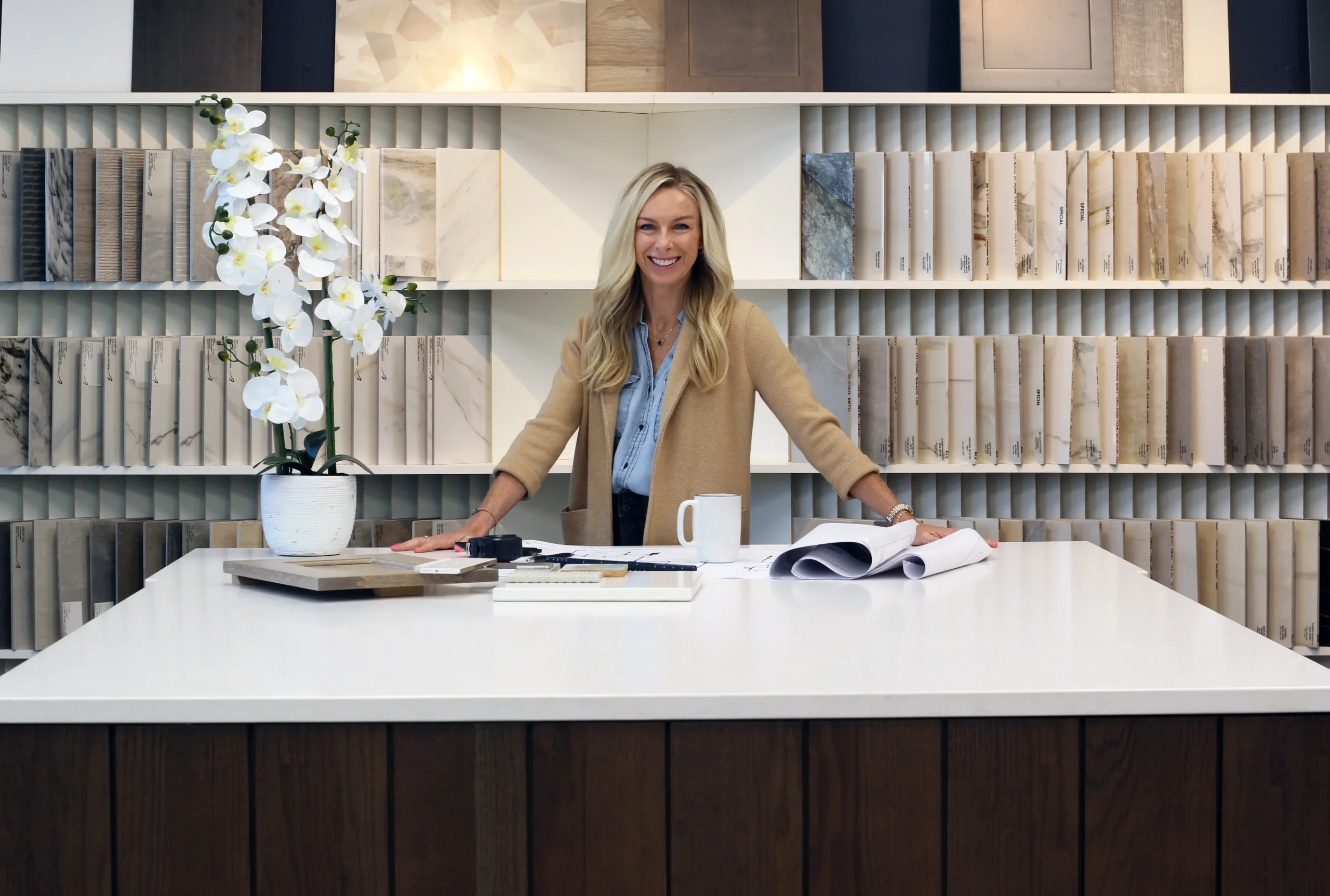
Sea Pointe’s showroom in Irvine provides a physical environment for evaluating materials, finishes, and design directions before committing to them. Seeing stone surfaces, cabinetry profiles, and hardware options under real lighting conditions, alongside other elements they’ll share a room with, produces more confident decisions than digital research or catalog selection alone. The showroom staff can speak to both design implications and construction realities, which keeps those conversations connected rather than separate.
For homeowners whose scope is more focused, REVIVE by Sea Pointe addresses targeted interior updates with the same design and construction coordination that larger projects receive. Whether the project is a single room or a whole-home remodel, the process remains structured around the same principles: function first, materials selected with full awareness of how they’ll perform, and budget clarity established before work begins.
Sea Pointe has earned consistent recognition for this integrated approach, including being voted Best Kitchen and Bath Remodeling Specialist in the Orange County Register’s Best of Orange County awards and receiving Best of Houzz Design and Service Awards for twelve consecutive years. More context on that recognition is available through Sea Pointe’s media features and awards.
Explore What’s Possible for Your Corona Del Mar Home
A showroom visit is the most productive first step for most homeowners. It provides a tangible sense of material quality, design direction, and how different elements work together in three dimensions, well before any formal decisions need to be made. Sea Pointe’s Irvine showroom is designed specifically for that kind of exploratory conversation.
From there, the project portfolio offers a useful look at completed work across a range of project types and scales. When you’re ready to discuss a specific direction, contact us to schedule a consultation with our design team.
Sea Pointe Design & Remodel has worked with Orange County homeowners for over 40 years, bringing the design discipline and construction expertise that sophisticated interiors require.
Is hiring an interior designer worth it, or can I handle selections on my own?
For surface-level updates, many homeowners navigate selections successfully on their own. For projects that involve layout changes, structural decisions, or multiple rooms that need to feel cohesive, professional design guidance tends to prevent the costly missteps that come from making finish choices before functional ones are resolved. The value is clearest when the decisions are interdependent.
When in the process should a designer get involved?
As early as possible, ideally before any layout or structural decisions have been finalized. Design decisions made after construction are significantly more expensive to change than ones resolved during planning. Bringing design expertise into the earliest conversations is what keeps the project from spending money correcting decisions that could have been made right the first time.
What's the difference between a refresh and a full remodel, and how do I know which I need?
A refresh updates surfaces and finishes within an existing layout that’s fundamentally working. A remodel addresses the layout itself, and how space is distributed. If you’re unhappy with how a room looks, a refresh may be sufficient. If you’re unhappy with how it functions or flows, the layout is likely the real issue, and surface changes won’t resolve it.
How does Design-Build make the design process different from hiring a designer and contractor separately?
When design and construction are managed by separate parties, there’s an inherent gap between what gets designed and what gets built. Changes discovered during construction require negotiation between two separate contracts. In a Design-Build model, that gap closes because both disciplines are in the same room from the beginning. Budget implications of design decisions are understood in real time, and adjustments happen within the team rather than across separate agreements.
Ready to bring your Corona Del Mar home to the level it’s capable of? Contact Sea Pointe Design & Remodel to schedule your consultation.