
Costa Mesa Home Addition Builders | Expanding Your Living Space with Design-Build Excellence
What does it mean to expand a home thoughtfully in a city that’s always reinventing itself? Costa Mesa sits in an interesting position in Orange County. It has the creative energy of a city that attracts designers, artists, and independent thinkers, alongside established residential neighborhoods that have housed families for generations. Ranch homes, mid-century bungalows, and newer infill construction exist within blocks of each other, each with its own architectural logic.
Adding space in that context requires more than a floor plan. It requires understanding what the existing home is doing architecturally and how new construction can extend that language rather than contradict it. The Design-Build approach makes that kind of integrated thinking possible by keeping design and construction in the same conversation from the beginning.

In a city with as much architectural variety as Costa Mesa, care and execution is what separates a room addition that enhances a home from one that simply enlarges it. Sea Pointe Design & Remodel has served Orange County homeowners for over 40 years, building additions that connect to existing homes with enough care that the seam between old and new becomes invisible.
Why Costa Mesa Homeowners Expand Rather Than Relocate
Costa Mesa occupies a position in Orange County that’s genuinely difficult to replicate. It sits between the coast and the freeway corridor in a way that gives residents access to Newport Beach, the South Coast Plaza area, and a walkable arts and dining scene that few Orange County cities can match. For households that have built their routines around that location, leaving means giving up more than square footage.
The more useful question is usually whether the existing home can be made to support how life has actually evolved. Families grow in unpredictable directions. Work habits shift, parents age and new accommodations are needed. A home addition addresses these problems without requiring the household to start over somewhere else.
There’s also a practical dimension. Costa Mesa’s housing stock, particularly its mid-century ranches and post-war bungalows, tends to sit on lots with real expansion potential. Many of these homes were built conservatively relative to what the lot could support, which means there’s often more room to work with than homeowners may initially assume.
Common Addition Types in Costa Mesa
Costa Mesa’s residential fabric supports a range of home addition types. Some homeowners need a private retreat separated from shared living areas. Others want to open the home’s social center and connect it more directly to outdoor space. Vertical additions work well on lots where outward expansion is limited, and self-contained living spaces address the multigenerational arrangements that many households are navigating.
Primary Suite Additions

Primary suite additions create a private zone within the home that functions on its own terms. Bedroom, bathroom, and closet connect into a deliberate sequence that sits apart from the home’s shared circulation without feeling disconnected from it.
In Costa Mesa’s ranch-style homes, where original layouts often concentrated all bedrooms along a single hallway, a suite addition can fundamentally change how the home is experienced day to day. Layout decisions around acoustic separation, natural light, and storage configuration shape the result as meaningfully as any finish selection.
Kitchen and Family Room Expansions
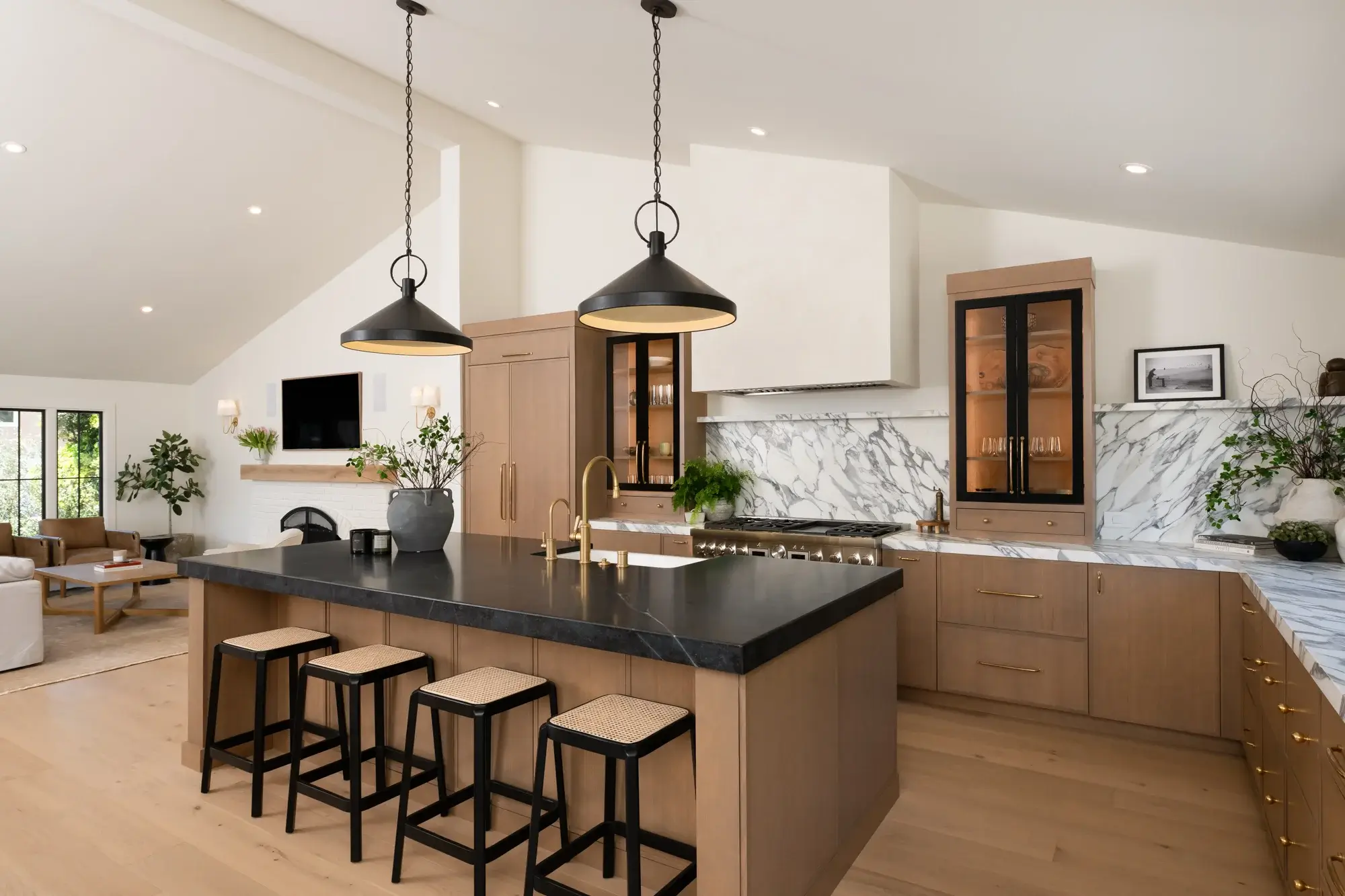
Kitchen expansions often do their best work when they open the home toward outdoor space. Extending into a yard or patio, incorporating large sliding or folding door systems, and creating covered transition zones allows cooking, dining, and gathering to move between inside and outside in a way that suits Orange County’s climate year-round.
Combined with family room additions, these projects can reorganize the entire social center of the home. The result is often a connected indoor-outdoor environment that changes how the household uses the space, not just how much of it there is.
Second-Story Additions
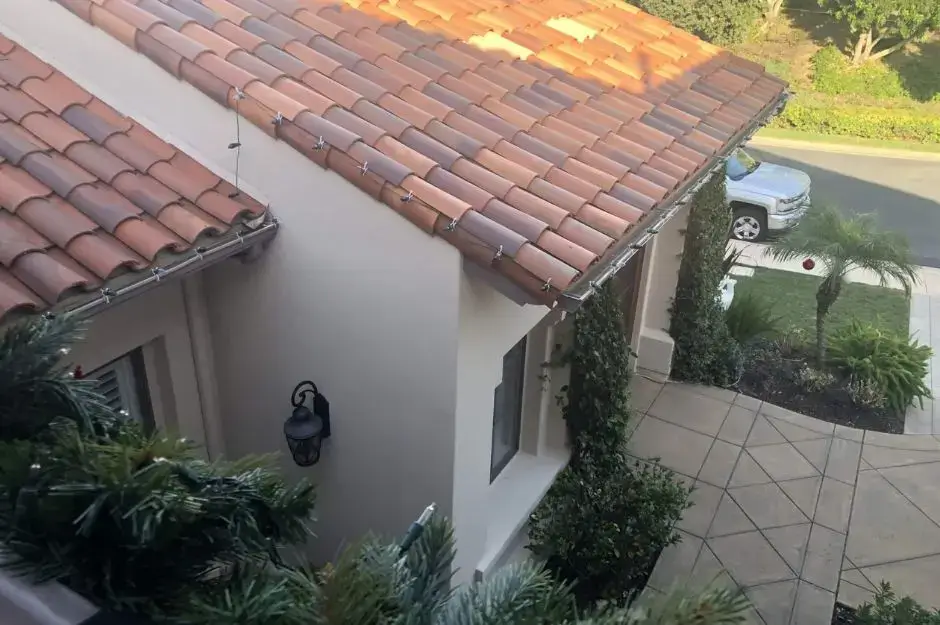
Second-story additions maximize square footage without reducing yard or outdoor area, which makes them a practical option on smaller Costa Mesa lots. The structural requirements are significant. Existing foundations and framing must be assessed before vertical expansion is feasible, and those engineering realities shape what design can accomplish.
Upper-level spaces often capture better light and offer more privacy from street-level activity. They work well for additional bedrooms, dedicated home offices, or flexible rooms that serve different purposes as the household’s needs evolve.
California Rooms
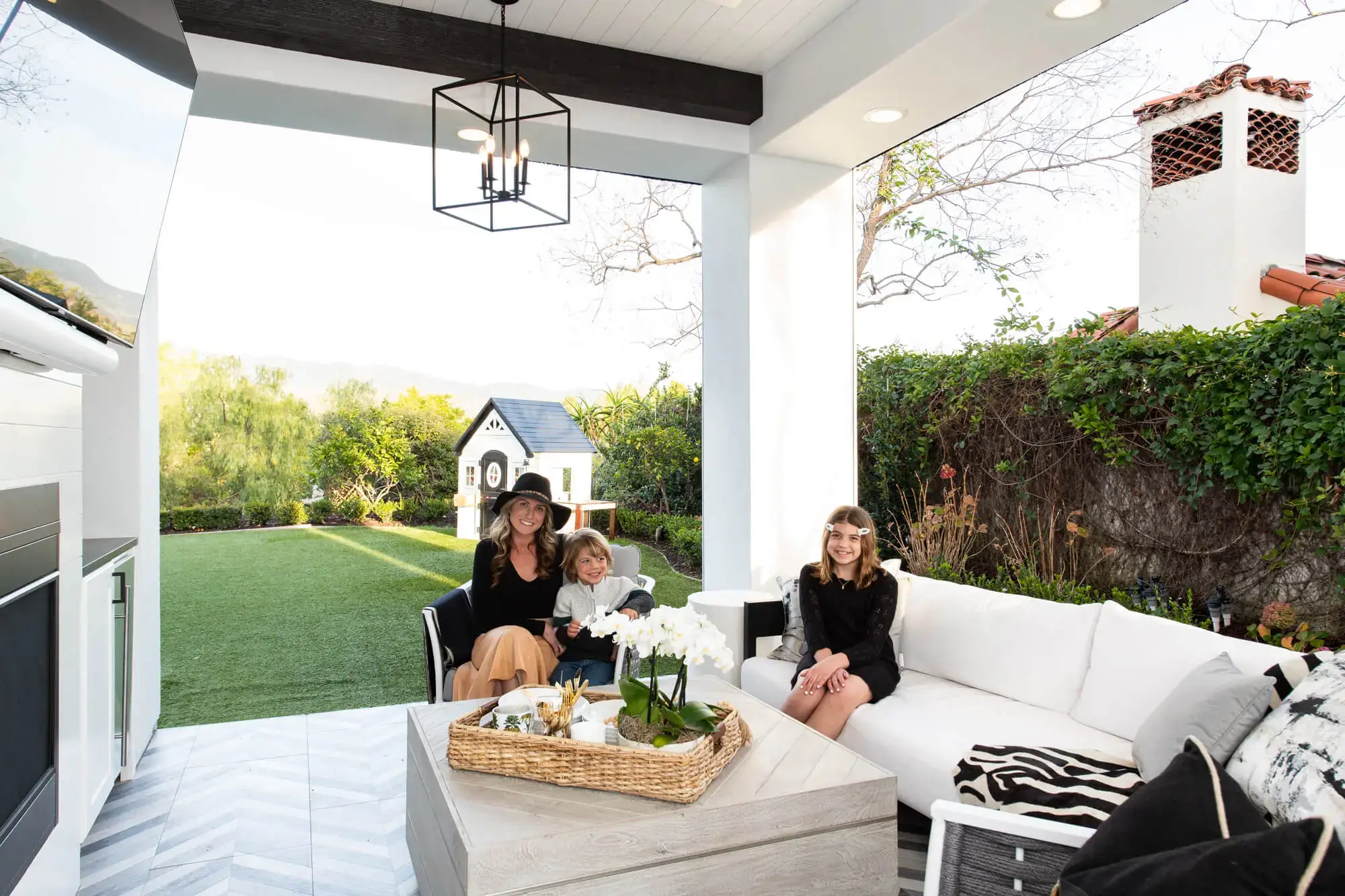
Positioned at the boundary between indoor and outdoor living, California Rooms demand far less structural intervention than conventional additions while meaningfully increasing the home’s day-to-day functionality. Homeowners frequently connect them to high-traffic areas like the kitchen, family room, or primary suite, turning what might otherwise be an occasional-use patio into a regularly enjoyed extension of the home.
Planning Your Costa Mesa Home Addition
Productive planning begins with the existing home rather than with the addition. Early consultations in a Design-Build process explore how the household currently moves through the space, where friction or crowding occurs, and what the daily schedule suggests about how new rooms would actually be used. Starting from that understanding leads to additions that solve real problems rather than adding space that doesn’t connect to how the home functions.
Space planning focuses on how new and existing areas will relate. Circulation paths, ceiling height transitions, daylight patterns, and the way rooms connect to each other all determine whether an addition feels integrated or grafted on. These questions are most efficiently resolved during design, where changes are relatively inexpensive compared to what they cost once construction has begun.
Material selection involves matching aesthetic preferences to practical performance. In Costa Mesa, proximity to the coast means some exterior materials are more durable than others under salt air and UV exposure. Understanding those trade-offs early prevents selections that require more maintenance than expected or age inconsistently alongside the existing home.
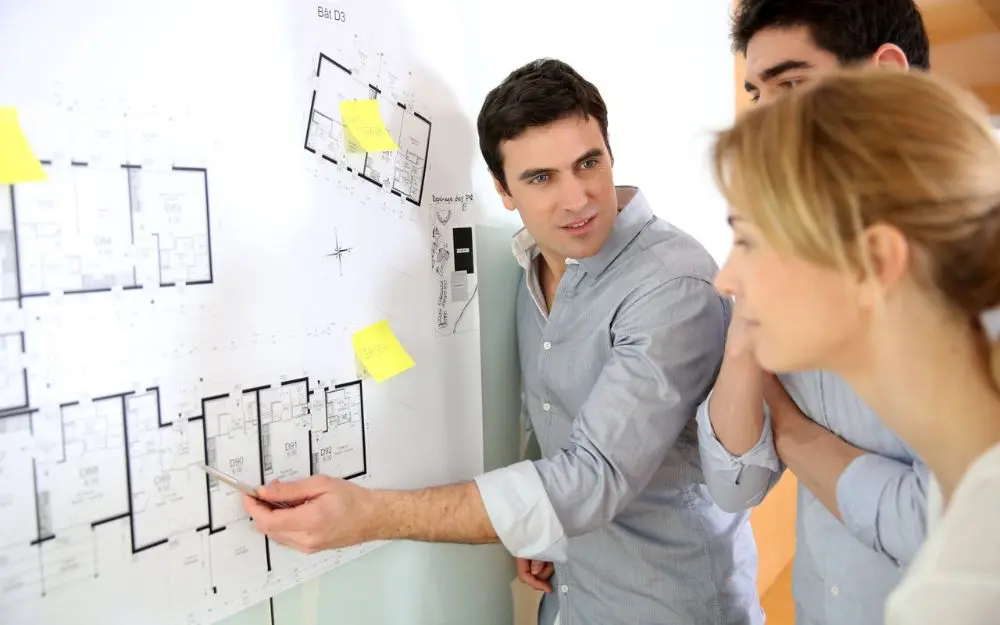
Budget frameworks established during design give homeowners a complete picture of cost implications before committing to a direction. This structure supports value engineering throughout the planning phase, where construction expertise can be applied to identify simplifications that preserve design intent while reducing overall cost.
Selecting the Right Addition Builders
Choosing a home addition team involves more than comparing estimates. The relationship extends across months of planning and construction, which means communication style, decision-making processes, and how the team handles the unexpected matter as much as technical skill.
Portfolio review provides concrete evidence of how a team approaches integration. Look for completed additions of similar scale and complexity, and evaluate whether the work reads as seamless or obviously attached. Projects that hold up under that kind of scrutiny reflect a team that understands how design choices and construction decisions interact over the course of a project.
The Design-Build model creates unified accountability. One team manages both design vision and construction execution, which eliminates the dynamic where separate designers and builders interpret each other’s intentions independently. When something needs to change, the decision happens within the same organization, which keeps projects moving and minimizes the friction that tends to arise between separately contracted parties.
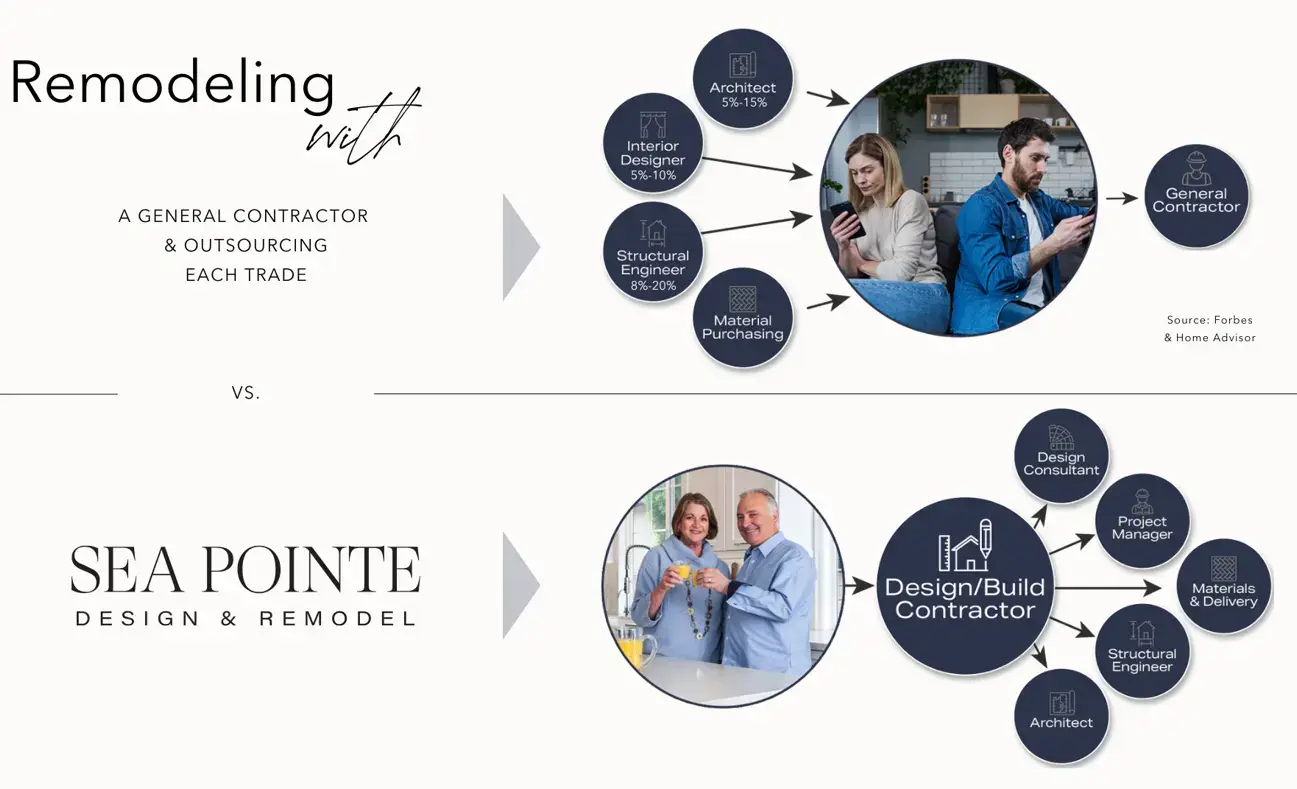
Sea Pointe has earned consistent industry recognition for this integrated approach, including being voted Best Kitchen and Bath Remodeling Specialist in the Orange County Register’s Best of Orange County awards and receiving Best of Houzz Design and Service Awards for twelve consecutive years. That track record spans different project types and neighborhoods across Orange County.
Begin the Process with Sea Pointe
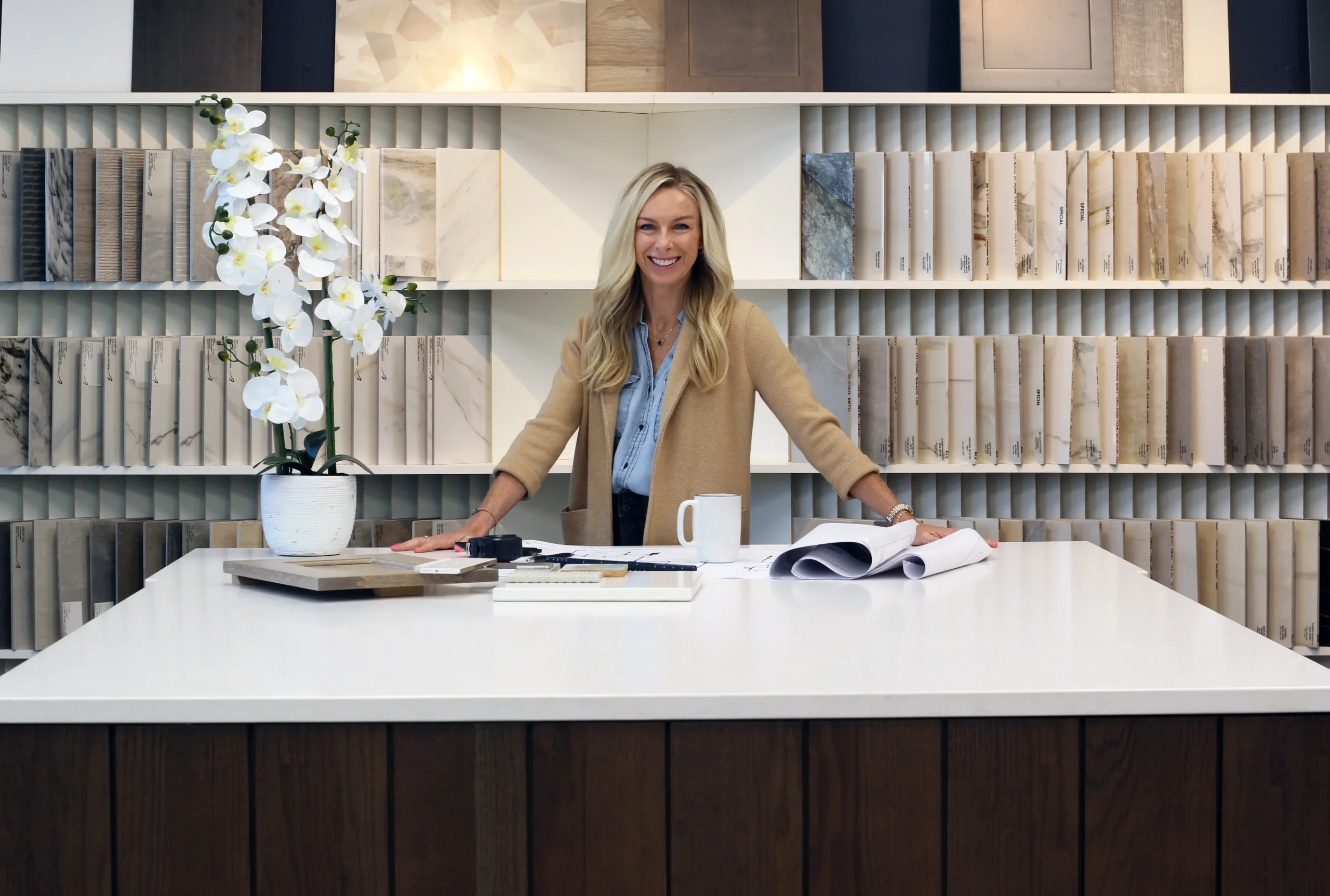
Sea Pointe’s showroom in Irvine offers a hands-on environment for exploring materials, finishes, and design directions before formal planning begins. Seeing actual installations in person, comparing options under real lighting conditions, and talking through how choices affect both appearance and budget provides clarity that digital research can’t replicate.
Whether you’re still forming an idea of what an addition might look like or ready to discuss specific plans, a showroom visit provides a useful starting point. Learn more about Sea Pointe’s Design-Build process, explore the project portfolio, or review media features and awards. When you’re ready to talk through your project, contact us to schedule a consultation at our Irvine showroom
Is adding on actually better than moving to a larger home?
For many Costa Mesa homeowners, the honest answer is yes, though not for purely financial reasons. The city’s location, between the coast and the cultural amenities of the South Coast corridor, is genuinely difficult to replicate elsewhere in Orange County. An addition lets the home grow without giving up the neighborhood, the routines, and the proximity that made the location worth choosing.
How do I know if what I need is an addition or just a remodel?
If the problem is how a space looks or functions, a remodel often addresses it. If the problem is simply that there isn’t enough room, an addition is the more honest answer. A Design-Build consultation can help identify which approach actually resolves the underlying issue rather than working around it.
What's the biggest mistake homeowners make when planning an addition?
Starting with what to build rather than understanding how the existing home works. New square footage that doesn’t connect logically to the home’s existing circulation and layout can feel disjointed even after construction is complete. The planning process should begin with how the household actually lives, not with a floor plan.
Will an addition look like it was added on?
That depends on the team and the process. Additions that read as original construction share rooflines, exterior materials, window proportions, and trim details that were selected to match rather than approximate. When design and construction are coordinated from the beginning, those decisions get made with full awareness of how the finished result will look from the street and from inside.
Ready to expand your Costa Mesa home in a way that feels intentional from the start? Contact Sea Pointe Design & Remodel to schedule your consultation.