
Home Addition Builders San Juan Capistrano | Design-Build Solutions for Timeless Homes
What makes a home addition feel at home in San Juan Capistrano? It’s a fair question in a city where Spanish Colonial architecture, adobe-style bungalows, and Craftsman influences exist side by side, each with a visual language built over generations.
Adding space to an established home here isn’t just a construction challenge. It’s a design challenge, one that requires understanding the character of what already exists before deciding what to build.
The Design-Build approach brings design and construction under a single coordinated team, which makes that kind of nuanced thinking possible from the very beginning. Rather than designing in one conversation and building in another, both disciplines inform each other throughout the process.
Why San Juan Capistrano Homeowners Choose to Add Rather than Move
San Juan Capistrano has a character that is difficult to replicate, one shaped by its historic mission, its equestrian neighborhoods, its walkable village center, and its proximity to the coast. Homeowners who have settled in here have often done so deliberately, drawn not just to a property but to a place.
A room addition preserves continuity in a way that relocation cannot. The nearby schools, established community relationships, and the daily rhythms that make a neighborhood feel like home all remain intact. What changes is the home’s ability to support the life already built around it.
What Professional Addition Work Actually Involves
Adding to a home in an established neighborhood is an exercise in integration. The most successful additions don’t announce themselves. They extend the existing architecture in ways that feel considered rather than expedient, matching not just materials but proportions, rooflines, window rhythms, and the way exterior surfaces age over time.
Structural continuity is part of that picture. Foundations or roof transitions aren’t just details that get resolved during construction – they get resolved during design, which is why the Design-Build model produces better outcomes.
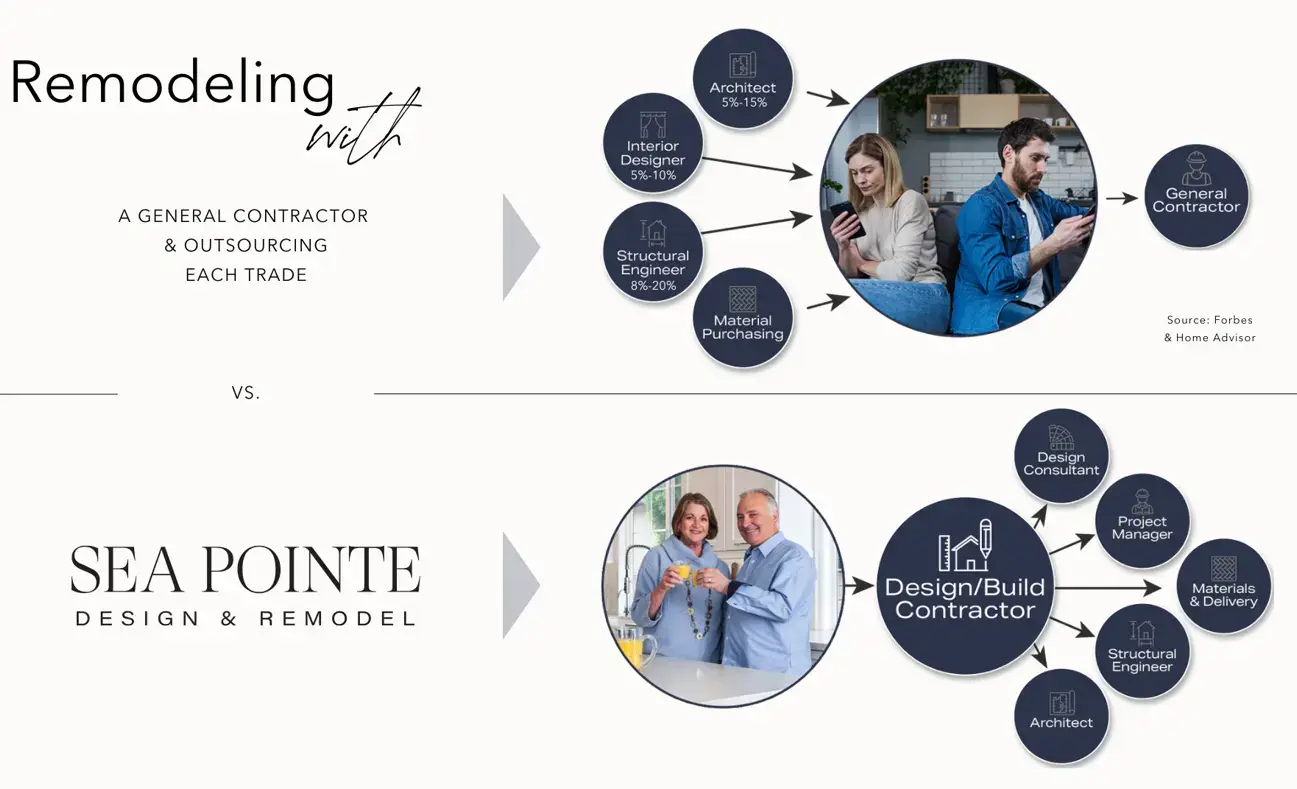
When designers and builders work within the same team, field decisions happen quickly. If a structural element requires rerouting a plan or adjusting a ceiling profile, the conversation stays internal. There’s no waiting for a separate designer to approve changes, and no friction between what was drawn and what can actually be built.
Budget clarity follows from the same logic. Detailed cost frameworks are established before construction begins, so homeowners understand what they’re committing to before demolition starts. This upfront structure also creates meaningful opportunities for value engineering, where construction methods can be optimized during design to reduce cost without changing the quality of the result.
Common Addition Types for San Juan Capistrano Homes
San Juan Capistrano homeowners expand their homes in several common ways, depending on how they want to improve daily living. Some additions create private retreats separated from shared spaces, while others open the main living areas for gathering and indoor-outdoor flow. Vertical additions add square footage without reducing yard space, and self-contained suites provide independent living for family or guests.
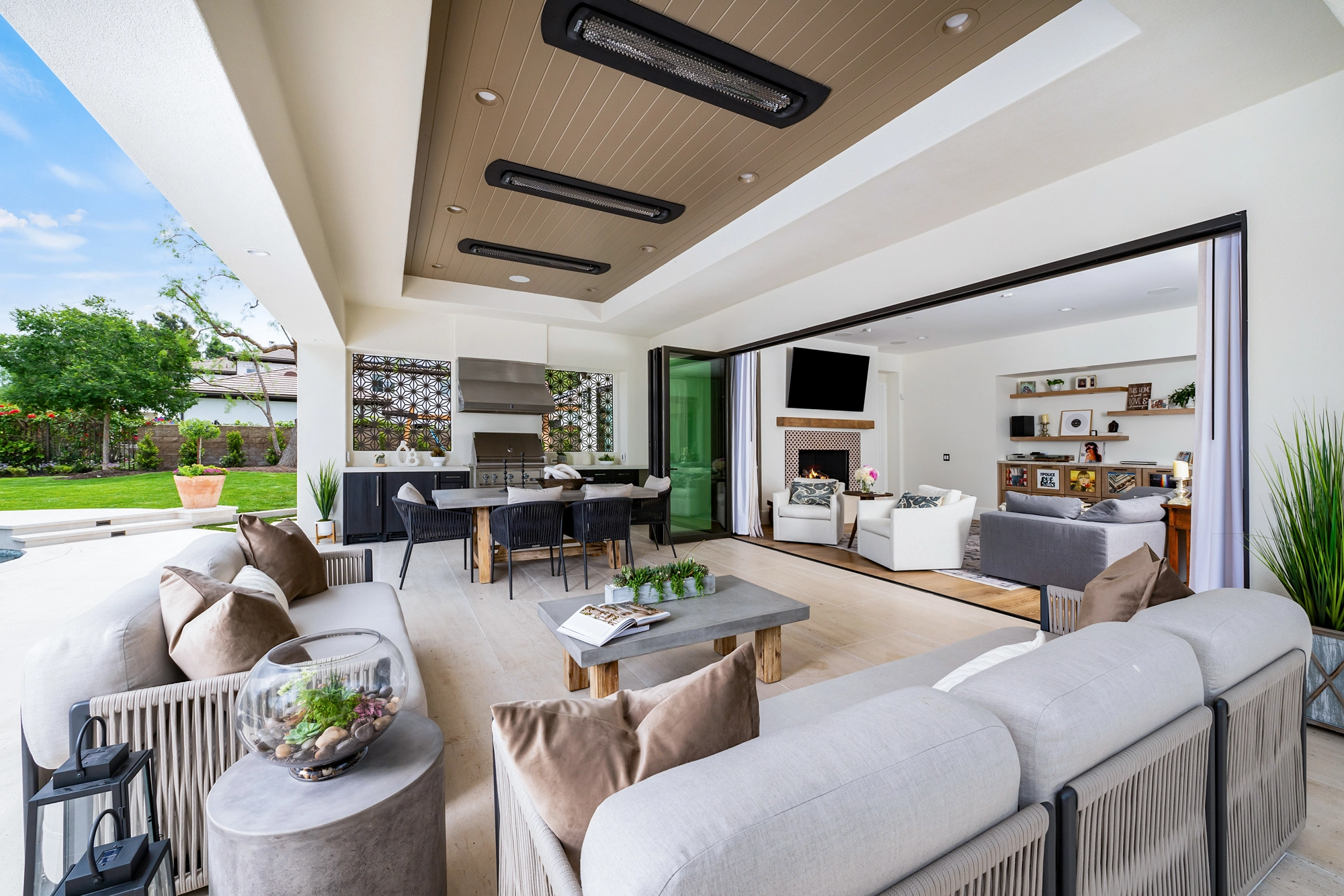
These approaches reflect the different ways households adapt their homes as needs change over time. Common types of additions include:
Primary Suite Additions
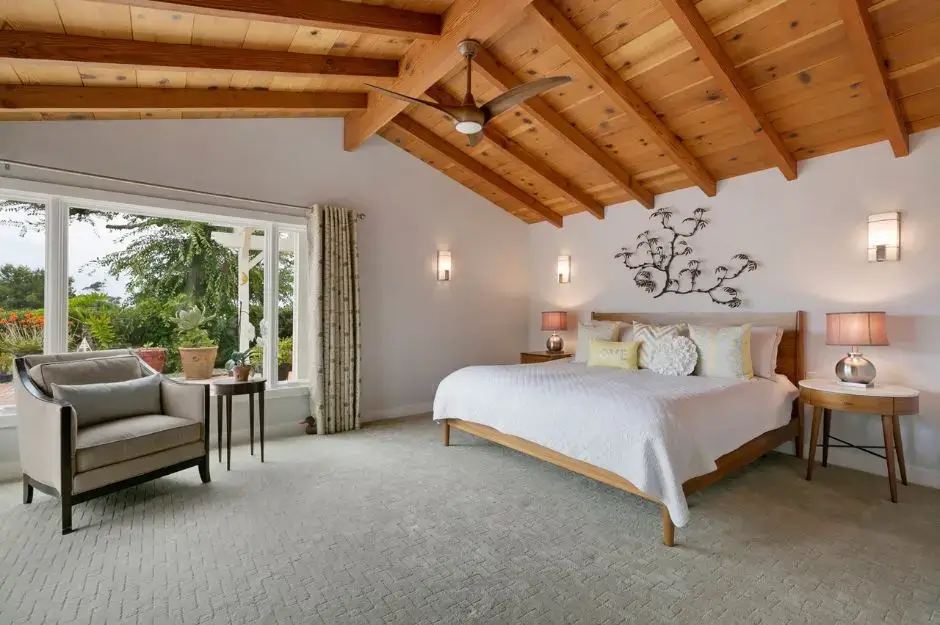
Primary suite additions create a quieter, more private part of the home. They combine bedroom, bathroom, and closet into a connected retreat that sits apart from shared living areas. In homes where bedrooms originally lined a hallway, adding a suite changes daily comfort and privacy.
Kitchen and Family Room Expansions
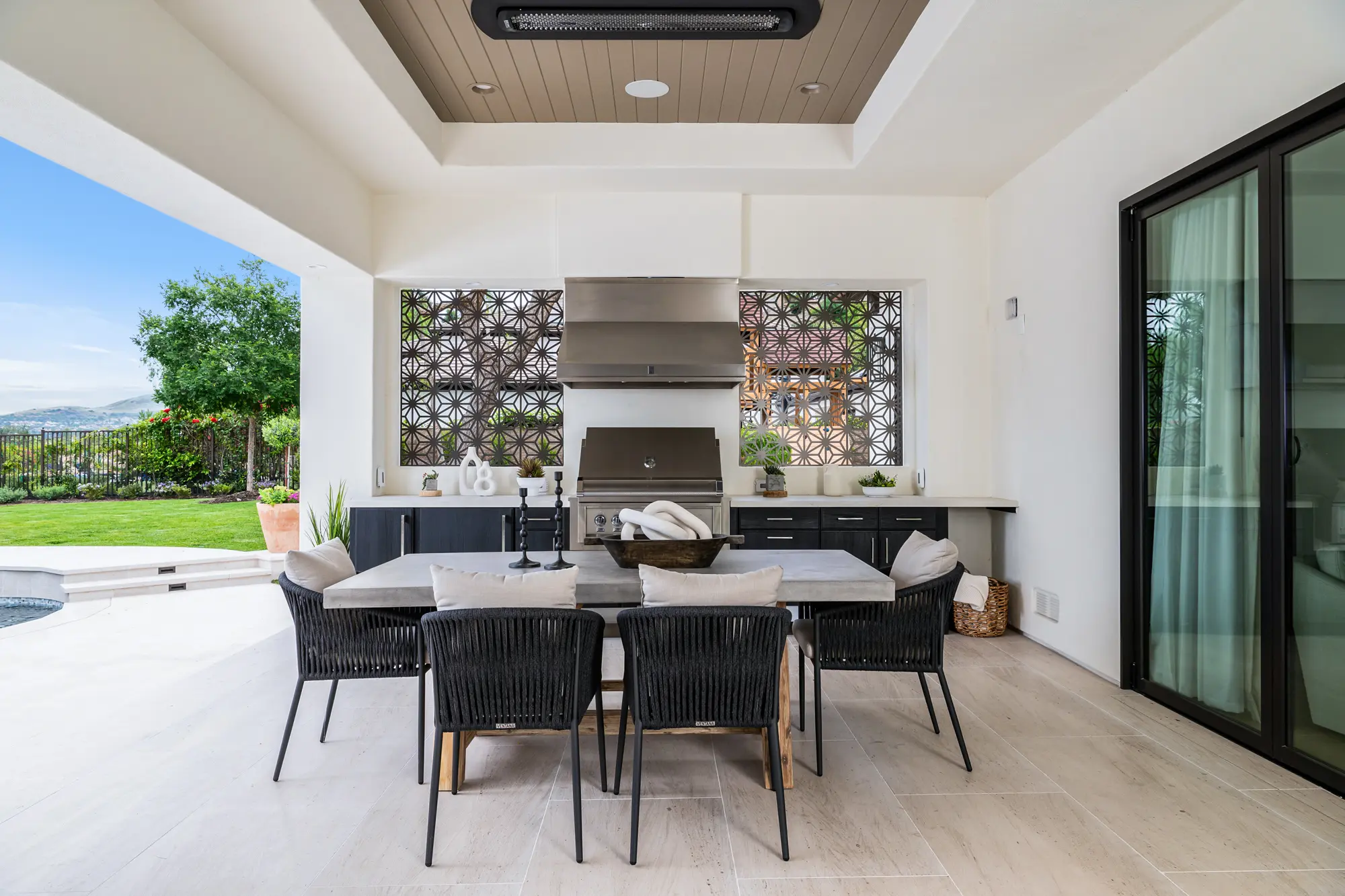
Kitchen and family room additions open the home’s social center. Expanding toward the yard or patio allows cooking, dining, and gathering to flow together. Large openings and covered transitions support indoor-outdoor living that fits Southern California’s climate.
Second-Story Additions
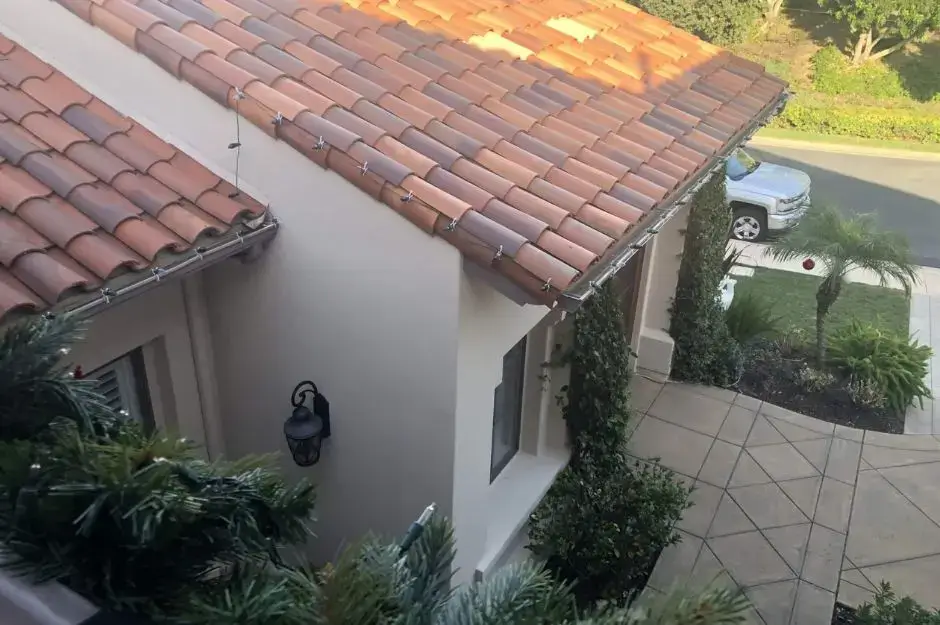
Second-story additions add space without reducing yard area. They are common on established lots where outward expansion is limited. Upper-level rooms often gain better light and privacy, making them well suited for bedrooms, offices, or flexible living space.
California Rooms
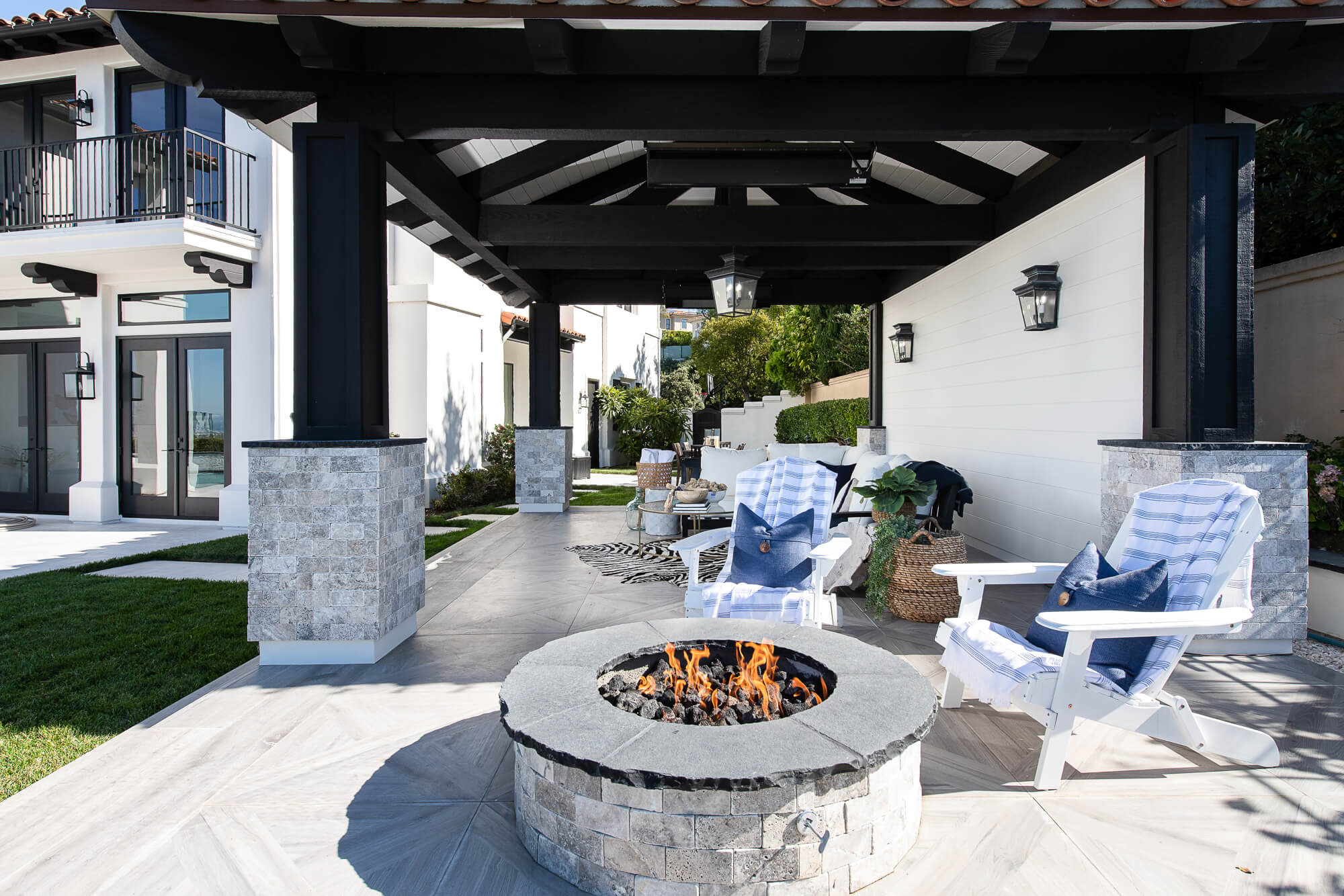
These spaces typically include a ceiling, finished flooring, lighting, and amenities such as a fireplace or outdoor kitchen. San Juan Capistrano’s mild climate makes them a practical and popular way to add usable square footage without a fully enclosed addition.
Planning Your San Juan Capistrano Home Addition
Early conversations in a Design-Build consultation explore how people move through the existing home, where crowding or inefficiency occurs, and what the daily schedule suggests about the way new space would actually be used.
Space planning examines how new and existing areas will connect. Circulation paths, transitions between ceiling heights, and the way daylight moves through rooms at different times of day all affect whether an addition feels cohesive or obviously grafted on. These questions are best answered during design, where adjustments are less costly than they become during construction.
Material selection in San Juan Capistrano’s homes often calls for finishes that complement traditional or transitional architecture. In Orange County’s climate, some materials weather better than others, a consideration worth looking at early on rather than when it’s too late.
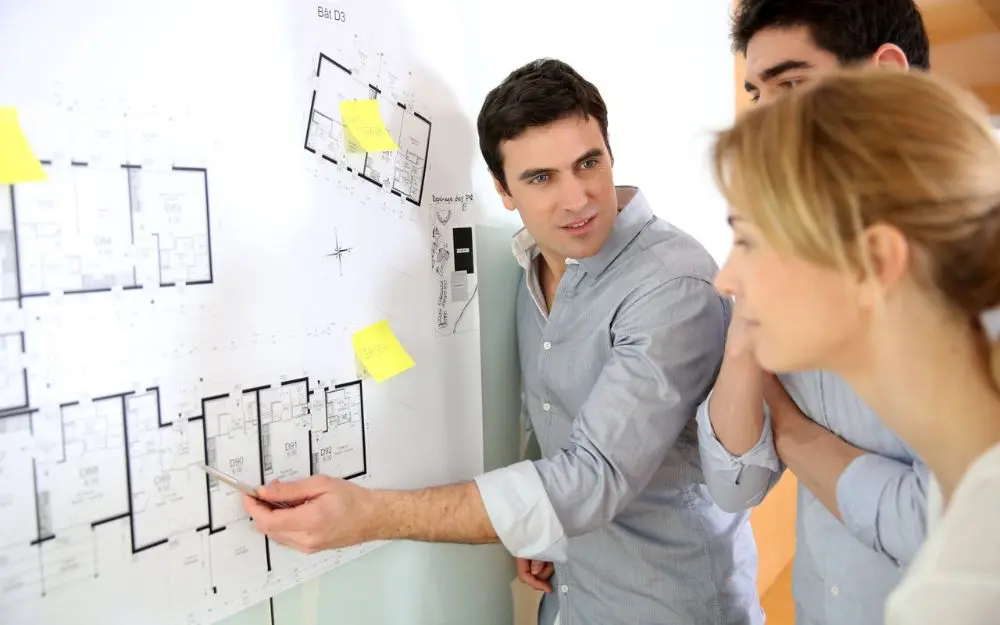
Budget frameworks developed during design allow homeowners to understand cost implications before committing to specific directions. This is also where value engineering creates real advantage. When construction expertise is part of the design conversation from the beginning, it becomes possible to identify where structural simplification or material substitution can reduce cost without affecting the finished result.
Selecting Home Addition Builders in San Juan Capistrano
The relationship with a home addition team spans months, so evaluating fit goes beyond reviewing cost estimates. How does the team communicate? How do they handle field-level decisions when something unexpected arises? These questions matter as much as what shows up on paper.
Portfolio review provides useful evidence. Look for completed projects of similar size and complexity to your own, and evaluate whether the work reads as integrated or obviously attached. Additions that hold up under that scrutiny reflect a team that understands how design, materials, and construction decisions interact.
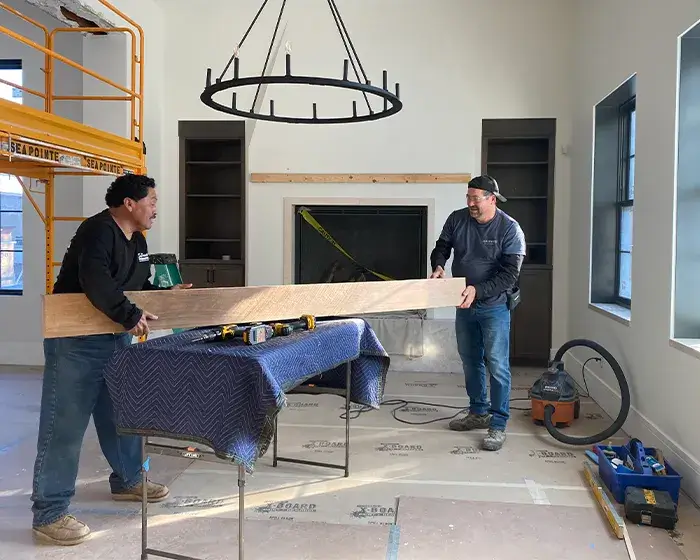
The Design-Build model establishes clear accountability throughout. One team controls both the design vision and the construction execution, which eliminates the dynamic where designers and builders interpret each other’s intentions independently. When something needs to change, the decision happens within the same organization rather than across separate contracts.
Sea Pointe has earned recognition across the industry for this integrated approach, including being voted Best Kitchen and Bath Remodeling Specialist in the Orange County Register’s Best of Orange County 2025 awards and receiving Best of Houzz Design and Service Awards for twelve consecutive years. These recognitions reflect consistent, high-quality work that holds up across different project types and neighborhoods.
Understanding the Investment
Home addition costs reflect the complexity of creating new space from the ground up, including foundation work, structural framing, systems integration, and finish work that connects to an existing home. Square footage provides an approximate starting point, but it doesn’t capture everything. Site conditions, the age of the existing structure, and the complexity of architectural matching all affect the total scope.
Return on investment for additions tends to be strong compared to remodeling projects because functional square footage is being added rather than reconfigured. Well-executed additions in established neighborhoods typically recover a meaningful portion of their cost at eventual sale. The less quantifiable return comes from improved daily living while the household remains in place.
For families committed to San Juan Capistrano for the long term, that ongoing quality of life benefit often carries as much weight as any financial calculation.
Explore Your Options with Sea Pointe Design & Remodel
Sea Pointe’s showroom in Irvine provides an environment for exploring materials, finishes, and design directions in a physical context. Seeing actual installations under different lighting conditions, comparing options side by side, and speaking with staff about how choices affect both aesthetics and budget helps clarify thinking before formal design begins.
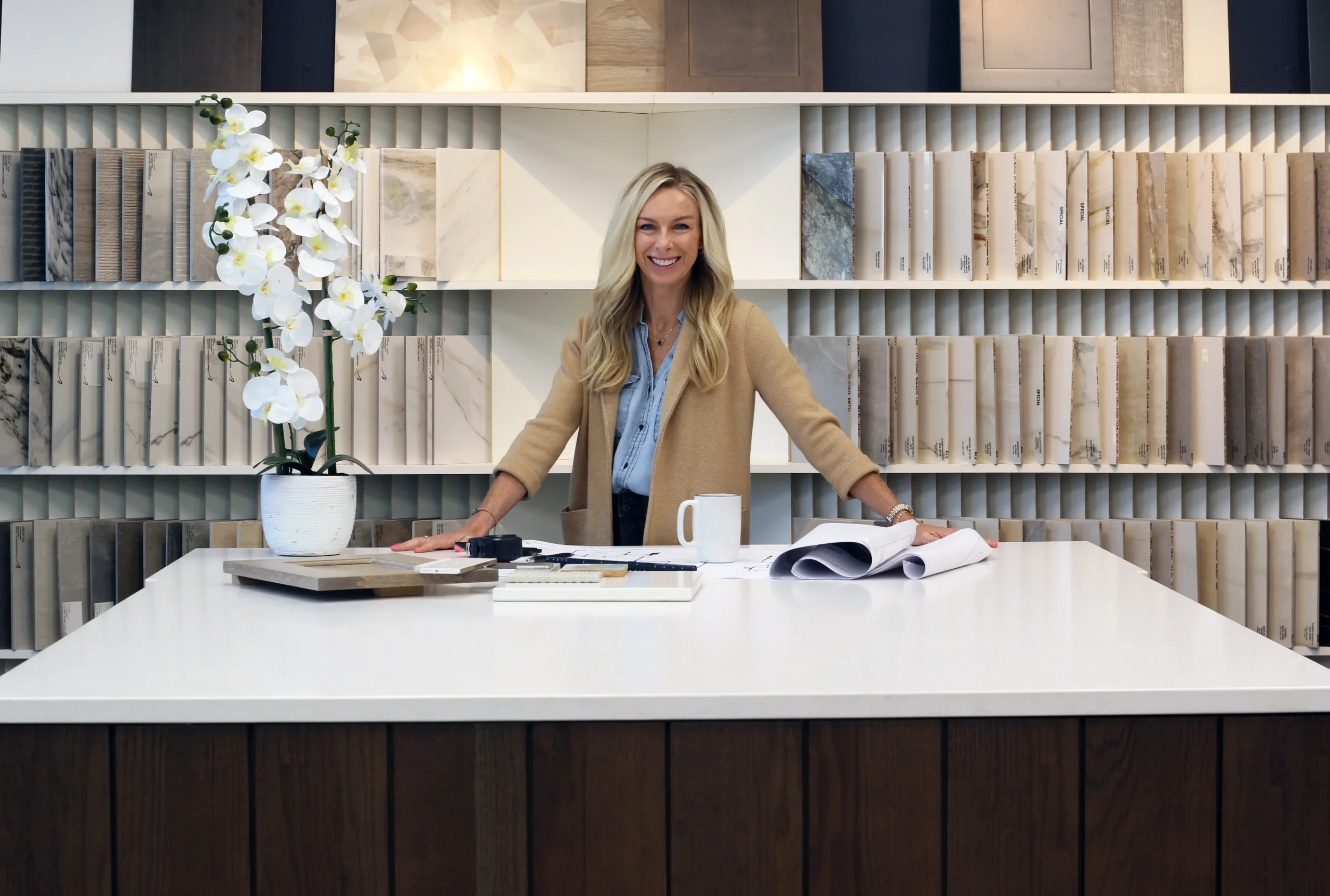
Whether you’re still forming an idea of what your addition might look like or ready to discuss specific plans, a showroom visit provides useful grounding. Learn more about Sea Pointe’s Design-Build process, explore the project portfolio, or view Sea Pointe’s media features and awards. When you’re ready to talk through a project in detail, contact us to schedule a consultation at our Irvine showroom.
How do builders match home addition materials to older homes with distinctive architecture?
Matching architecture in an established neighborhood involves close analysis of the existing home’s design language, including exterior profiles, surface textures, window proportions, and trim details. Material sourcing targets finishes that replicate both the type and the visual character of original elements. The goal is an addition that reads as original construction rather than a visible attachment.
Can we stay in our home during construction?
Most families remain in place during room addition work. The majority of framing and foundation activity happens outside the existing footprint, which limits interior disruption during early phases. Some overlap with living areas occurs as systems get connected, but many homeowners find the inconvenience manageable compared to the cost and disruption of relocating temporarily. It’s best to consult with your professional design/build expert on your particular project.
How does Design-Build help manage costs?
Design-Build supports cost clarity by establishing a detailed budget framework before construction begins, which reduces the likelihood of scope changes during the project. The national average for change orders is 30% and Sea Pointe’s is 3% (client driven). It also creates an ongoing opportunity for value engineering, where construction expertise informs design decisions in ways that optimize cost without compromising the finished result.
What is typically included in a primary suite addition?
Primary suite additions generally incorporate a bedroom, private bathroom, and walk-in closet, connected in a layout that creates separation from shared household areas while remaining integrated with the home’s overall circulation. Specific configurations vary based on available space, the home’s existing footprint, and how the household intends to use the suite.
How do I know if my lot supports an addition?
Feasibility depends on a range of factors including lot dimensions, existing setbacks, the condition of the current foundation, and how the home’s structure is configured. A Design-Build consultation involves a detailed assessment of these conditions early in the process, which allows the team to identify what’s realistic before design investment deepens.
Why does the Design-Build model reduce surprises during construction?
When design and construction expertise develop plans together, structural realities and buildability constraints are accounted for during design rather than discovered during construction. This reduces the frequency of field changes and the cost and schedule implications that typically follow. It also means homeowners receive a budget framework grounded in how the project will actually be built.
Begin your San Juan Capistrano home addition with a team that understands how to honor existing architecture while creating space your household can genuinely use. Contact Sea Pointe Design & Remodel to schedule your consultation.