
Aging in Place Remodel Orange County | Safe, Accessible Home Design Solutions
Most people don’t think about how their home will need to change until something forces the question. A fall. A diagnosis. A parent who can no longer manage the stairs safely. By the time the conversation starts, there’s often a sense of urgency that makes thoughtful planning harder than it should be.
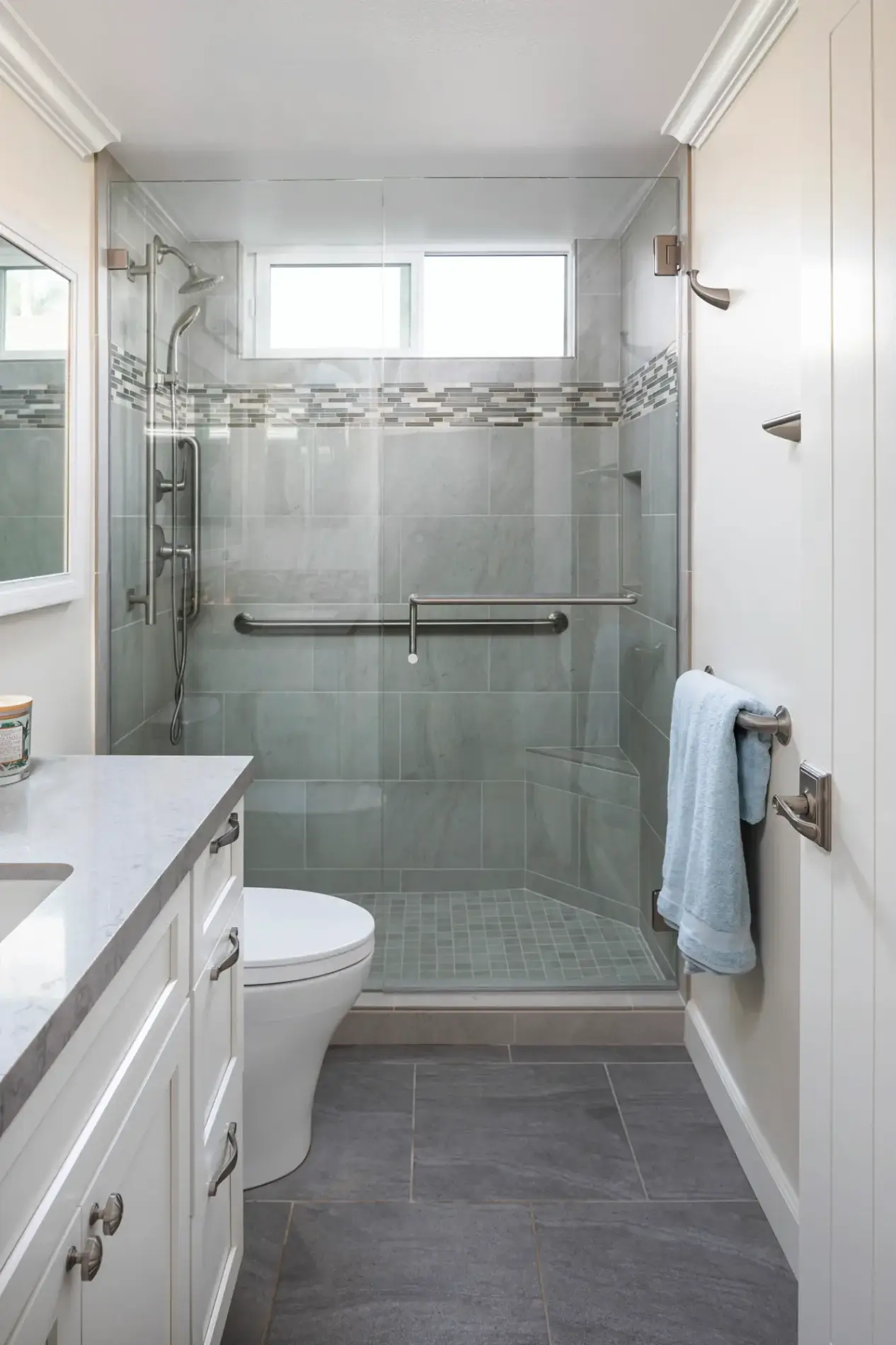
The better approach is to start earlier, while there’s room to plan deliberately and design well. Aging in place remodeling in Orange County doesn’t have to look like a clinical adaptation. Done thoughtfully, it creates a home that functions more safely and comfortably for everyone who lives in it, not just for the person whose needs prompted the conversation.
That’s the core idea behind Universal Design: homes designed to accommodate a wide range of physical capabilities tend to work better for everyone, at every stage of life.
Sea Pointe Design & Remodel has worked with Orange County homeowners for over 30 years, including certified aging in place specialists on staff who bring both design expertise and genuine understanding of what these projects require. The goal is always a home that supports independence with dignity, one that doesn’t announce its accommodations but simply works better.
Why Orange County Homeowners Choose to Remodel Rather Than Relocate
The decision to remain in a familiar home rather than transition to assisted or managed living is about more than sentiment, though sentiment matters. It’s about quality of life, independence, and the daily experience of being in a place that has accumulated meaning over years.
A home that anticipates those changes rather than reacting to them after the fact preserves more independence for longer and requires less disruptive intervention at the moments when disruption is hardest to absorb.
Multigenerational households in Orange County have become more common as families weigh the costs and trade-offs of various care arrangements. An ADU or multigenerational suite that incorporates Universal Design principles from the beginning creates living space that’s genuinely supportive without feeling institutional.
What Universal Design Actually Means
Universal Design is a design philosophy, not a product category. It refers to the practice of creating spaces that can be used by as many people as possible, across a range of ages, abilities, and circumstances, without requiring specialized adaptation.
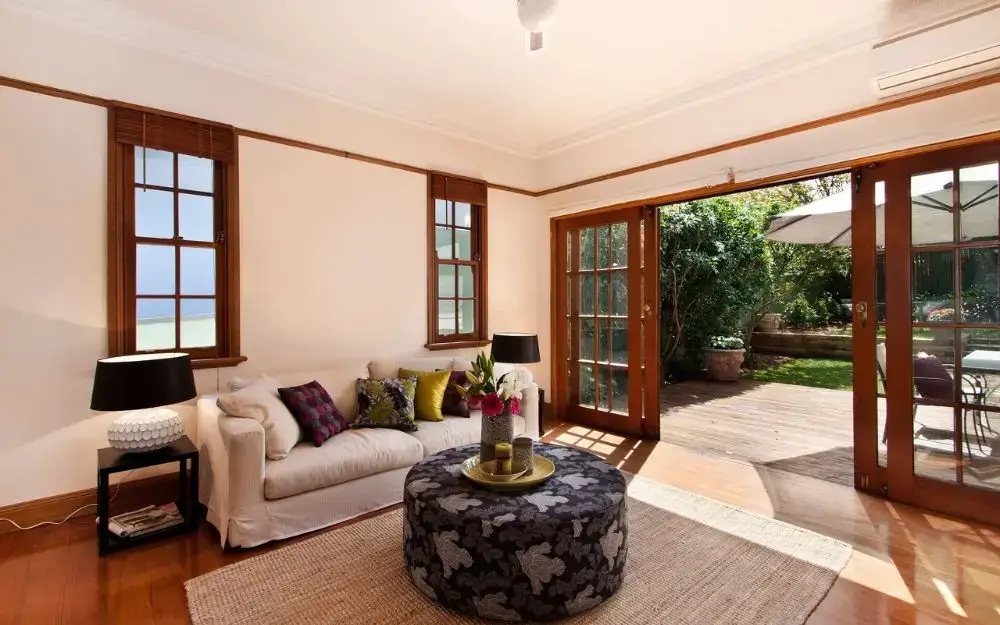
The distinction matters because Universal Design features tend to look like good design rather than accommodation. A well-designed roll-in shower with quality tile and thoughtful fixture placement doesn’t read as a medical modification. It reads as a well-designed shower.
That aesthetic integration is important for reasons beyond appearance. Homeowners are more likely to maintain independence longer in a home that feels like their own rather than one that feels adapted for someone else’s needs. And homes with Universal Design features are genuinely more livable for everyone, including guests, younger family members, and people recovering from temporary injuries or surgery.
Where Aging in Place Modifications Have the Most Impact
Not every room requires the same level of attention, and not every household’s needs are identical. A thoughtful aging in place assessment identifies where the most meaningful changes can be made given the specific home, the specific occupants, and the specific timeline being planned for.
Bathroom Modifications
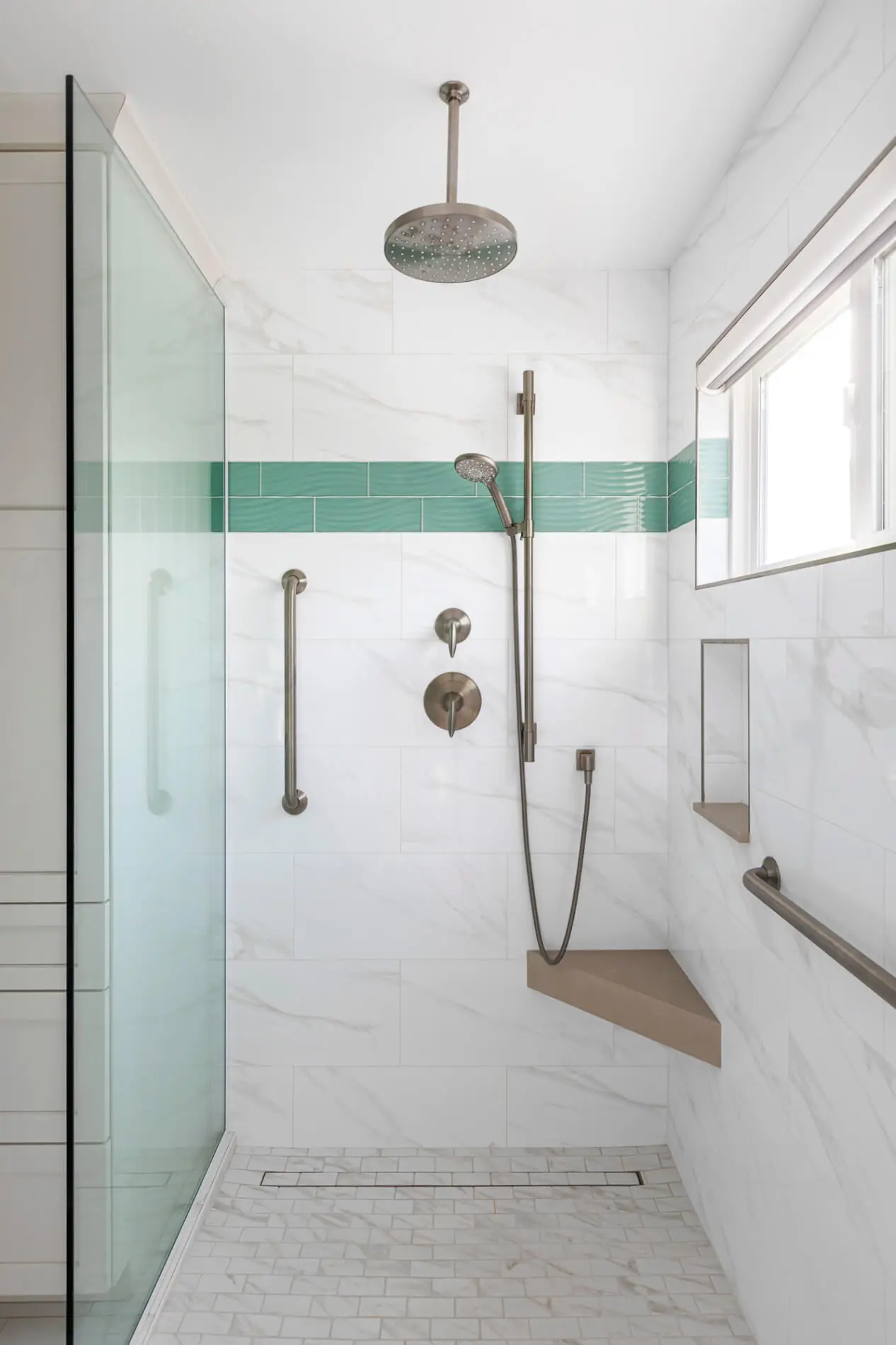
The bathroom is statistically the most hazardous room in any home, and the one where thoughtful design changes have the most immediate safety impact. Bathroom remodeling for aging in place typically centers on a few key modifications. Barrier-free or curbless shower entries eliminate the step that presents the greatest fall risk.
Grab bars positioned at entry points, along shower walls, and adjacent to the toilet provide support without requiring grip strength. Shower seating, whether built-in or fold-down, allows bathing without standing for extended periods. Non-slip flooring surfaces reduce risk without changing the room’s visual character.
Walk-in showers with handheld shower heads, pressure-balanced valves that prevent scalding, and adequate lighting that reduces shadow all contribute to a bathroom that functions safely across a wide range of physical conditions. These modifications can be integrated into a comprehensive bathroom remodel that also updates finishes, cabinetry, and fixtures, so the result is a genuinely improved space rather than a minimally modified one.
Kitchen Modifications
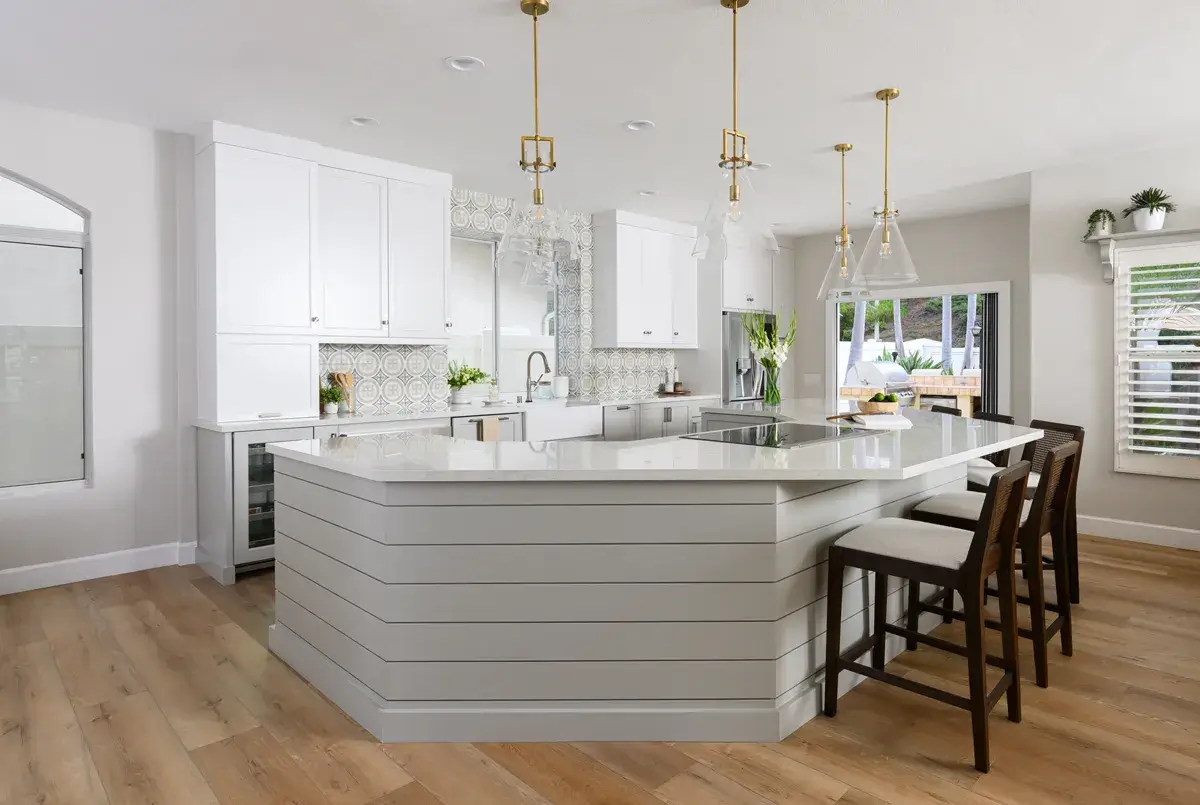
The kitchen presents its own set of considerations. Counter heights that work for both standing and seated use, pull-out shelving that brings storage within reach without requiring overhead stretching, and appliances positioned to minimize bending and lifting all address the physical demands that kitchen use places on aging bodies. Lever faucets, loop cabinet pulls, and touchless or easy-grip fixtures reduce the hand strength required for routine tasks.
Lighting in the kitchen deserves particular attention. Reduced vision is one of the most common changes that comes with age, and kitchens that rely on a single overhead fixture leave work surfaces poorly lit. Task lighting under cabinets, adequate counter illumination, and switches positioned for easy access all contribute to a kitchen that remains usable as vision changes.
Whole-Home Accessibility
Beyond bathrooms and kitchens, a whole-home approach to aging in place addresses circulation and access throughout the property. Wider doorways that accommodate wheelchairs or walkers, lever hardware throughout, motion-sensing lighting in hallways and stairways, and the elimination of raised thresholds and tripping hazards all improve safety without requiring significant structural intervention.
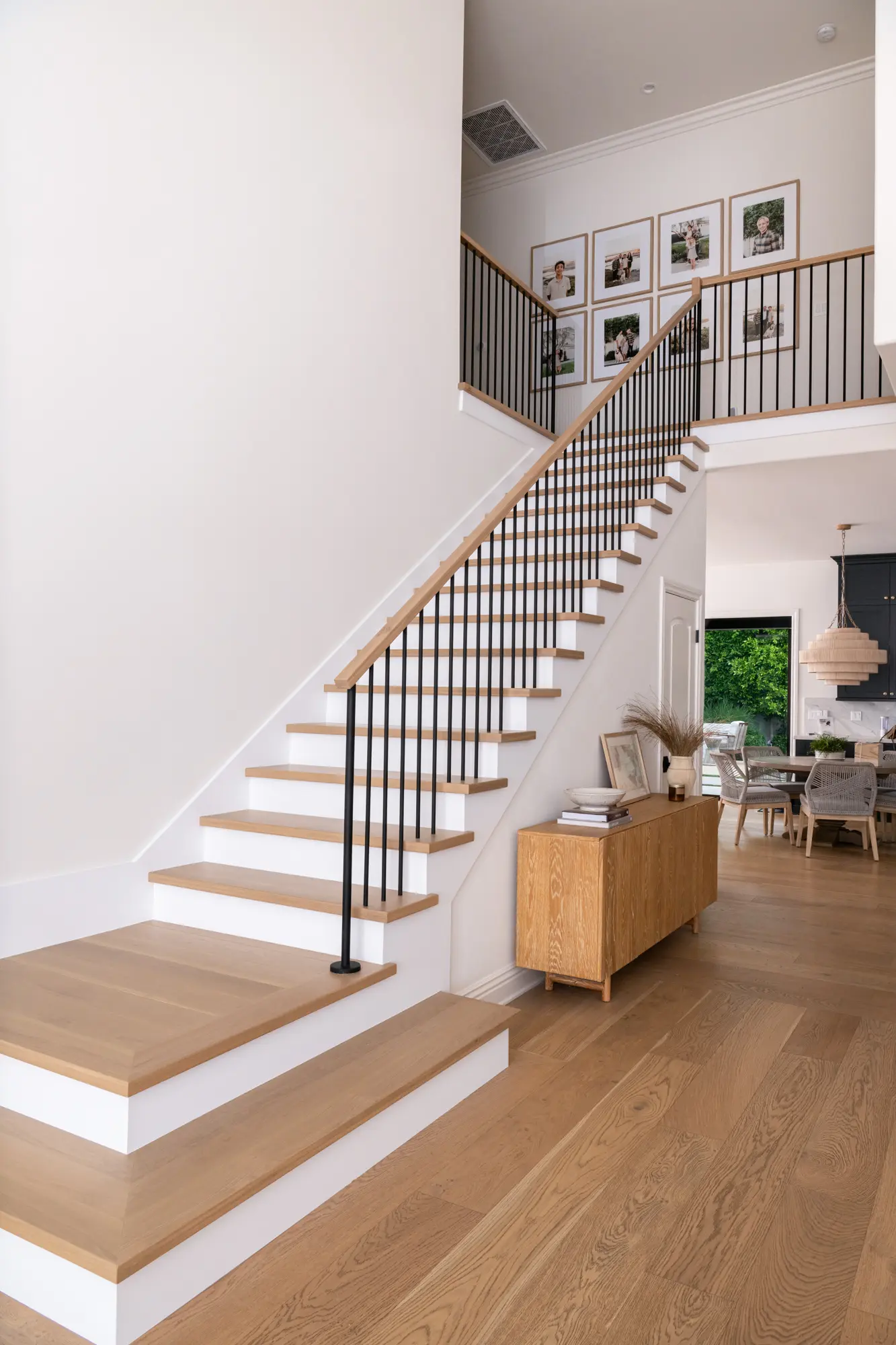
For multi-story homes, stairway design becomes a central consideration. Stair lifts, handrail configurations that provide continuous grip, and adequate lighting on stairs and landings address the access challenges that stairs present as mobility changes. In some cases, reconfiguring the primary bedroom to the ground floor eliminates stairs from the daily routine entirely, which is the most comprehensive solution when the layout allows it.
For properties where a separate living area makes sense, outdoor living design that creates accessible pathways, level transitions between interior and exterior, and usable outdoor space without steps or uneven surfaces extends the livable environment in ways that matter considerably for quality of life.
Planning an Aging in Place Remodel: Getting the Sequence Right
The most common mistake in aging in place remodeling is reacting to an immediate need rather than planning for a longer arc of change. A grab bar installed in response to a fall addresses a symptom. A bathroom designed from the beginning with curbless entry, appropriate blocking for future grab bars, and lever fixtures addresses the conditions that made the fall more likely and reduces the likelihood of future incidents.
Planning ahead also allows for better design outcomes. When Universal Design features are incorporated into a comprehensive remodel rather than added to an existing space, they integrate more naturally into the overall aesthetic. Blocking installed in walls during a bathroom remodel allows grab bars to be added later wherever they’re needed, without requiring reconstruction. A kitchen counter reconfigured at a more accessible height during a remodel looks intentional. The same modification made later as an isolated change rarely does.
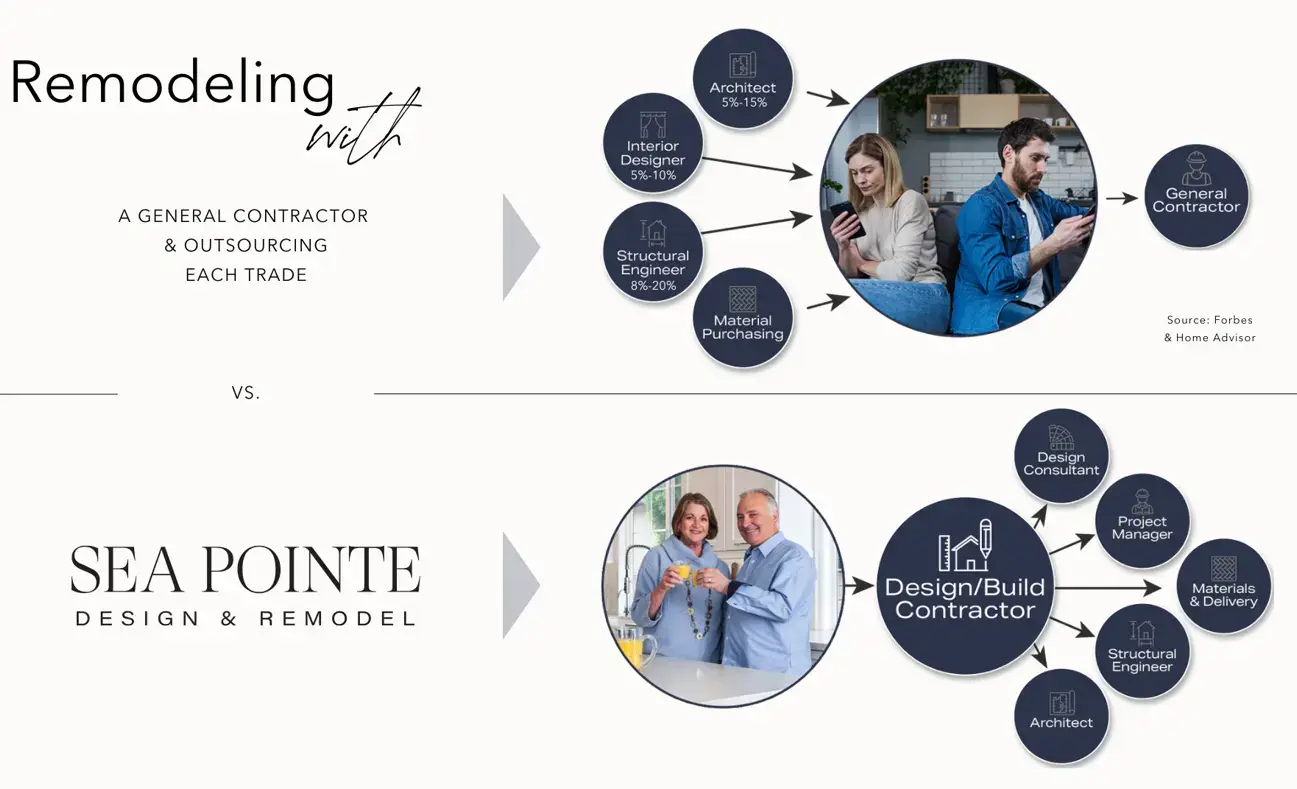
The Design-Build approach is particularly well suited to aging in place projects because it keeps design intent and construction reality in the same conversation throughout. When the people designing the modifications also understand how they’ll be built, the result reflects both aesthetic and functional priorities rather than compromising one for the other. Value engineering applied during the design phase identifies where modifications can be made most efficiently, which matters for projects where the scope may expand over time as needs evolve.
Sea Pointe’s certified Aging in Place specialists bring expertise in both Universal Design principles and the remodeling process, which means recommendations are grounded in what actually works in real homes rather than in theoretical guidelines.
Working with Sea Pointe on Your Orange County Aging in Place Remodel
The consultation process for aging in place projects begins differently than a standard remodel. Rather than starting with aesthetic preferences, it starts with an honest assessment of the home’s current conditions, the occupant’s current needs and anticipated future needs, and which modifications will have the most meaningful impact on daily safety and independence.
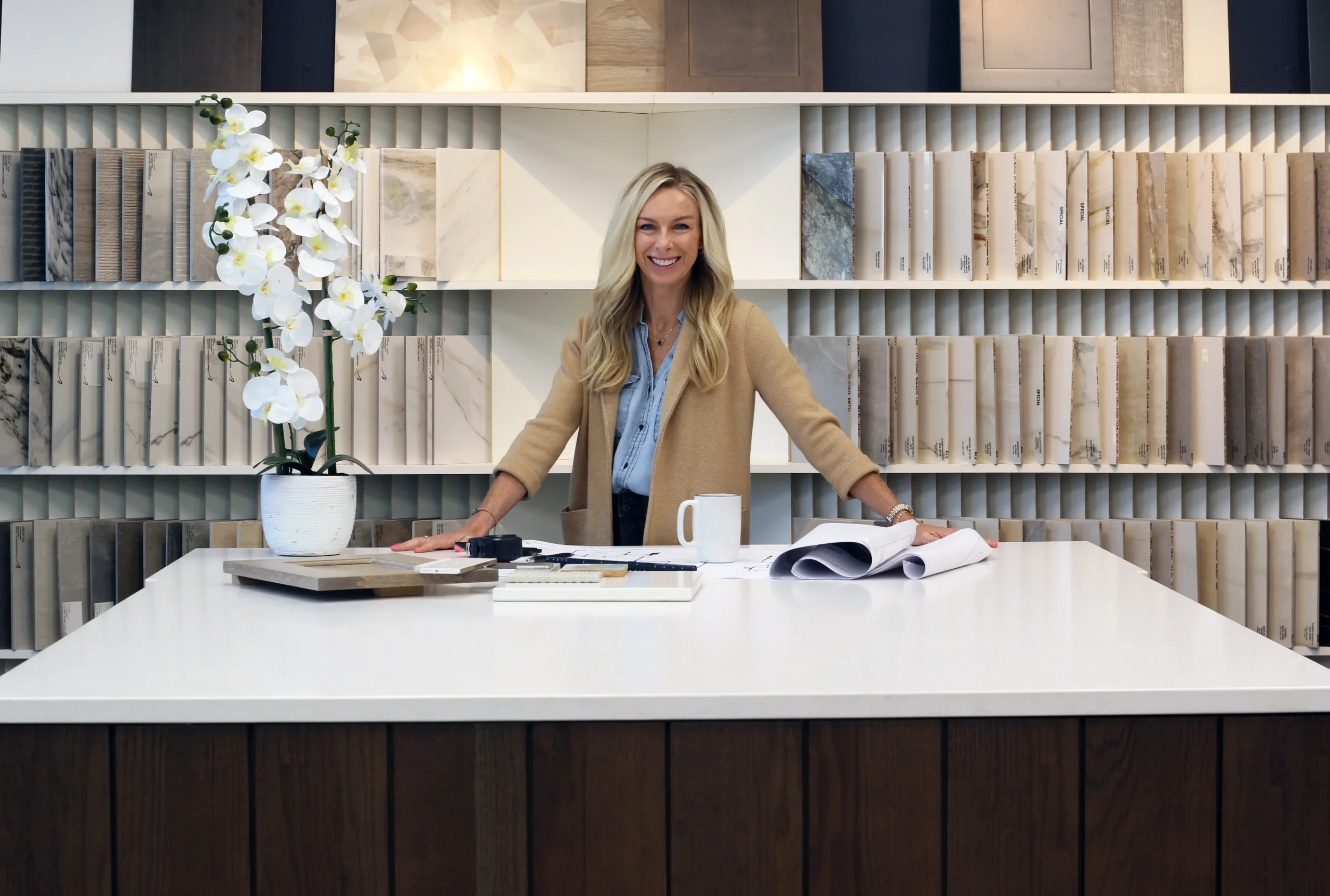
Sea Pointe’s showroom in Irvine provides a physical environment where materials, fixtures, and design directions can be evaluated before formal planning begins, which is particularly useful for aging in place projects where product selection involves both aesthetic and functional criteria.
Sea Pointe has earned consistent recognition for its integrated approach across Orange County, including being voted Best Kitchen and Bath Remodeling Specialist in the Orange County Register’s Best of Orange County awards and receiving Best of Houzz Design and Service Awards for twelve consecutive years. That recognition is documented through Sea Pointe’s media features and awards page.
When you’re ready to discuss a specific project, contact us to schedule a consultation with a certified Aging in Place specialist.
When is the right time to start thinking about aging in place modifications?
Earlier than most people expect. The best aging in place modifications are ones made proactively, during a planned remodel, before a specific need has forced the question. Incorporating Universal Design features during a bathroom or kitchen remodel adds minimal cost compared to making the same modifications later as isolated changes, and produces better design outcomes because the features integrate naturally rather than being added to an existing space.
Do aging in place modifications have to look clinical or institutional?
Not when they’re designed well. Universal Design features, curbless showers, lever hardware, wider doorways, grab bars in coordinated finishes, are standard elements of well-designed contemporary homes. A bathroom remodeled with aging in place in mind can be indistinguishable from one designed purely for aesthetics. The goal is a home that works better for everyone, not one that signals accommodation.
What are the most important modifications to prioritize first?
The bathroom addresses the highest-risk area of the home and tends to have the most immediate safety impact. After that, kitchen usability modifications and whole-home circulation improvements depend on the specific household’s conditions and daily routines. A certified Aging in Place specialist can conduct an assessment that identifies which modifications will have the most meaningful effect given the specific home and occupants.
Can aging in place modifications be incorporated into a broader remodel?
Yes, and that’s often the most cost-effective and aesthetically successful approach. Incorporating blocking for future grab bars during a bathroom remodel, specifying lever hardware throughout a whole-home update, or reconfiguring a kitchen counter height during a kitchen remodel adds relatively little cost compared to making the same changes later as isolated projects. It also produces better design integration.
What's the difference between aging in place design and standard accessibility modifications?
Standard accessibility modifications address a specific current need, usually in response to an existing condition. Aging in place design takes a longer view, anticipating a range of future needs and incorporating features that will support independence across the arc of change that aging involves. Universal Design principles are broader still, creating spaces that work well for people across a wide range of abilities, which benefits the whole household rather than addressing one person’s needs specifically.
Does Sea Pointe have specialists with aging in place certification?
Yes. Sea Pointe has certified Aging in Place and Universal Design specialists on staff who bring specific expertise to these projects. That certification reflects training in the physical changes associated with aging, the design features that address those changes most effectively, and how to incorporate those features into a comprehensive remodel that meets both safety and aesthetic goals.
An aging in place remodel done thoughtfully protects independence, improves daily safety, and creates a home that supports quality of life for years to come. Contact Sea Pointe Design & Remodel to schedule a consultation with a certified specialist.