
Mission Viejo Room Addition Specialists | Seamless Home Integration
How do you add space to a Mission Viejo home in ways that feel like it was always part of the original design? Walk through enough completed additions in this master-planned community and a pattern emerges: the successful ones don’t just take up space.
Room additions here face unique considerations. The community’s architectural guidelines, established when development began in the 1960s, protect the distinctive character that makes Mission Viejo recognizable. Homeowners planning additions discover that success requires understanding both what their families need and what the community’s design standards will actually approve.
Design-Build teams experienced with Mission Viejo integrate these requirements from the beginning. This unified approach prevents the disconnects that arise when architects design additions without understanding what existing structures can support or what local approval processes require.
The Timeless Magic of Mission Viejo Architecture
Mission Viejo stands as one of the largest master-planned communities in the United States. The Spanish mission style that defines the community, with its stucco walls, red-tiled roofs, and arched doorways, creates architectural consistency across neighborhoods.
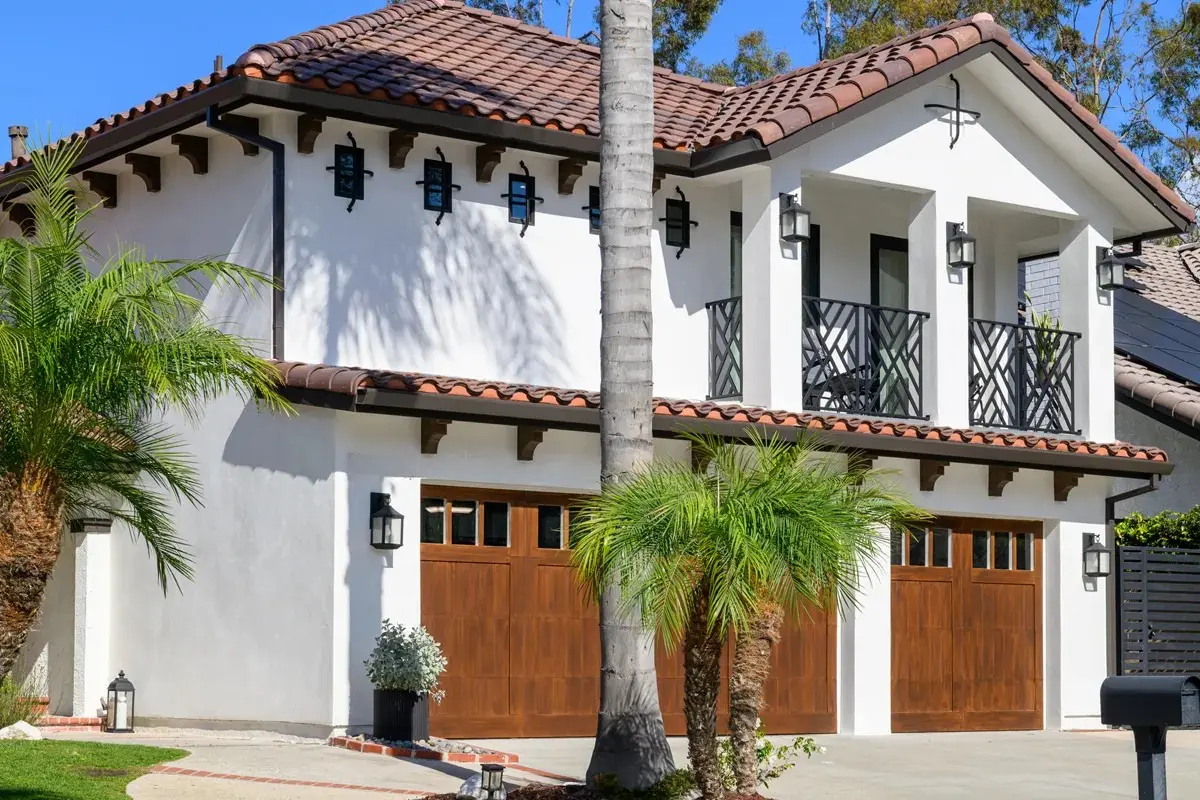
This rich architectual heritage shapes what room additions can look like and how they can integrate with existing homes. Professional designers evaluate whether additions respect these established patterns or introduce elements that conflict with Mission Viejo’s identity.
Roofline compatibility, exterior materials, window proportions, and color palettes all face scrutiny that ensures new construction maintains neighborhood character. Many homes built during the community’s initial development now house families whose needs differ from the original floor plans.
Understanding how to add space while preserving what makes Mission Viejo distinctive requires familiarity with both the community’s architectural traditions and how modern families actually live.
How Design and Remodel Works for Room Additions
In traditional home addition planning, the process is often disjointed. An architect first develops plans based on aesthetic vision, and only later does a contractor review these plans. The contractor may then uncover structural limitations, design review complications, or budget conflicts that force costly and time-consuming redesigns.
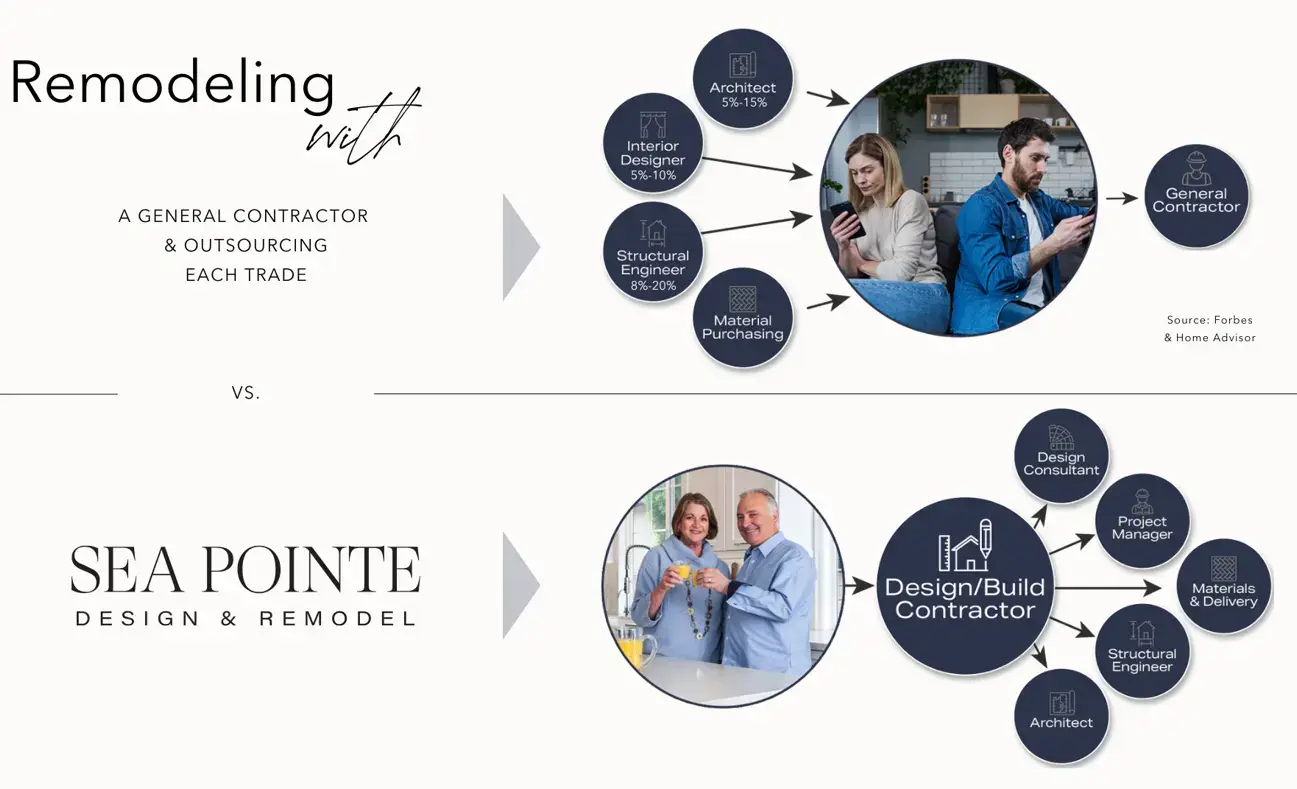
The Design-Build approach streamlines this entirely. The team responsible for designing your room addition is already fully aware of the structural possibilities of your existing home, the materials and aesthetics acceptable to design review boards, and the specific constraints imposed by current building codes on the potential layout.
This integrated method ensures a seamless transition from concept to construction.
Questions about foundation capacity, acceptable roofline configurations, or required setbacks get answered during design development, not after plans are finalized and submitted for approval. All-inclusive pricing means design, engineering, and project management appear in your initial budget rather than surfacing as unexpected invoices.
Having a dedicated single point of contact simplifies everything. Changes during construction become conversations within one team rather than negotiations between companies protecting separate interests.
Types of Room Additions in Mission Viejo
Primary Suite Additions
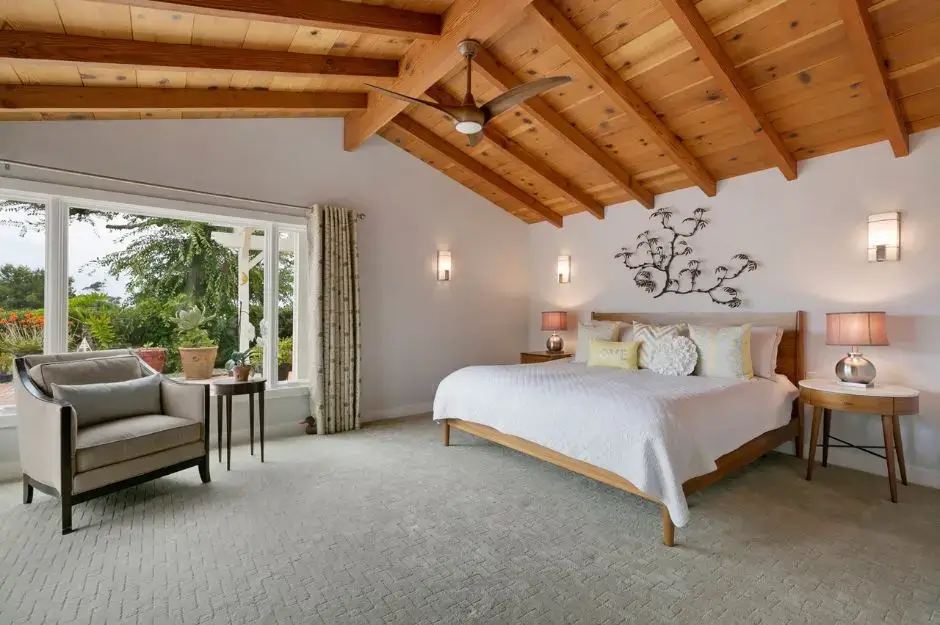
In Mission Viejo, primary suite additions are the most frequent request among homeowners. These projects are designed to deliver a true sanctuary, incorporating coordinated layouts for new bedroom, bathroom, and closet space.
The success of these additions hinges on seamless integration with the home’s existing traffic patterns. The new suite should flow naturally, avoiding the creation of awkward hallways. Crucial elements like natural light, ventilation, and connections to the outdoors are essential to achieving the envisioned retreat.
Furthermore, the characteristic Spanish mission architecture of Mission Viejo provides unique opportunities. Details like courtyards, arched doorways, and tile work can be leveraged to ensure the primary suite addition looks like an original part of the home, rather than a tacked-on structure.
Home Office and Flexible Workspace Additions
Remote work arrangements throughout Mission Viejo have driven demand for dedicated office space that supports professional requirements without household interruption. Converting spare bedrooms creates conflicts when the space needs to serve multiple purposes.
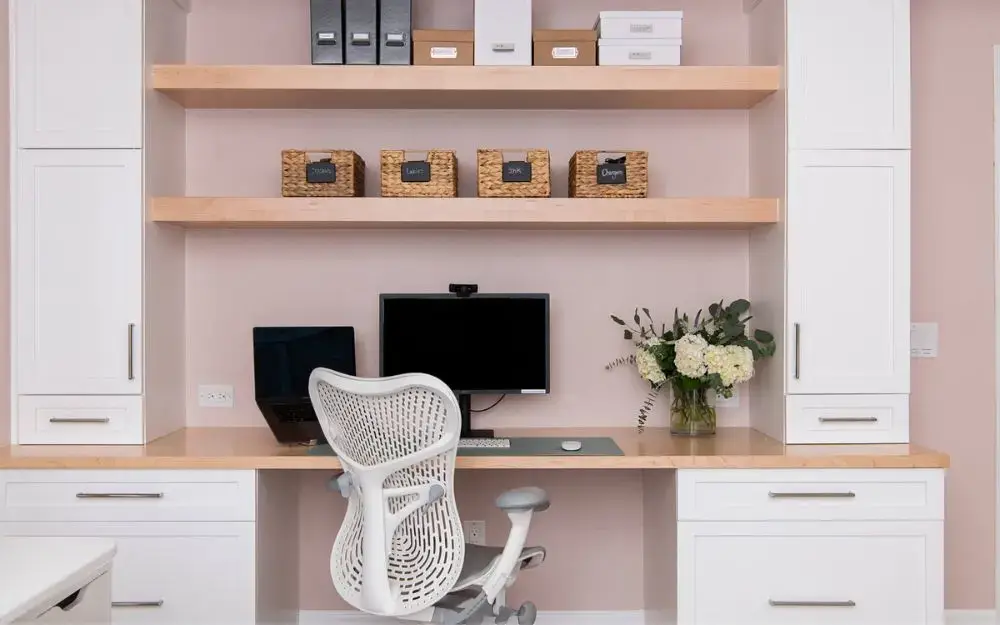
Proper home office additions provide soundproofing, separation from household activity, and professional environments appropriate for client-facing video calls. Flexible spaces serve multiple functions over time. An office today becomes a guest suite next year or a creative studio as needs evolve.
Natural light matters particularly in spaces used full-time, and a good design should be able to accommodate all hours of the day. Window placement that provides illumination without glare considers sun angles and outdoor privacy equally.
Multi-Generational Living Additions
Designing separate living areas for extended family, such as aging parents or adult children, requires careful consideration. The goal is to ensure they have independence while still feeling connected to the main family home.
To create genuine autonomy, these additions should include amenities like private bathrooms, kitchenettes, and independent entrances. Planning for accessibility features from the start is highly recommended, as it avoids costly modifications later on.
Unlike detached accessory dwelling units (ADUs), these additions are physically integrated with the primary house. This integration necessitates balancing the need for privacy for both generations with comfortable, shared family areas and convenient access between the spaces.
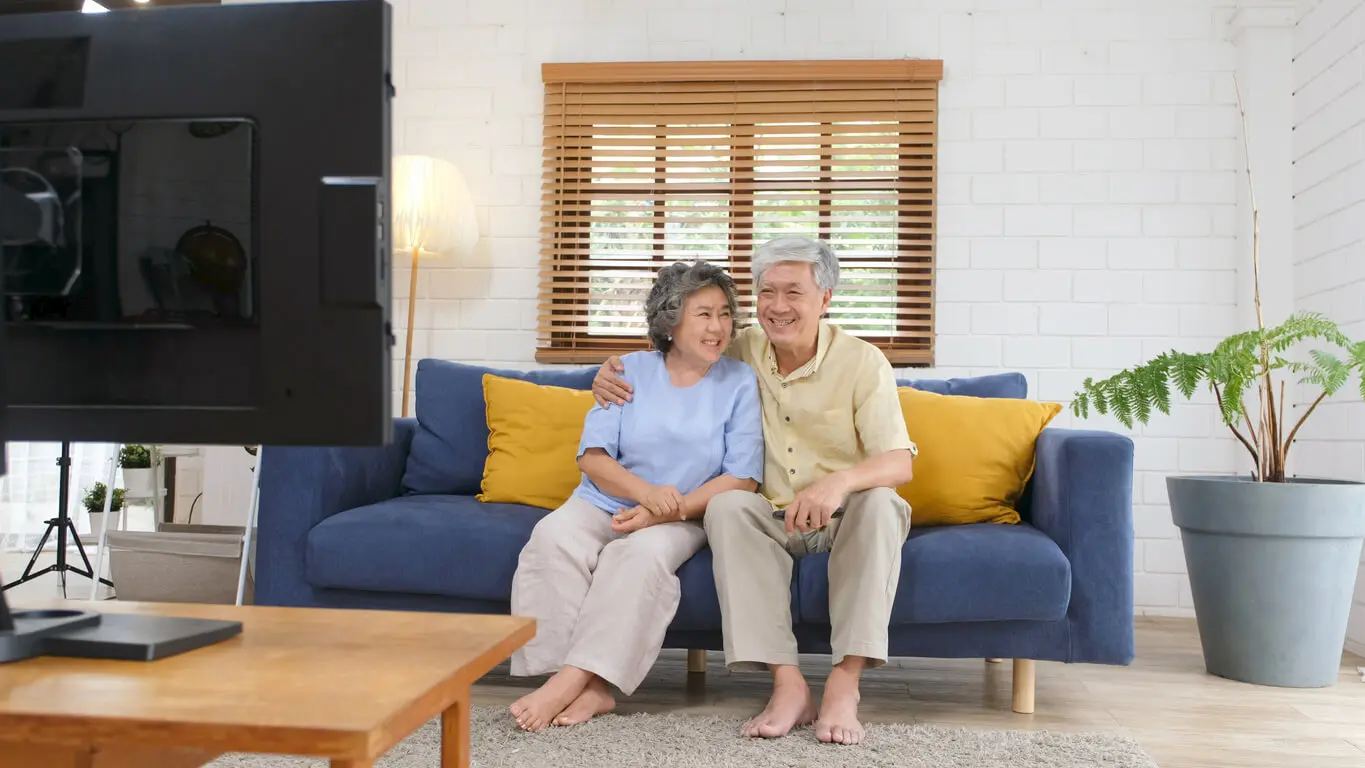
For homeowners exploring these considerations, Sea Pointe’s aging-in-place and universal design resources offer helpful guidance on incorporating accessibility without compromising aesthetics.
Great Room and Kitchen Expansions
Opening walls between kitchens and family rooms creates great room concepts that match how Mission Viejo families actually live. Bumping out exterior walls adds space for islands or dining areas without full-scale additions. Indoor-outdoor connections take advantage of Southern California’s year-round outdoor living opportunities.
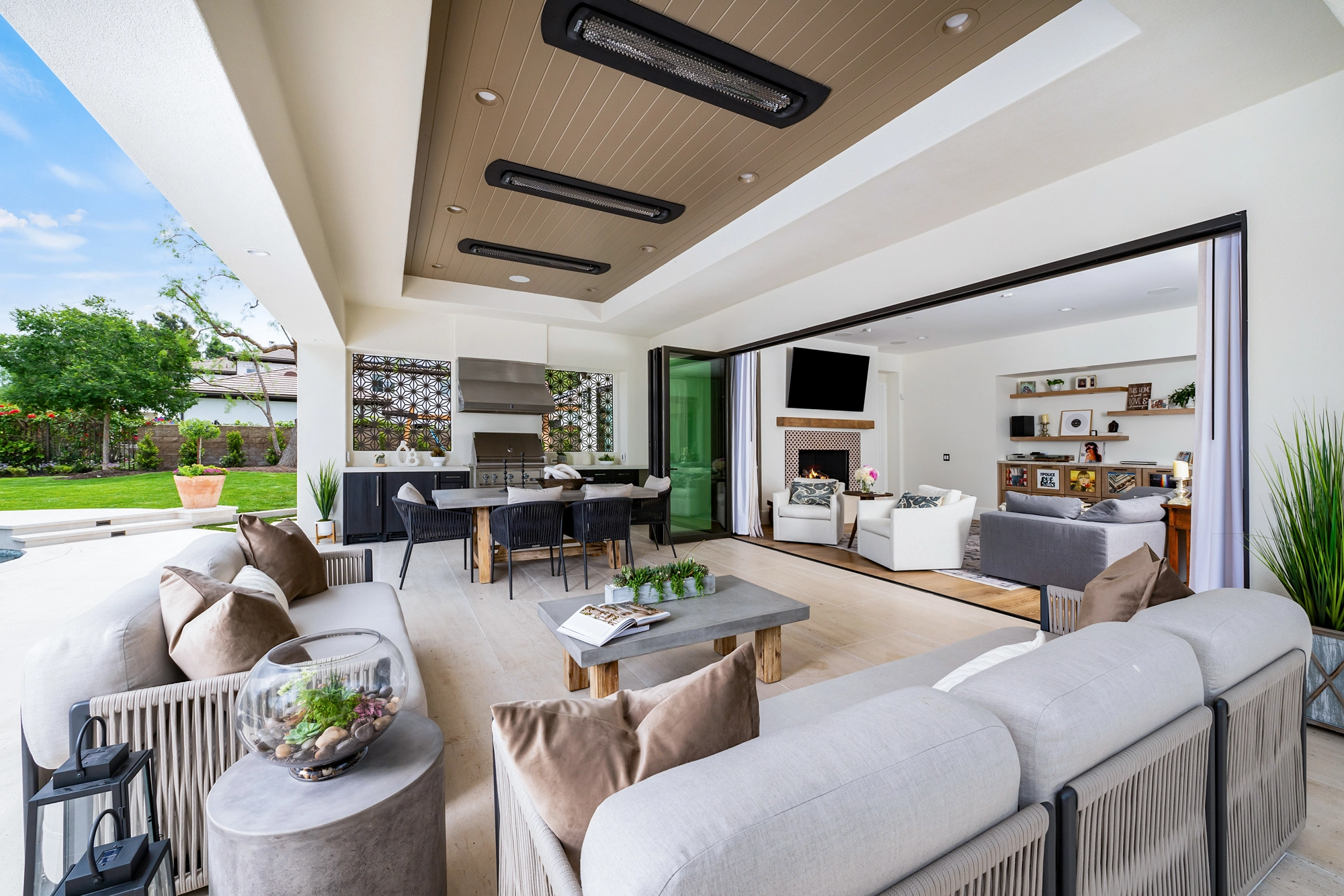
Structural requirements shape what’s possible when removing walls. Load-bearing considerations, foundation capabilities, and existing framing all affect layout options. Understanding these constraints during design prevents discovering limitations mid-construction.
Second-Story Additions
Some Mission Viejo properties have compact lots that make second-story additions practical solutions for gaining significant space without losing yard area. These projects require foundation and structural evaluation to confirm existing construction can support additional weight.
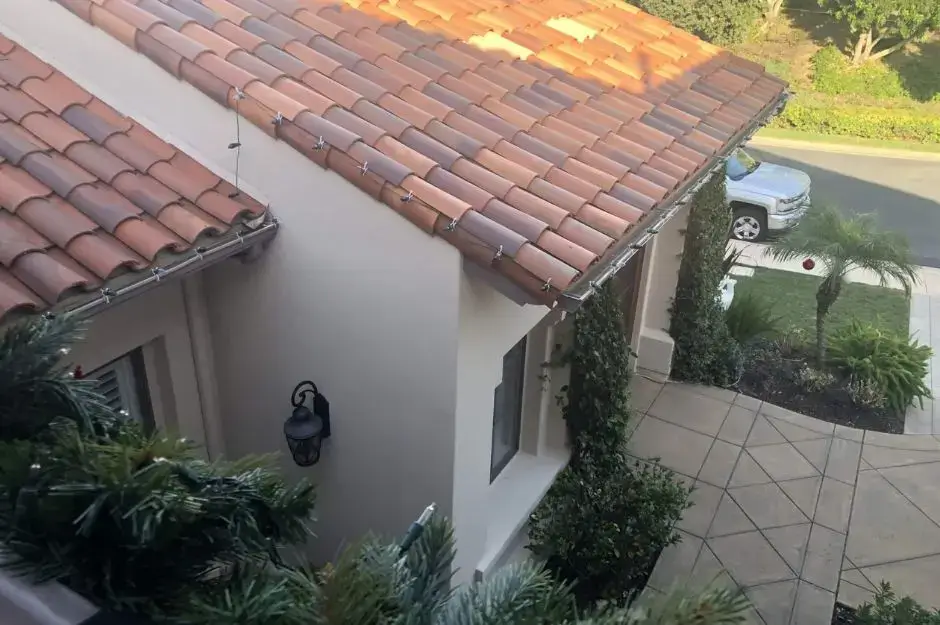
Engineering requirements and costs run higher than ground-floor additions but often represent the only way to add substantial square footage. Increased natural light and better air circulation make second stories attractive despite complexity. However, design review typically evaluates these additions more closely to ensure roofline compatibility and minimize visual impact on neighboring properties.
Material Selection for Mission Viejo Additions
Exterior materials must match existing homes and satisfy community design standards. Roofing materials follow the Spanish mission tradition, typically using clay or concrete tiles in terracotta tones. Stucco finishes maintain architectural consistency while offering durability appropriate for Southern California conditions.
Windows and doors need to match existing style, with arched configurations common in Mission Viejo’s architectural vocabulary. Interior finishes should maintain quality levels appropriate for your home while serving practical needs.
Sea Pointe’s Irvine showroom provides a setting to evaluate material options, compare finishes, and make confident selections for elements you’ll live with for years. Seeing actual samples of tile, cabinetry, fixtures, and finishes helps clarify decisions that photographs can’t fully convey.
How Sea Pointe Approaches Mission Viejo Room Additions
Every addition begins by understanding how you want to use added space and evaluating your existing home’s architecture. Your budget framework gets established upfront to keep planning realistic and prevent designing additions you can’t afford to build.

A design-remodel approach ensures seamless home integration, starting with a thorough site evaluation. This initial assessment identifies specific property constraints, including setbacks, the condition of the existing structure, and the surrounding neighborhood character, defining the scope of what is possible before design work commences.
Multiple layout options explore different approaches to your goals within identified constraints. Three-dimensional visualization shows how additions integrate with existing architecture before construction begins. Material selection accounts for both design review standards and how elements will perform over time.
Design review and permit coordination happen as part of integrated project management. Construction sequencing minimizes disruption while maintaining quality standards. Regular communication keeps you informed without requiring constant coordination between multiple parties.
Sea Pointe has received Best of Houzz Design and Service Awards for twelve consecutive years and was recognized as Best Kitchen/Bath Remodeling Specialist in Orange County Register’s Best of Orange County 2025. The firm has worked with Orange County homeowners since 1986, bringing familiarity with Mission Viejo’s specific design requirements and architectural character.
Starting Your Mission Viejo Room Addition
The conversation begins by understanding how you want your home to function, what feels limiting about its current configuration, and how an addition can resolve these issues while respecting Mission Viejo’s distinctive Spanish mission character.
When you’re ready to explore room addition possibilities for your Mission Viejo home, Sea Pointe’s team can help evaluate your property’s specific opportunities and constraints, translate your goals into designs that satisfy community standards, and coordinate the entire process from initial concept through final completion.
How does Design-Build work for Mission Viejo room additions?
Design-Build unifies your addition design and construction under one team rather than separating these functions. Your designer understands structural feasibility and design review standards before finalizing plans, so you know what’s approvable and buildable before committing.
Estimates reflect actual construction costs because the team pricing the project is the same team building it. You have a single coordination point rather than managing communication between architect, structural engineer, and contractor.
What makes Mission Viejo additions different from other communities?
Mission Viejo’s master-planned community structure includes design review processes that evaluate whether additions respect established Spanish mission architectural character. Rooflines, materials, and exterior details all face scrutiny to maintain neighborhood consistency.
These community-specific requirements create considerations that don’t exist in areas without design review. Design-Build teams with Mission Viejo experience navigate these requirements efficiently through familiarity with local review patterns.
How much does a room addition cost in Mission Viejo?
Home addition costs vary significantly based on size, complexity, and finish selections. Second-story additions cost more per square foot than ground-floor expansions due to structural reinforcement requirements, and primary suite additions with custom bathrooms cost more than simple room additions.
Design review compliance and material selections that match Mission Viejo’s architectural standards affect costs. Design-Build provides comprehensive pricing including permits and engineering rather than discovering these costs incrementally.
Will my Mission Viejo addition require design review approval?
Most additions that modify exterior appearance require design review to ensure compatibility with community architectural standards. The review process evaluates rooflines, materials, colors, and how the addition integrates with the existing home.
Design-Build teams familiar with Mission Viejo determine specific review requirements during initial evaluation and manage the approval process as part of integrated project oversight.
How long do Mission Viejo room additions take?
Project duration depends on scope and complexity. Design review processing adds time before construction can begin. Construction duration varies based on addition size and type.
Second-story additions typically require several months once construction begins. Ground-floor additions may complete faster depending on scope. Design-Build teams provide realistic timelines based on your specific project and approval requirements.