
Dana Point Room Addition Experts | Enhancing Your Coastal Home
When does adding space to your Dana Point home actually solve the problems you’re experiencing, rather than just creating more square footage? The answer lies in understanding how your household moves through daily life and what makes coastal living distinctive.
Maybe you’re carving out a dedicated home office that separates work from family time. Perhaps you’re opening up the kitchen and living room to match how your family actually gathers. Or you need a spare room that finally gives guests their own space instead of converting the dining room every holiday.
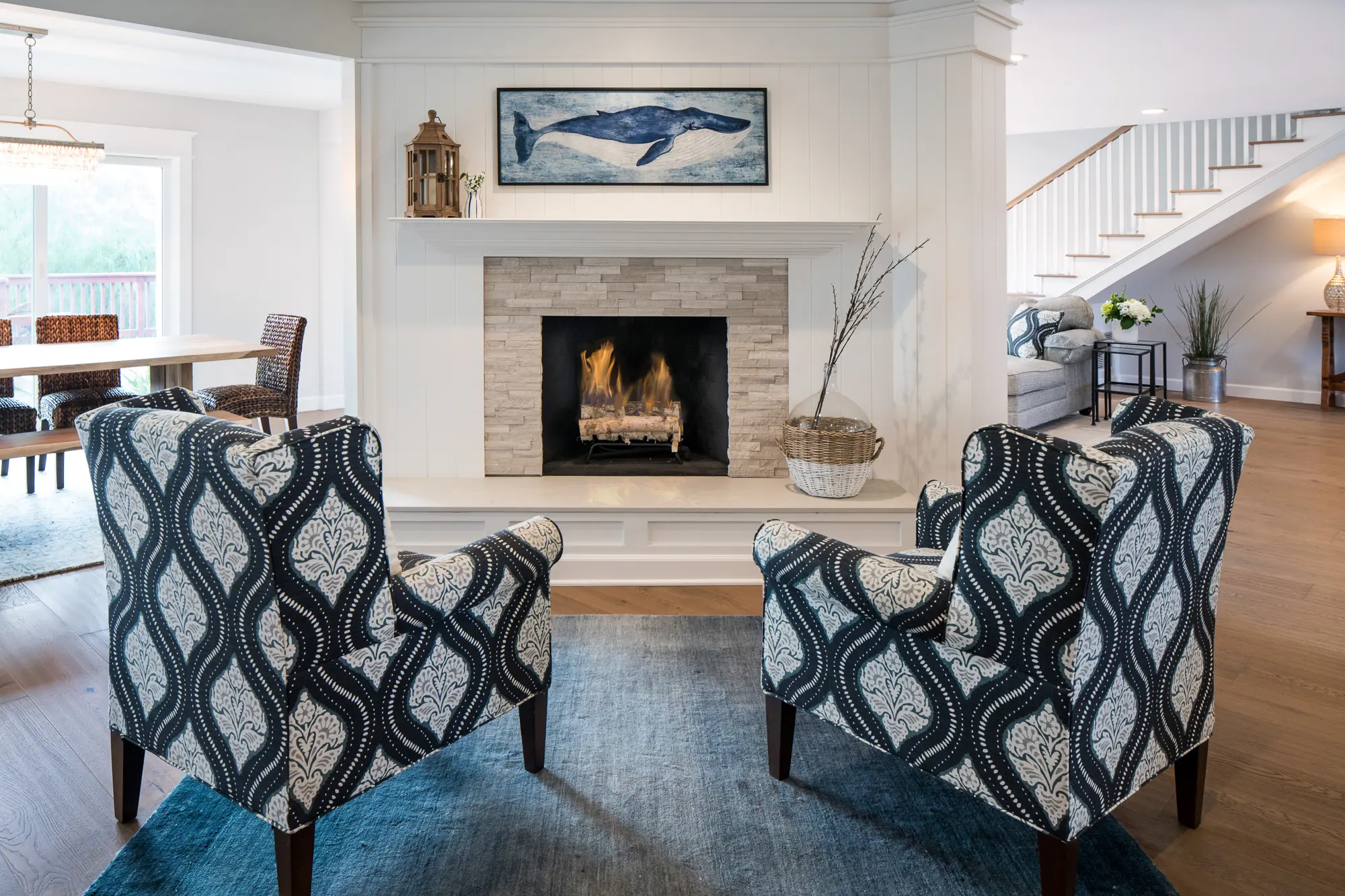
Finding the right addition involves more than deciding what you need. It’s about how new space integrates with your yard, how it complements your neighborhood’s character, and whether it enhances the coastal charm that drew you to Dana Point in the first place.
Even with a clear vision of what you want, translating that into buildable reality requires expertise.
Design-Build teams bring clarity to these decisions before construction begins, preventing mid-project surprises about foundation capacity, geotechnical requirements, or what coastal design standards will approve. This integrated approach keeps room addition planning grounded in what existing Dana Point homes can actually support.
What Makes Dana Point Room Additions Unique
Dana Point sits at the intersection of coastal environment and hillside topography, creating construction conditions that differ from flat beach communities or inland developments. Properties here face geotechnical considerations, salt air exposure, and architectural traditions that shape what room additions require.
Hillside lots demand foundation engineering that accounts for slope stability and drainage patterns. Beach-level homes need material selections resistant to direct ocean moisture and salt spray. Bluff properties require both geotechnical analysis and attention to how additions affect views from neighboring homes.
Beyond technical requirements, Dana Point’s coastal village character influences what additions can look like. Mediterranean revival details, California coastal styling, and contemporary beach architecture each carry distinct vocabularies. Successful additions respect these established patterns rather than introducing elements that feel imported from elsewhere.
‘The California Coastal Commission reviews projects in designated coastal zones to ensure construction protects environmental resources and public coastal access. Properties within these boundaries face additional approval processes that extend timelines and require specialized expertise to navigate efficiently.
Types of Room Additions That Work in Dana Point
Primary Suite Additions With Ocean Orientation
Primary suite additions in Dana Point often capitalize on ocean views and natural breezes that make coastal living distinctive. These projects typically incorporate bedroom, bathroom, and closet space in layouts designed to maximize water views while maintaining privacy from neighbors.
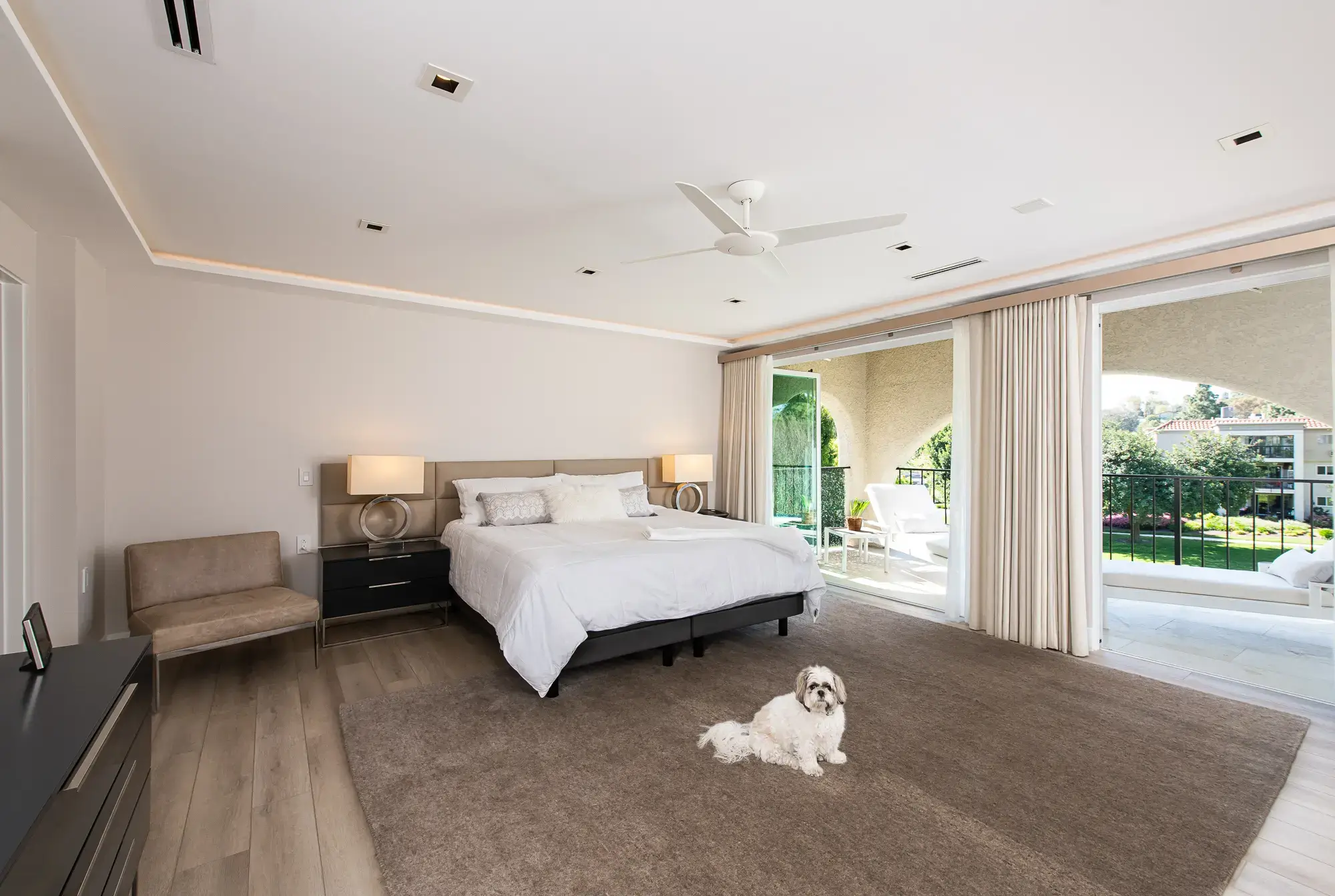
Floor-to-ceiling windows frame harbor vistas or ocean horizons. Direct access to private balconies or patios extends living space into Southern California’s temperate climate. Natural ventilation captures coastal breezes that reduce cooling costs and create the indoor-outdoor connection that defines beach living.
The most effective additions and whole home remodels consider how morning light enters the space, whether ocean views remain accessible from bed, and how the suite connects to the rest of the home without creating awkward circulation patterns.
Great Room Expansions for Harbor Views
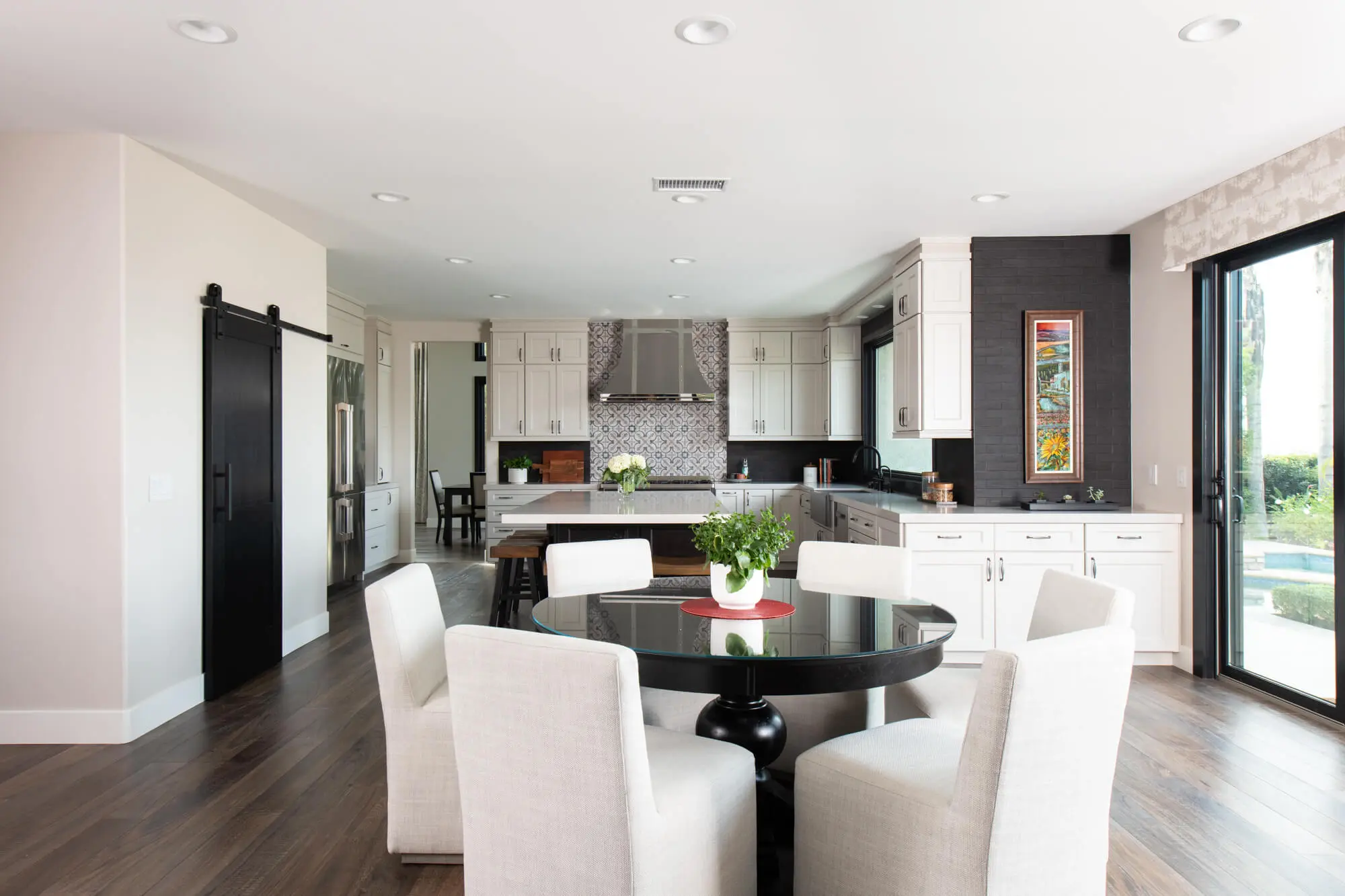
Opening walls between kitchens and living areas creates great room concepts that accommodate how families actually gather. In Dana Point, these expansions often orient toward harbor or ocean views, using large glass expanses to dissolve boundaries between interior and exterior.
Structural requirements shape what’s possible when removing walls. Load-bearing considerations, roof support systems, and foundation capacity all influence which walls can be eliminated. Understanding these constraints during design prevents discovering limitations after demolition begins.
The best great room expansions address workflow alongside adding square footage. Kitchen layouts that accommodate multiple cooks, island seating that supports casual dining, and storage that keeps surfaces clear all contribute to spaces that function well rather than simply looking impressive.
Home Office Additions With Professional Separation
Remote work arrangements make dedicated office space valuable for Dana Point professionals. Converting spare bedrooms creates conflicts when those rooms need to serve multiple purposes. Purpose-built office additions provide soundproofing, separation from household activity, and professional environments suitable for client-facing video calls.

Coastal locations offer unique advantages for home offices. Ocean views create calming work environments. Natural light reduces eye strain during long screen hours. Fresh air ventilation improves alertness compared to recirculated air conditioning.
Flexible design allows offices to transition into guest suites, hobby studios, or expanded bedrooms as needs evolve. Incorporating closets, dedicated bathroom access, and layouts that adapt without major renovation protects long-term value.
For homeowners planning for future needs, Sea Pointe’s aging-in-place and universal design resources explain how to incorporate accessibility features that serve all life stages without institutional aesthetics.
Multigenerational Quarters for Extended Family
California’s housing costs drive increased interest in multigenerational households. Creating comfortable living situations for aging parents or adult children requires more than adding a bedroom. These additions need kitchenettes for meal independence, private bathrooms for routine autonomy, and separate entrances that respect privacy.
Unlike detached accessory dwelling units, attached quarters connect directly to the main home. This proximity allows family interaction while dedicated spaces preserve independence. Features like connecting doors that lock from both sides, soundproofing between living areas, and thoughtfully placed windows maintain comfortable boundaries.
Dana Point’s hillside lots sometimes allow lower-level additions that provide privacy while maintaining family connection. These configurations work particularly well for aging parents who want independence without complete separation from family.
Second-Story Construction for View Maximization
Compact coastal lots often make vertical expansion more practical than horizontal additions. Second-story construction maximizes ocean and harbor views while preserving yard space that defines California outdoor living.
These projects involve engineering complexity beyond ground-floor additions. Existing foundations require evaluation to confirm they can support additional structural load. Hillside properties need geotechnical assessment to evaluate soil stability under increased weight.
Second-story additions affect neighbors differently than ground-level construction. Views, sunlight access, and perceived privacy all change when buildings gain height. Dana Point review processes evaluate these impacts carefully, sometimes requiring design modifications to address neighbor concerns.
Despite complexity, second-story additions deliver substantial benefits. Upper levels capture superior ocean views and coastal breezes. Bedrooms separated vertically from living areas provide acoustic separation impossible in single-story layouts. For families unwilling to sacrifice outdoor space, vertical expansion often represents the only path to gaining needed room.
Matching Dana Point’s Coastal Village Character
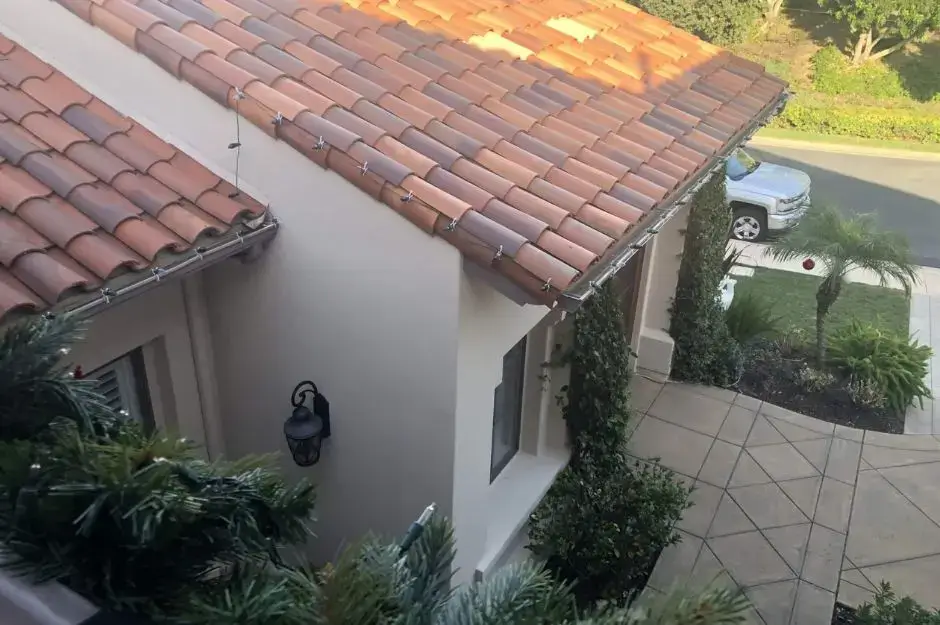
Successful additions match the original home’s architectural style so completely that neighbors assume they were always part of the design. Dana Point’s Mediterranean revival heritage, with its stucco walls, clay tile roofs, and arched details, requires specific attention to materials and proportions.
Key elements that create seamless integration:
- Roofline continuity – Additions that interrupt the original roof’s flow or create awkward valleys where water pools cause both aesthetic and functional problems. Professional designers study existing roof geometry, creating additions that extend naturally from current structures.
- Window proportions – If the original home features tall, arched windows, standard rectangular windows in the addition immediately signal the space was added later. Matching muntins, trim profiles, and glass-to-frame ratios helps new construction blend seamlessly.
- Material coordination – Color coordination extends beyond simply matching paint. Stucco textures, tile tones, and wood finishes all need careful selection to create visual unity rather than obvious boundaries between original and new construction.
Getting the Best Materials For Your Home Addition
Dana Point’s oceanfront location demands materials chosen for long-term performance in challenging conditions. Salt-laden air accelerates corrosion of metal components. Moisture affects wood stability. Intense sun exposure fades faster than inland areas experience.
The Design-Build Advantage for Room Additions
Finding out that a stunning layout doesn’t accommodate construction needs can quickly bring a project to a screeching halt. For room addition projects, the integration with design and remodeling under one team avoids common frustrations.
Sea Pointe Design & Remodel has earned Best of Houzz Design and Service Awards for twelve consecutive years, recognition reflecting sustained excellence in the integrated Design-Build approach. The firm’s selection as Best Kitchen/Bath Remodeling Specialist in the 2025 Best of Orange County awards demonstrates how this methodology delivers value.
Exploring Your Dana Point Room Addition
When you’re ready to explore room addition possibilities for your Dana Point home, Sea Pointe’s team can evaluate your property’s specific opportunities and constraints, translate your goals into designs that satisfy coastal requirements, and coordinate the entire process from initial concept through final completion.
How much do Dana Point room additions cost?
Room addition costs vary significantly based on size, complexity, hillside versus beach-level location, and finish quality. Second-story additions cost more per square foot than ground-floor expansions due to foundation reinforcement requirements. Hillside properties may require geotechnical work and specialized foundation techniques.
Design and remodel services provide comprehensive pricing including design, materials, engineering, and project management rather than discovering these costs incrementally.
Do Dana Point room additions require Coastal Commission approval?
Properties within the California Coastal Zone require Coastal Commission review for additions. The coastal zone boundary varies throughout Dana Point. Design-Build teams familiar with coastal construction determine whether your property requires Coastal Commission approval during initial evaluation, preventing delays from discovering this requirement after design development.
How long do Dana Point room additions take?
Project duration depends on scope, complexity, and whether Coastal Commission permits apply. Coastal permits typically take longer to process than standard building permits. Construction duration varies based on your addition size, type, and site conditions.
Hillside projects may require longer timelines to accommodate geotechnical work. Design-Build teams provide realistic schedules based on your specific project and approval requirements.
What makes Dana Point additions different from other coastal communities?
Dana Point’s combination of hillside topography, harbor orientation, and Spanish village architectural character creates unique considerations. Properties here face varied site conditions from bluff edges to beach level to steep hillsides.
The community’s architectural heritage requires additions that respect Mediterranean revival and coastal village styling. These factors require expertise specific to Dana Point additions rather than general coastal construction knowledge.